Category Archives: CSA

Germination 2015

We’ve been back on the Farm since mid-March, getting things started for the year …

cleaning out the chimney cap


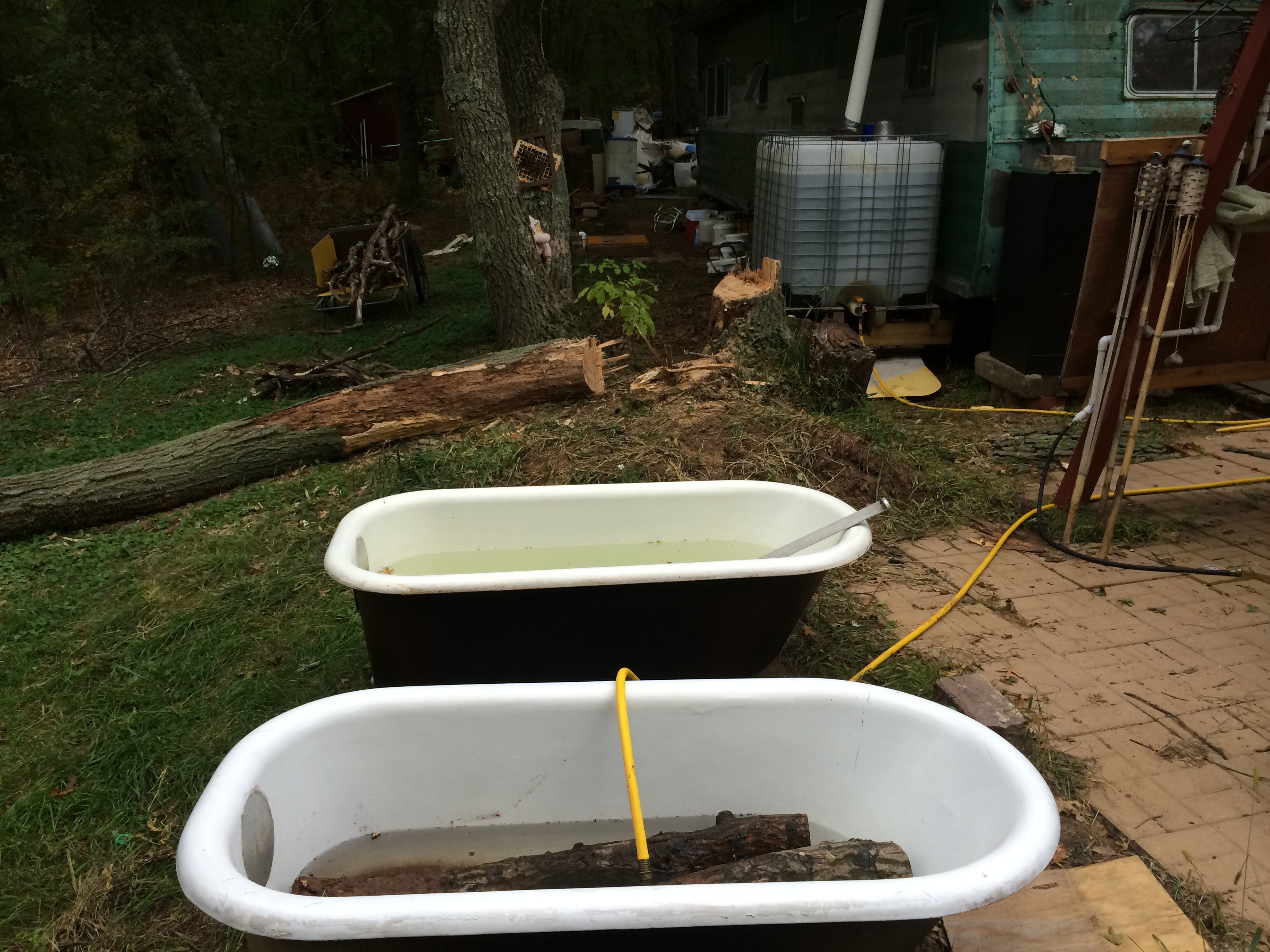
It’s been a month of preparation: hooking the solar power and rainwater collection systems back up, moving and fixing up the new guesthouse (a ’58 mobile home we got free on Craigslist), getting a new flock of laying hens,  upgrading the nest boxes, turning dead trees into firewood, setting up fences, planning upgrades to the rainwater system, paying taxes, layering the hugelkultur mound, preparing for the coming 70×30′ high tunnel, and, of course, soaking in the hillbilly hot tubs.
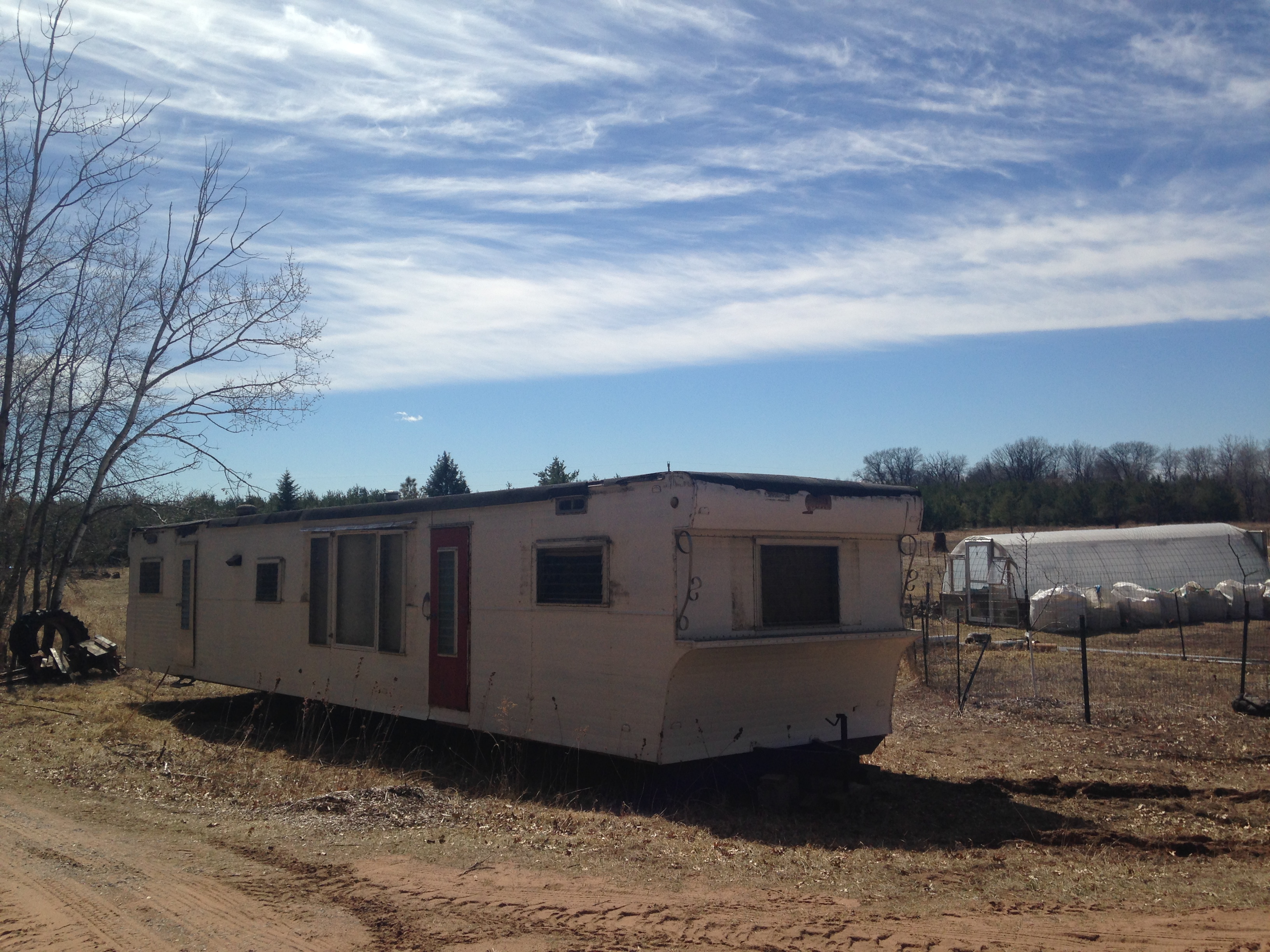

the 1958 Gilder Albatross - our new guest cabin
the 1958 Glider Albatross – our new guest cabin

IMG_7505

old tractor tires & former tabletop repurposed as front steps
old tractor tires & former tabletop repurposed as front steps on the Albatross


IMG_1106

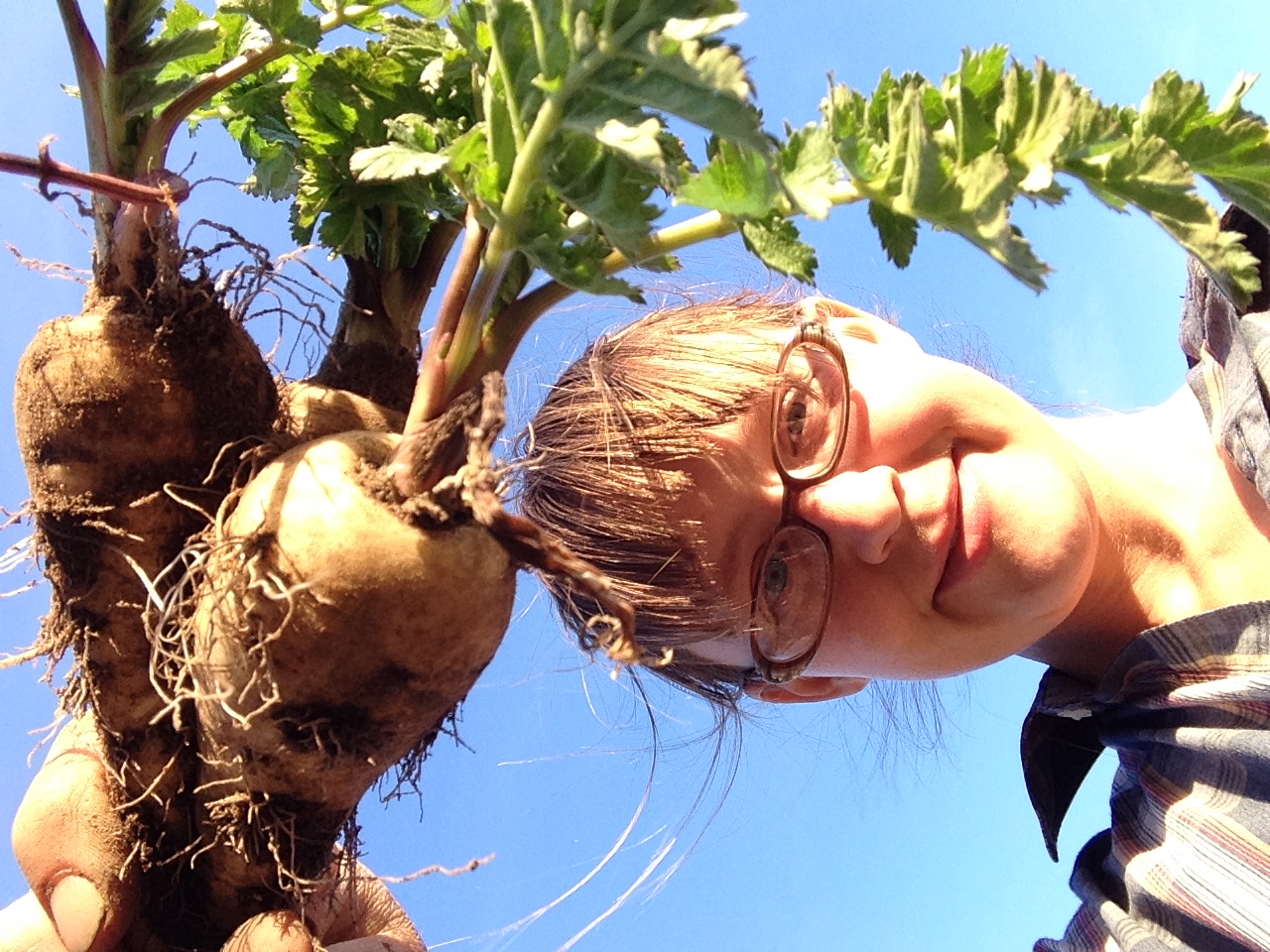
harvesting dinner from the field - parsnips that survived the winter
harvesting dinner from the field – parsnips that survived the winter


Gabe Sehr: Rhizome Hunter of the Hugelkultur, Destroyer of Crab Grass


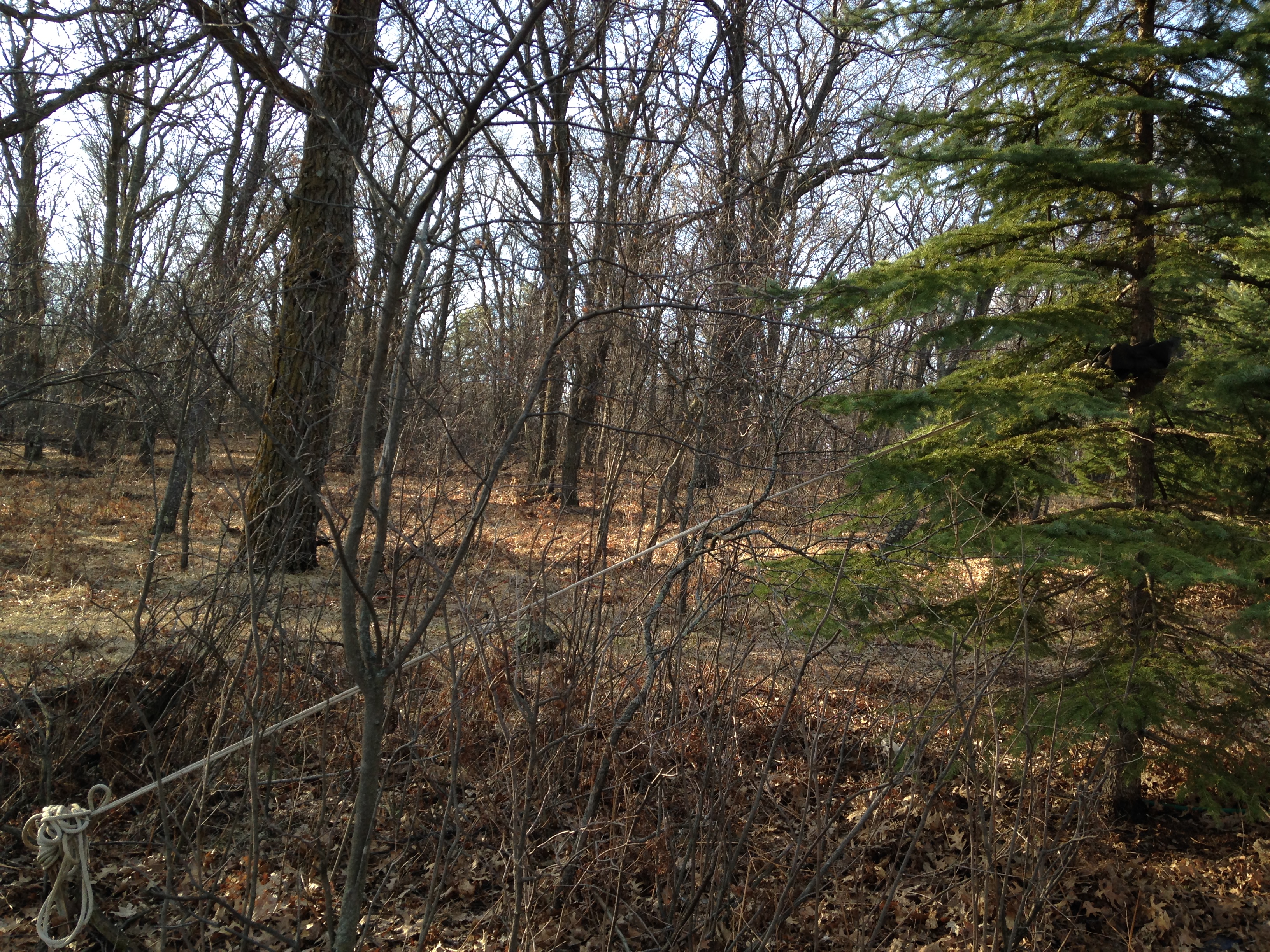
this pine tree blew partway over in a spring windstorm - we made a sling from an old tractor tire tube and anchored it back upright to reroot
this pine tree blew partway over in a spring windstorm – we made a sling from an old tractor tire tube and anchored it back upright to re-root


we got ten 2-year old hens; they provide about 7 jumbo-sized eggs a day
the hens run toward the axe on our farm - because it means we're breaking some carpenter ant treats out of a log
the hens run toward the axe on our farm – because it means we’re breaking some carpenter ant treats out of a log


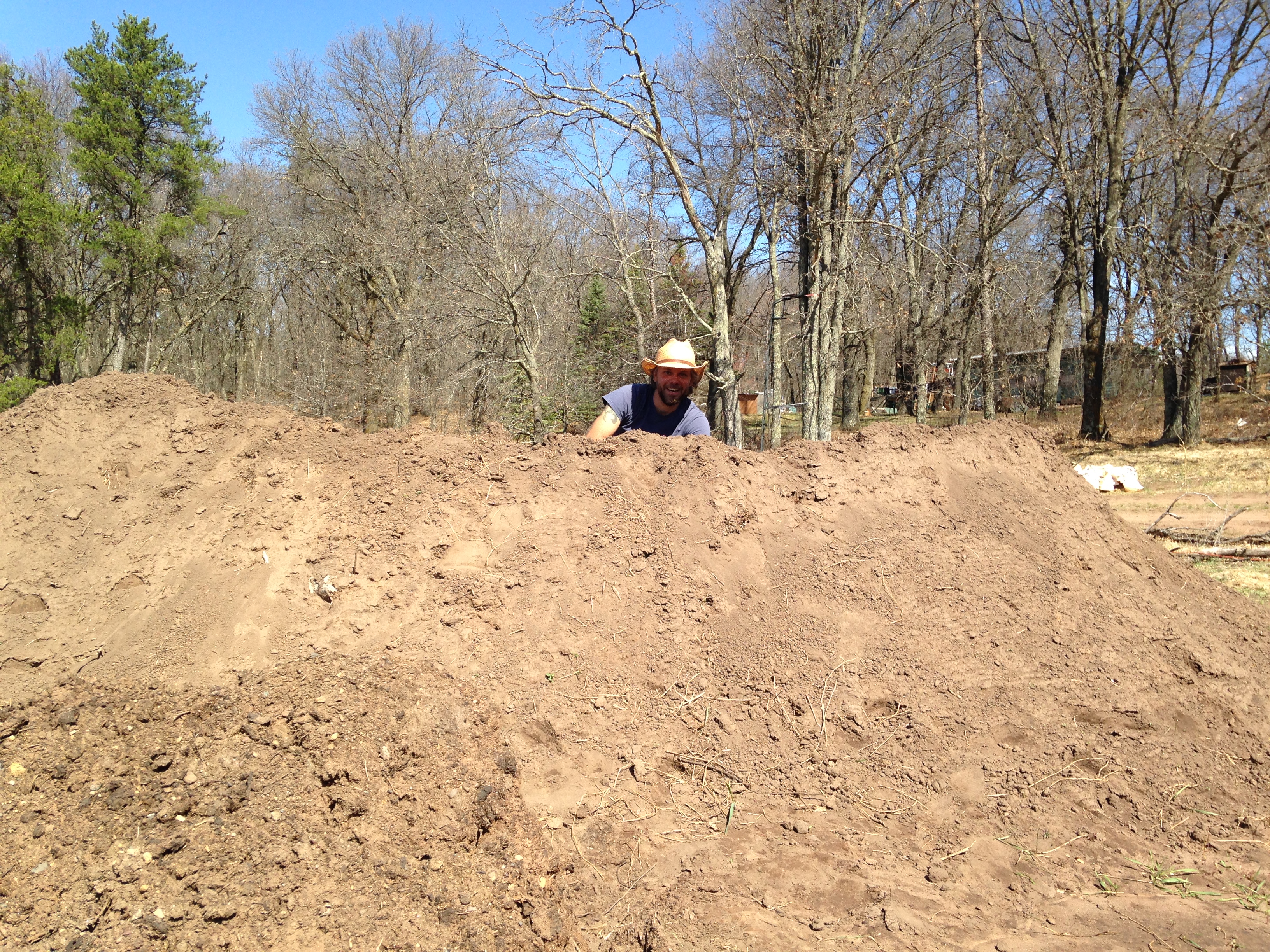
Neighbor Dave doing some tractormancy on a pile of aged horse manure, to prepare the soil for the new high tunnel greenhouse


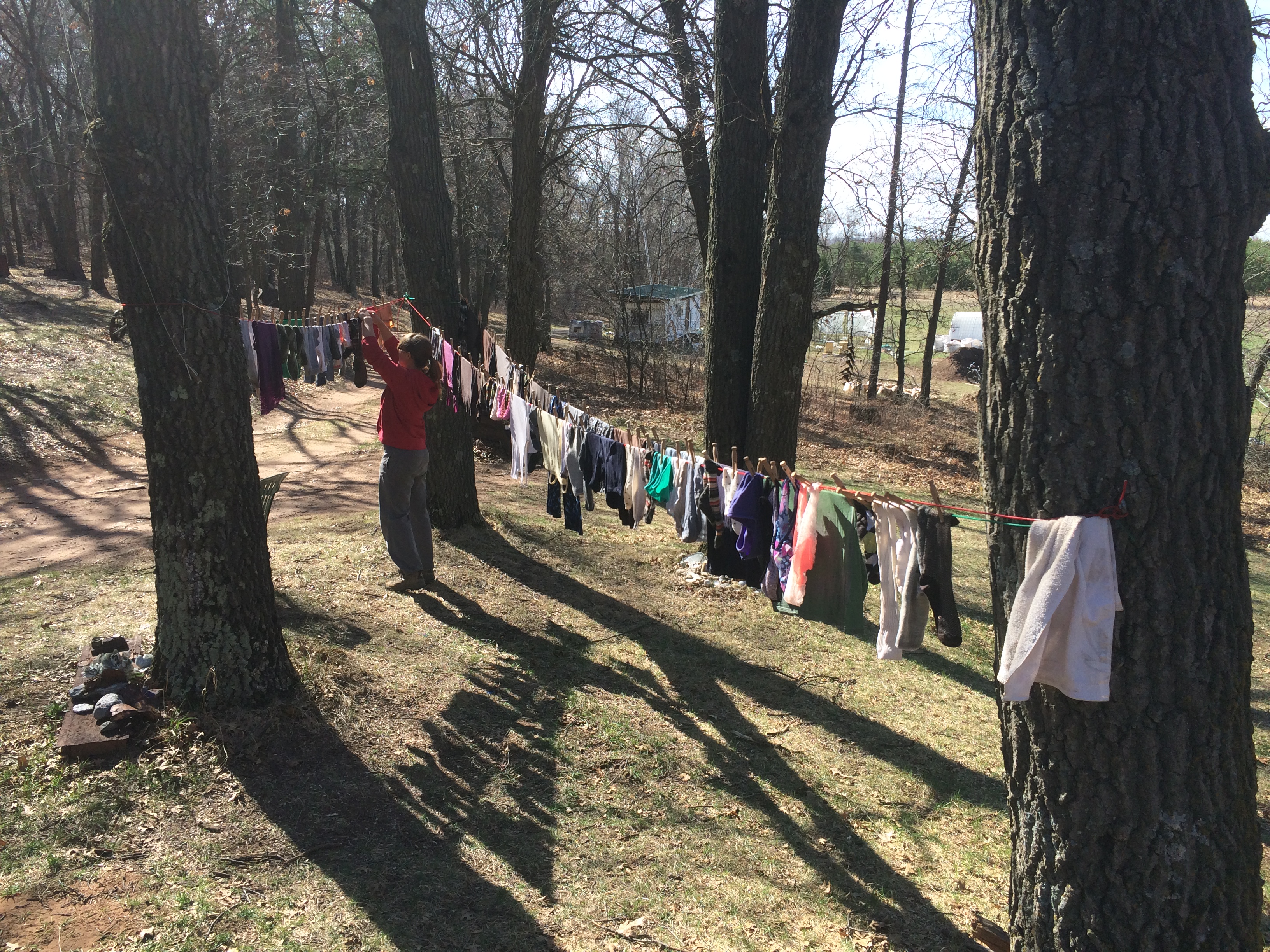
handwashing and line drying; not too bad, but the wringing part is a pain.


Cleo may be almost 15 & a bit limpy, but she still loves life on the farm
"Science," the free deeeep freezer we got on Craigslist to use as our fridge (in conjunction w/ the buried chest freezer pseudo-root cellar) - it once went down to 120 below. The alarm still works.
“Science,” the free deeeep freezer we got on Craigslist to use as our fridge (in conjunction w/ the buried chest freezer pseudo-root cellar) – it once went down to 120 below. The alarm still works.


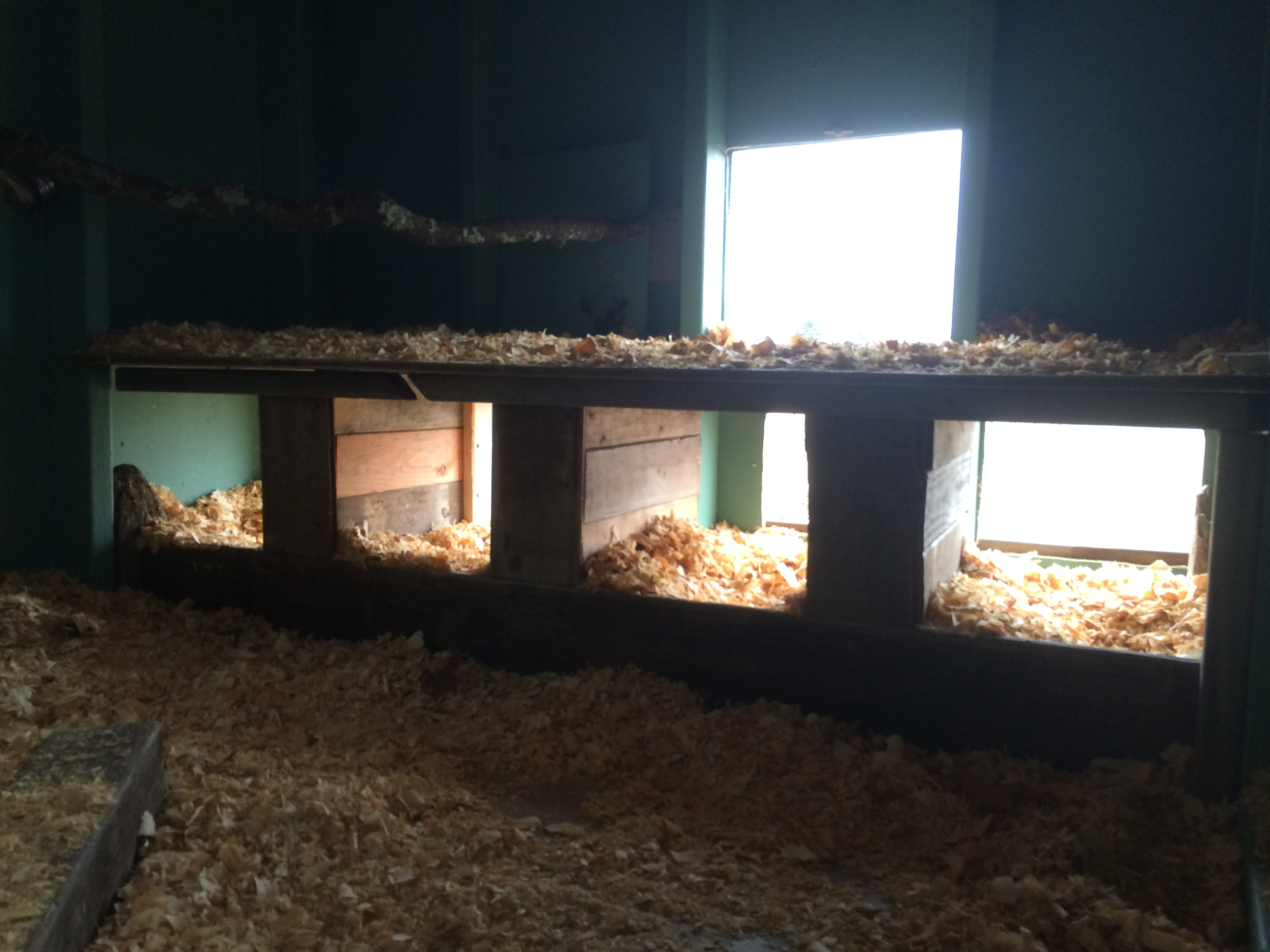
new nesting boxes from inside the coop


the Albatross came with some weird plastic cabinet things; we used their sliding doors for eas,y egg-gathering from outside, with the female edge of cheap pine paneling as the tracks


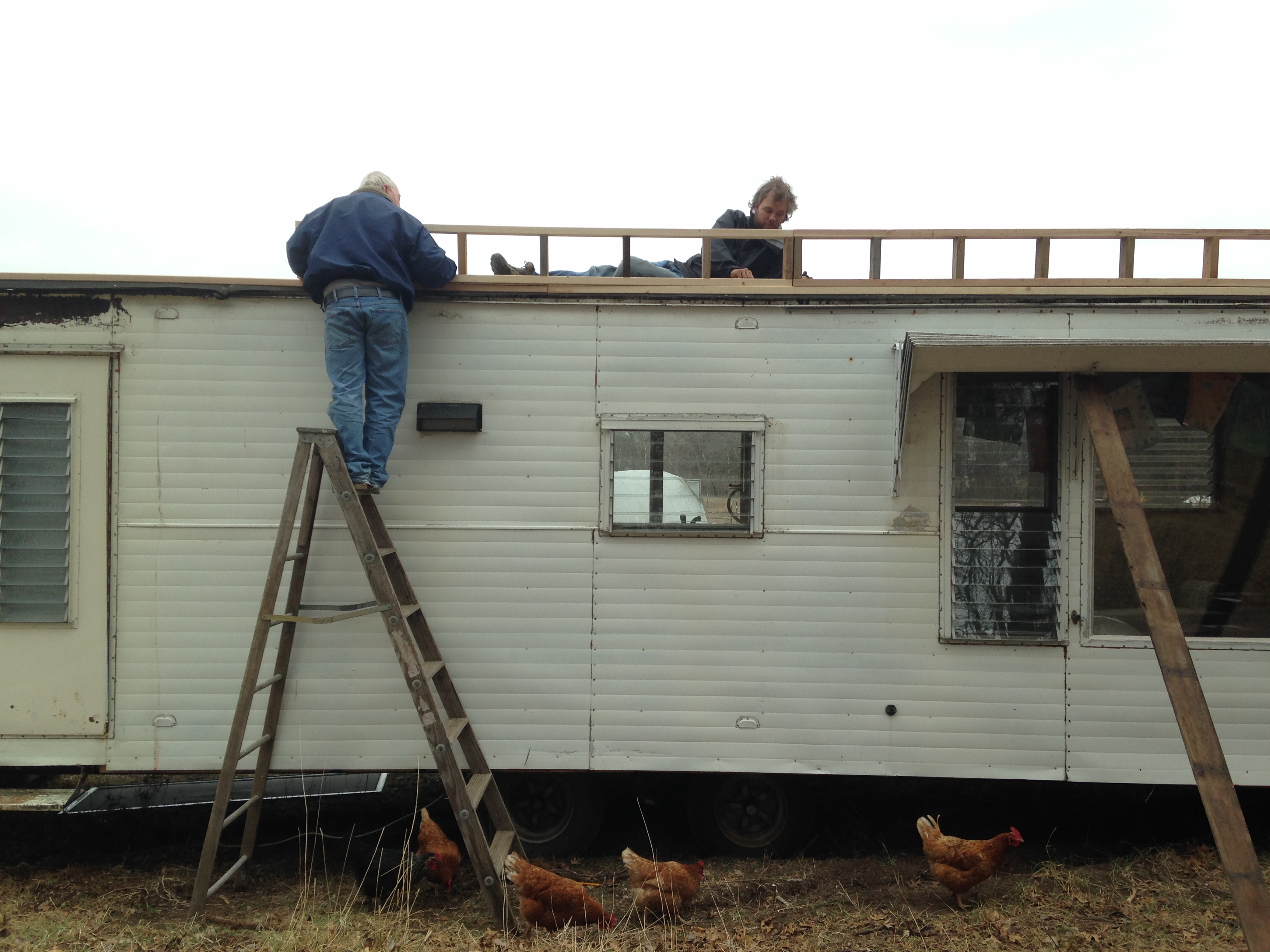
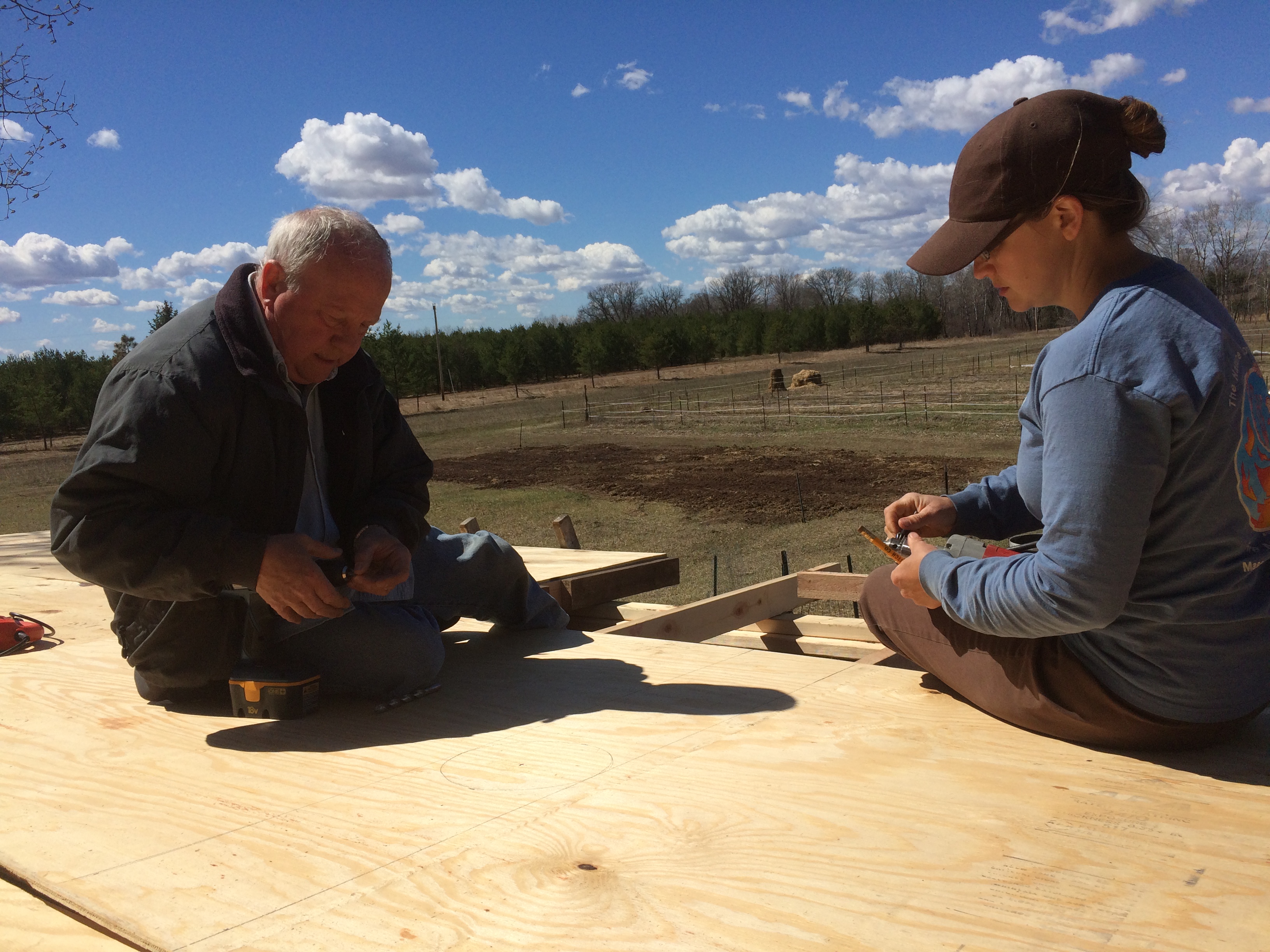
Foreman Jim and Kristin starting work on the new waterproof Albatross roof


the hens, minus Broody McBrooderson who hangs out alone on her own perch, off camera
chickens considering free-ranging right up the ladder with Jim


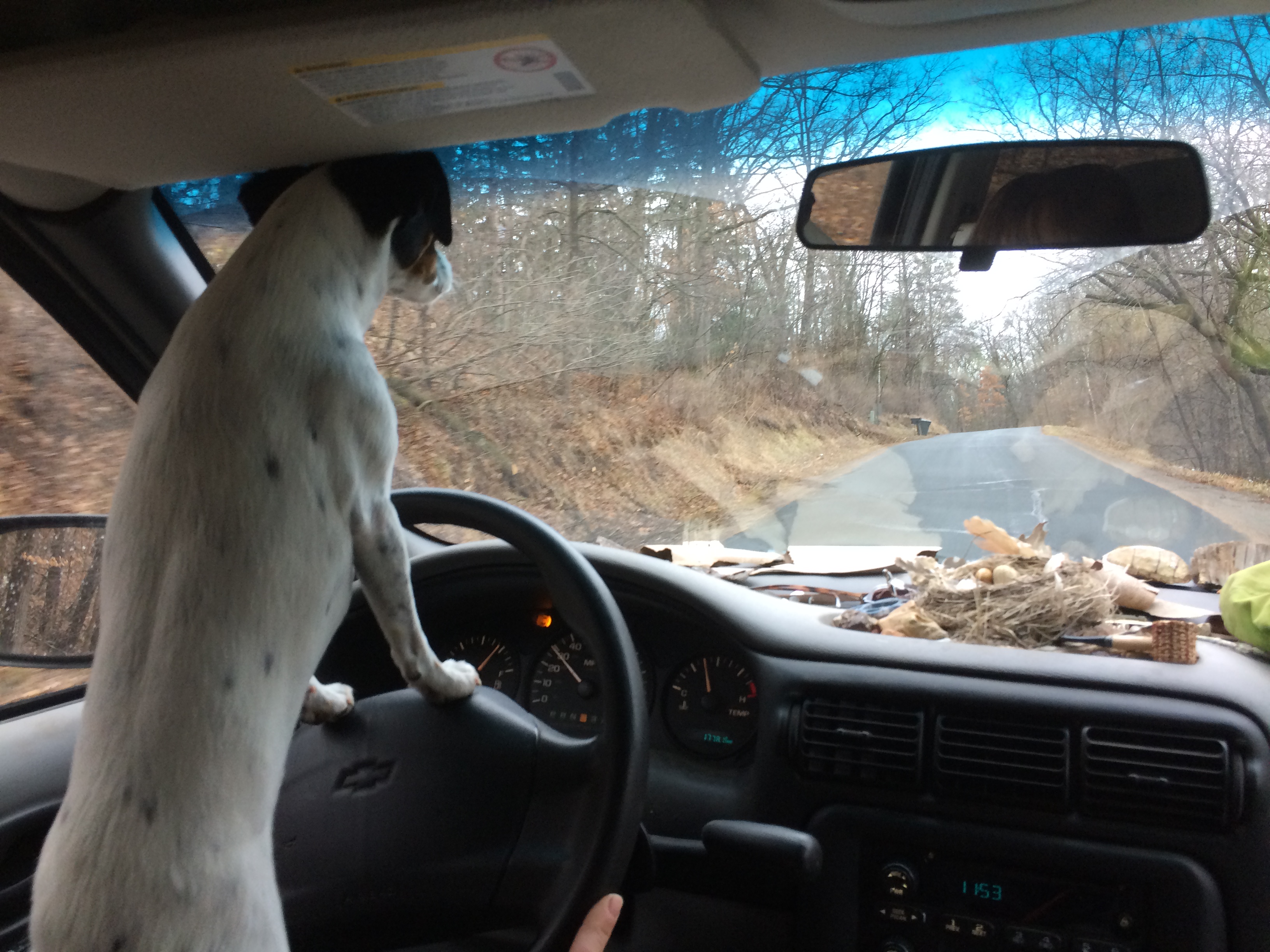
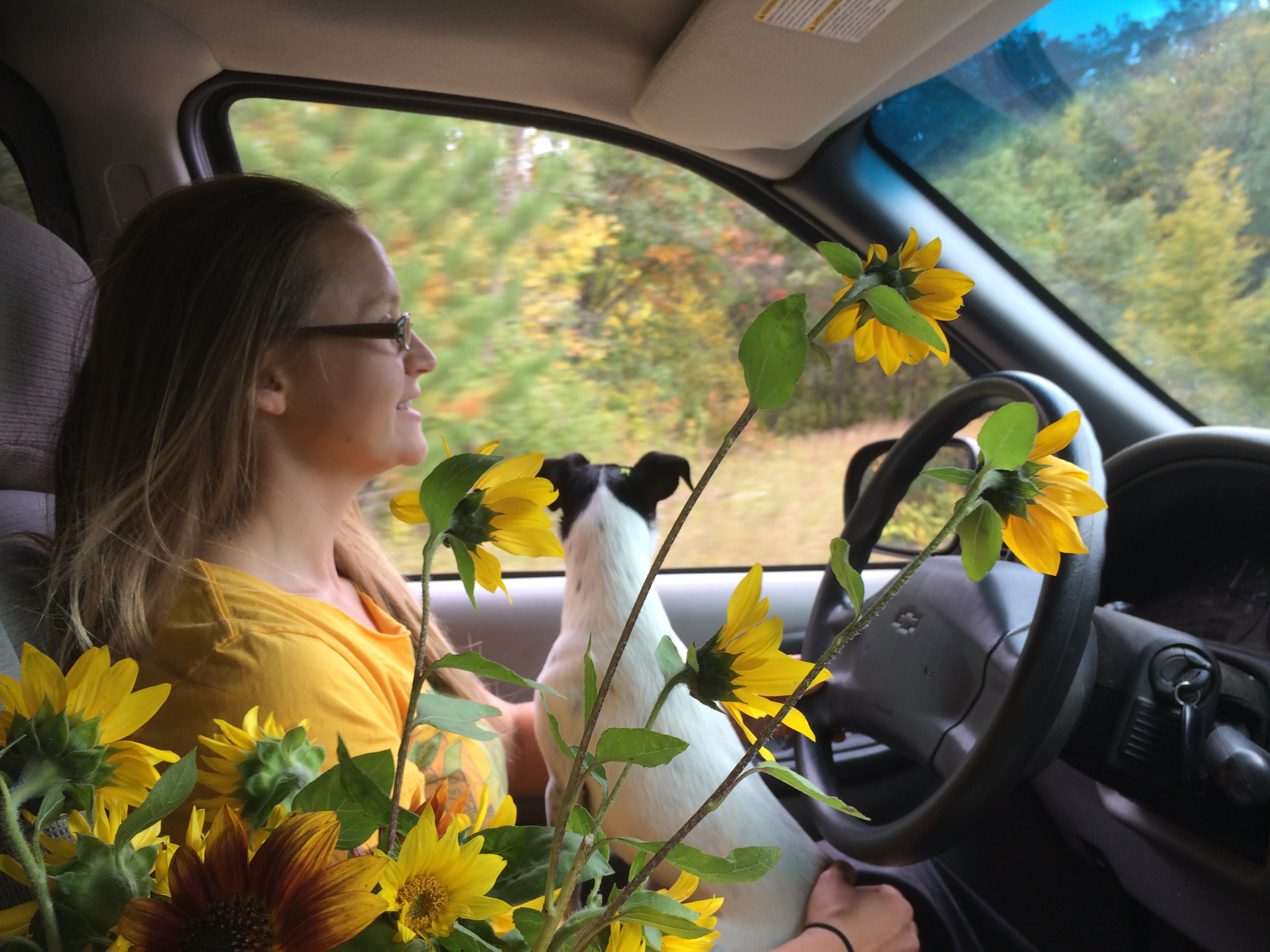
Widget knows the River Road well enough by this point


suspected double-yolker, and the biggest egg we've ever seen. Scientists theorize this was the consequence of Broody McBrooderson eating a bunch of venison sausage.
suspected double-yolker, and the biggest egg we’ve ever seen. Scientists theorize this was the consequence of Broody McBrooderson eating a bunch of venison sausage.


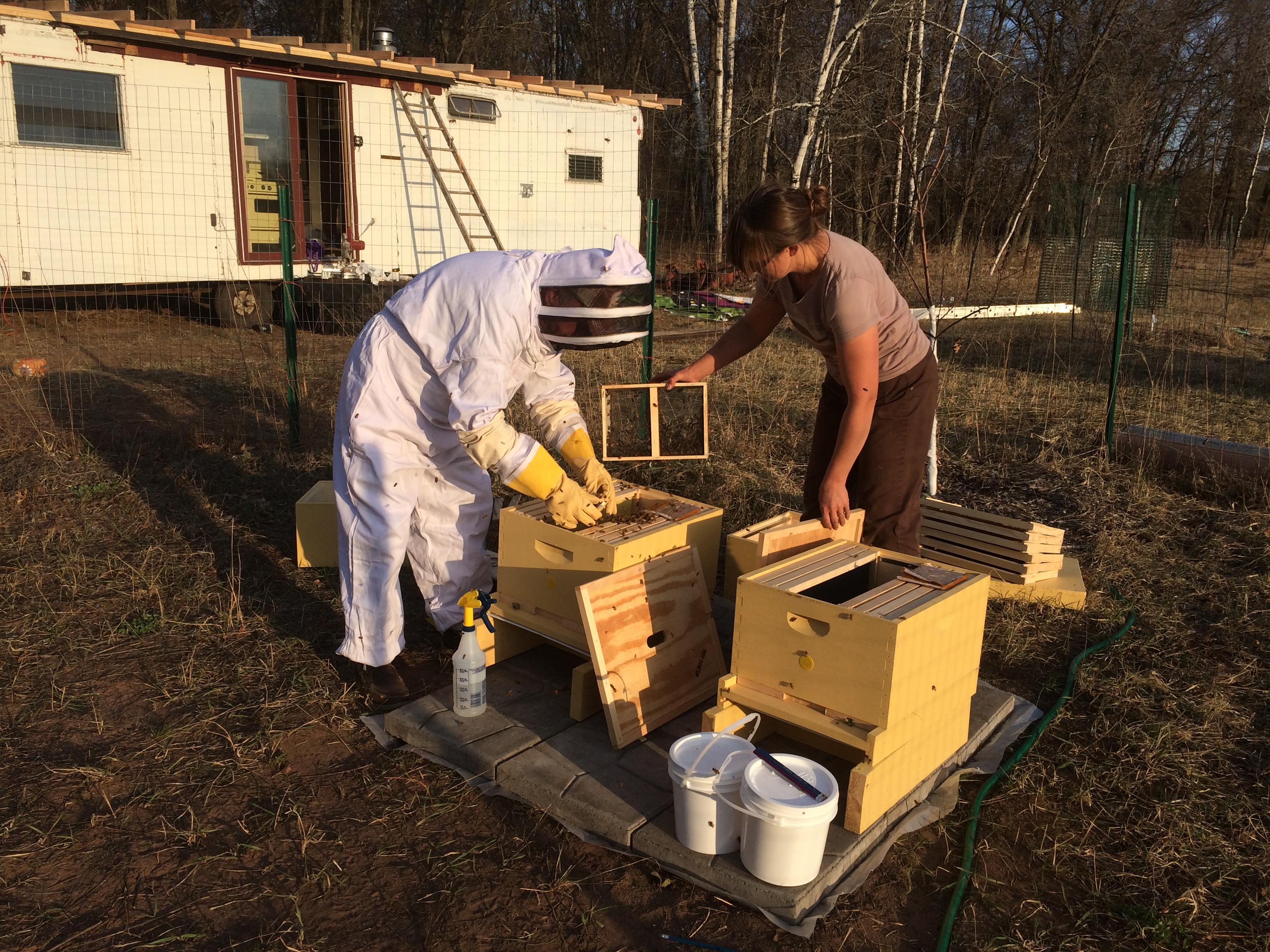
We got Jim some bee-keeping gear for Christmas, and he took a class ... next thing you know, he's in a bee suit, you're helping dump a hive of bees into a box, and everyone is getting stung. Except for the man in the suit of course ...
We got Jim some bee-keeping gear for Christmas, and he took a class … next thing you know, he’s in a bee suit, you’re helping dump a hive of bees into a box, and everyone is getting stung. Except for the man in the suit of course …


up on the new roof
Jim & Kristin up on the new roof
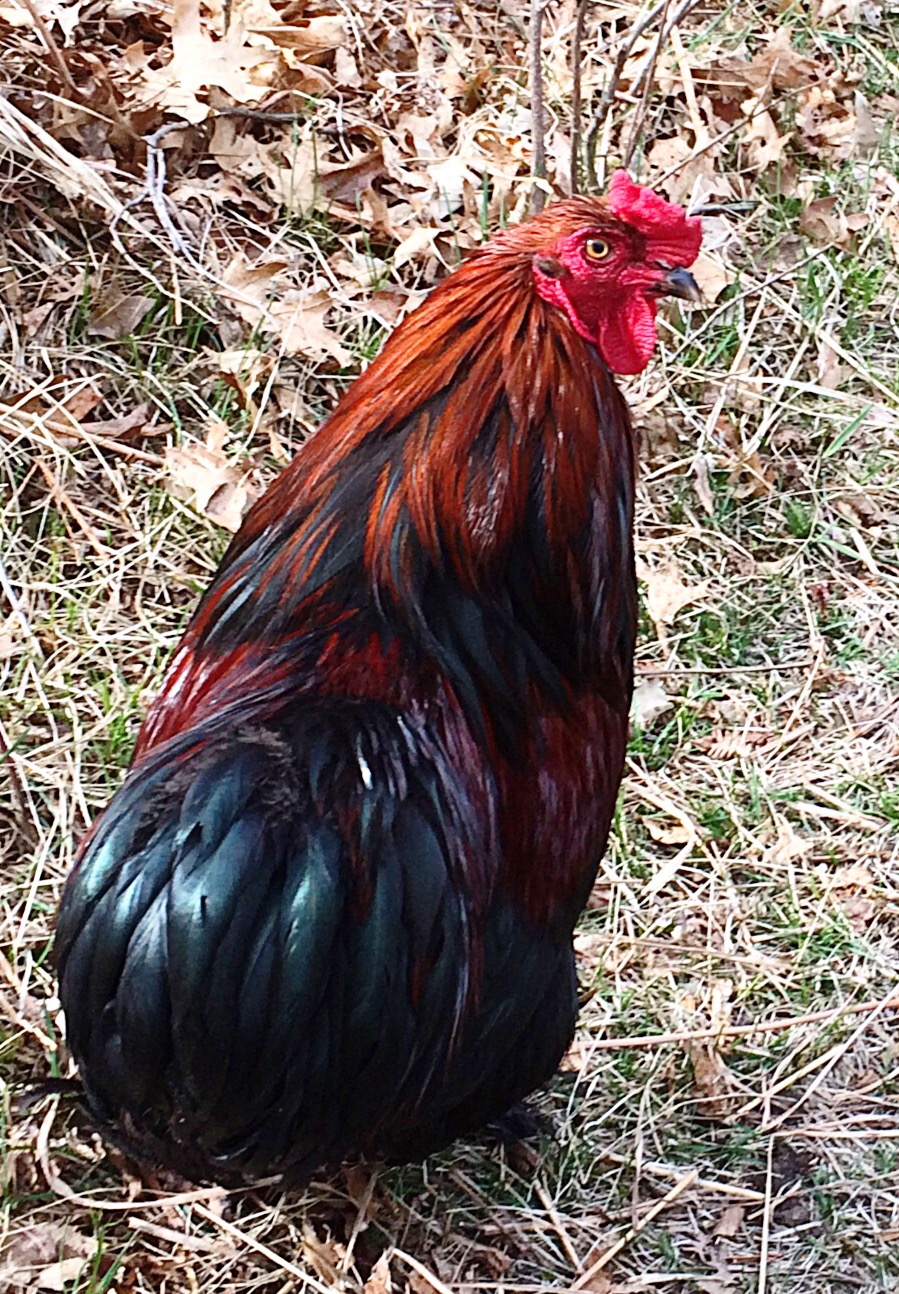
Pepe, our new rooster - he's in heaven here
Pepe, our new rooster – he’s in heaven here


But primarily, it’s been all about the seeds. This is our first year starting seedlings off grid, without either the electricity to run banks of lights or the controlled heat of a modern home – so we’ve had to do some improvising.
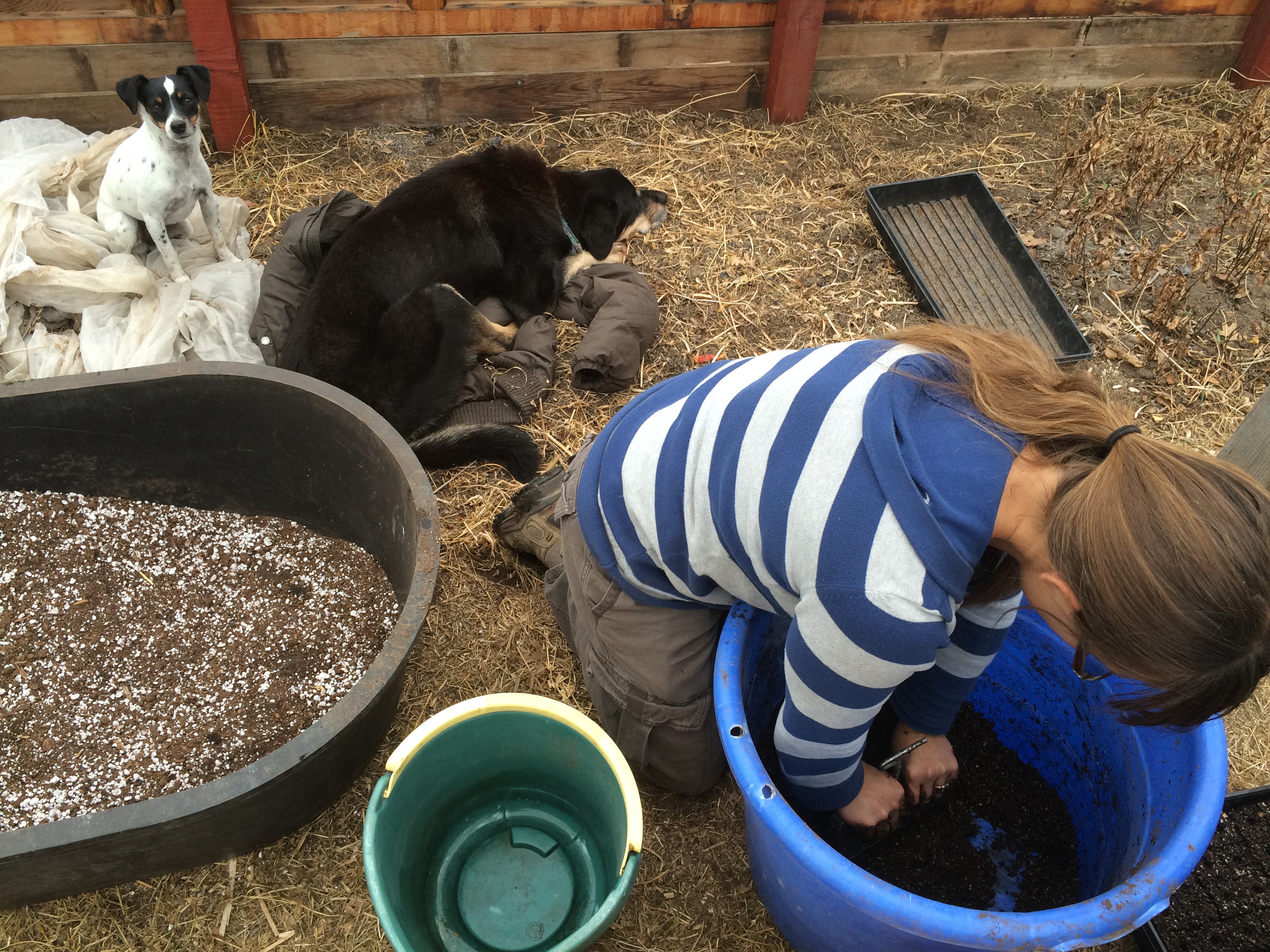
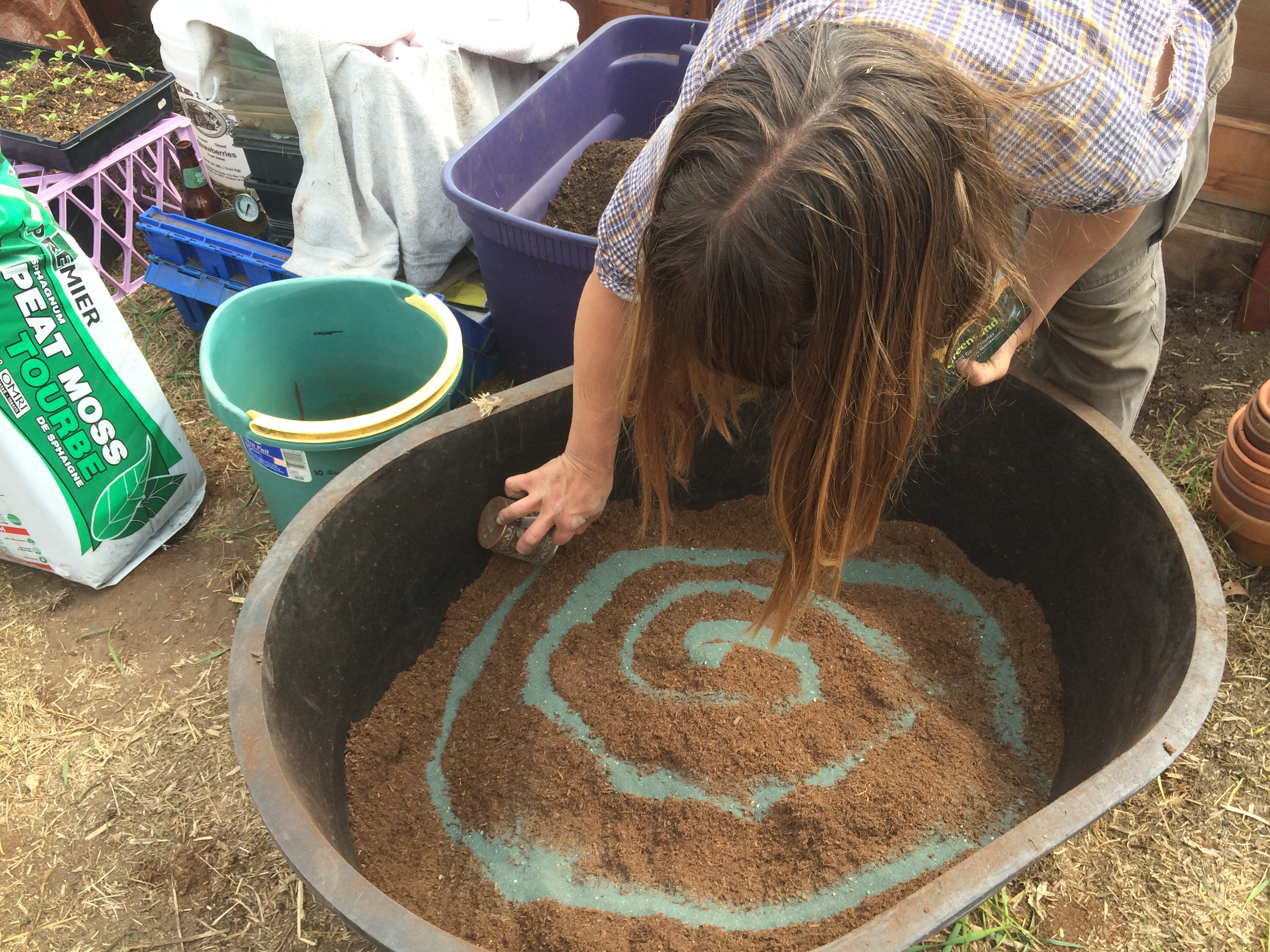
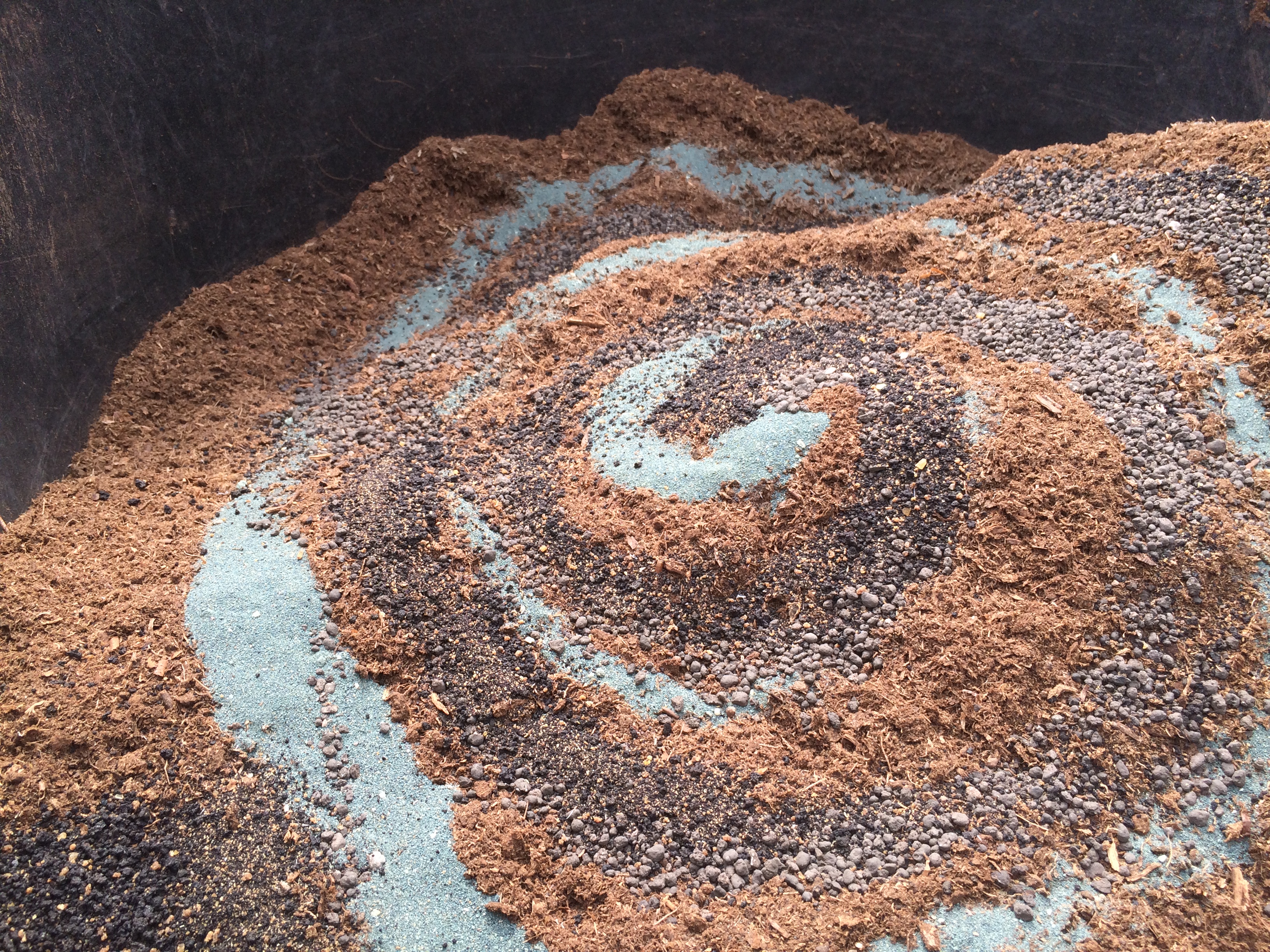
making soil blocks for seed starting - a mix made from compost we made last year, Perlite, peat moss, lime, blood meal, green sand, and rock phosphate
making soil blocks for seed starting – a mix made from compost we made last year, Perlite, peat moss, lime, blood meal, green sand, and rock phosphate

IMG_7865 IMG_7870

IMG_1083

For next spring, we plan to have a wood fired, slow-release heating system installed in the greenhouse – a “rocket mass heater” that stores heat in a clay and stone bench running the length of the greenhouse, which we can germinate seeds on and leave plants overnight when temps drop down. But for this year, there was no time to build it …
IMG_7641 IMG_7563

So at first, we tried propane heat. We quickly discovered that it is far too expensive to try to maintain temperatures overnight in a structure that is not really made to hold heat – the thin plastic is great for letting sunlight in and holding the heat briefly, but when there is no sun and the temps are below freezing, a 200 square foot hoophouse will quickly drain your bank account – as well as leave you stressing about a propane cylinder going empty in the middle of the night and costing you everything you’ve worked so hard to start.
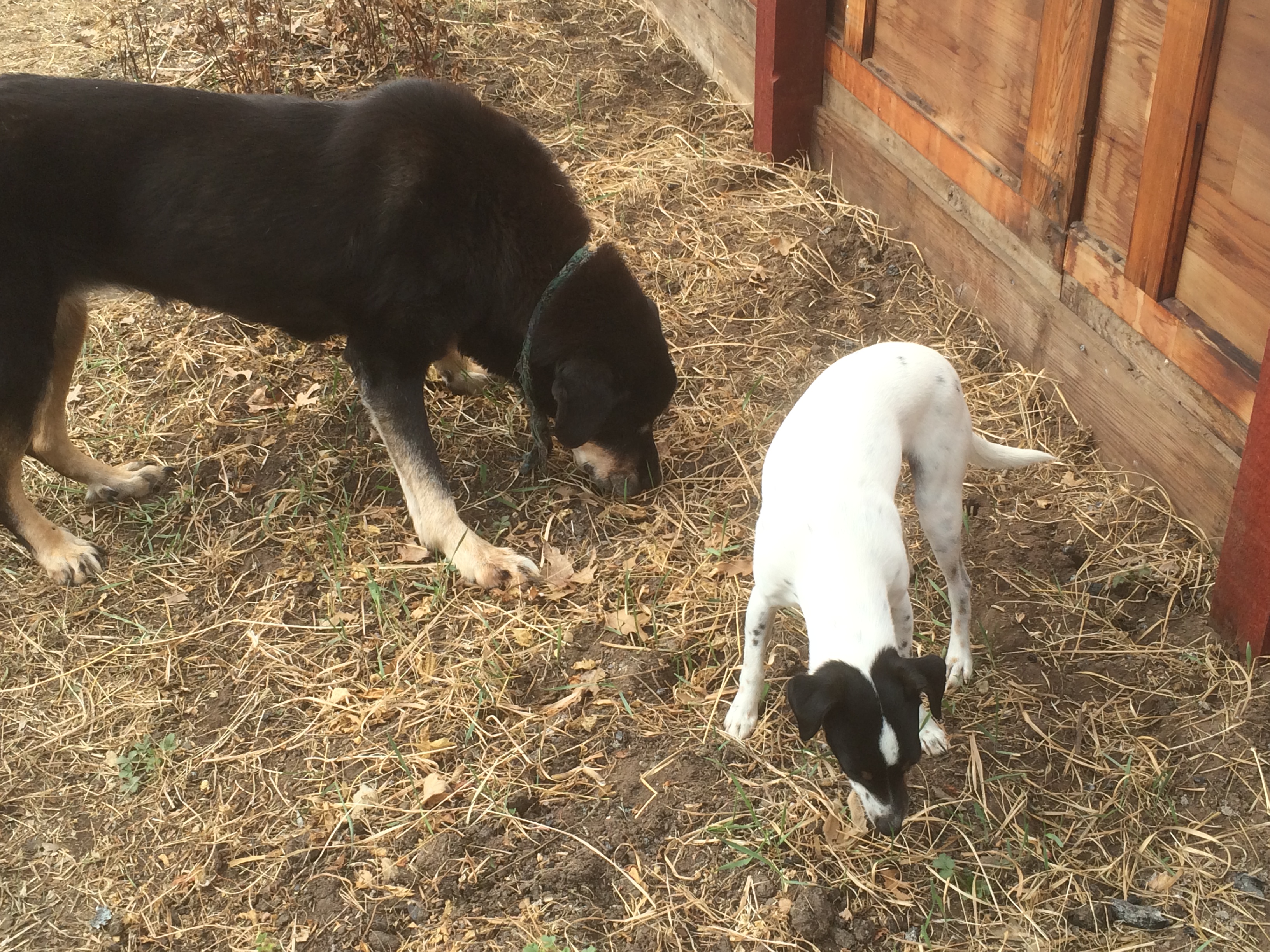
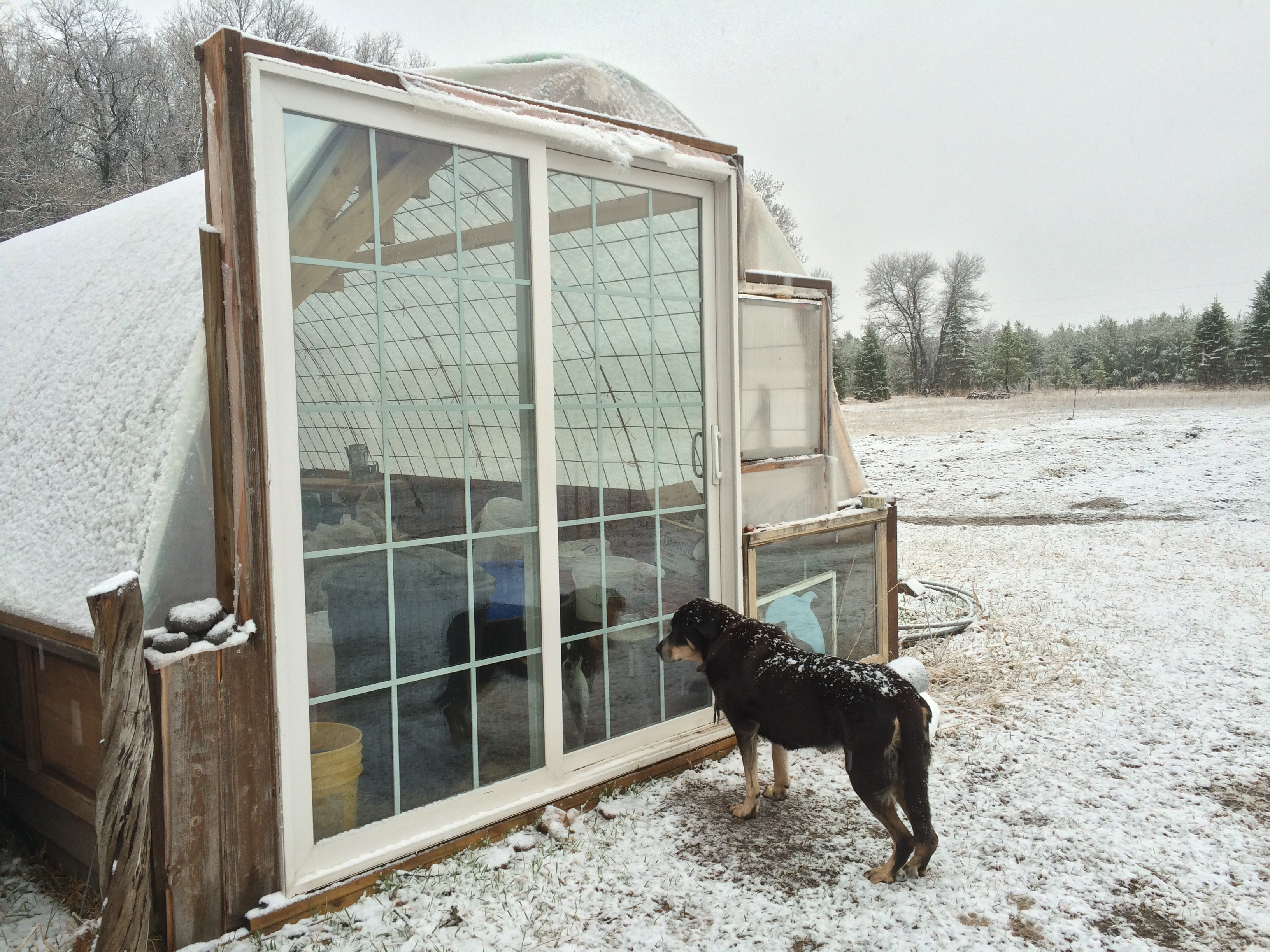
dogs grazing on the crab grass coming up in the greenhouse, long before it appeared outdoors
the dogs grazing on the crab grass coming up in the greenhouse, long before it appeared outdoors


Cleo is over the cold & ready to enjoy the Greenhouse Effect


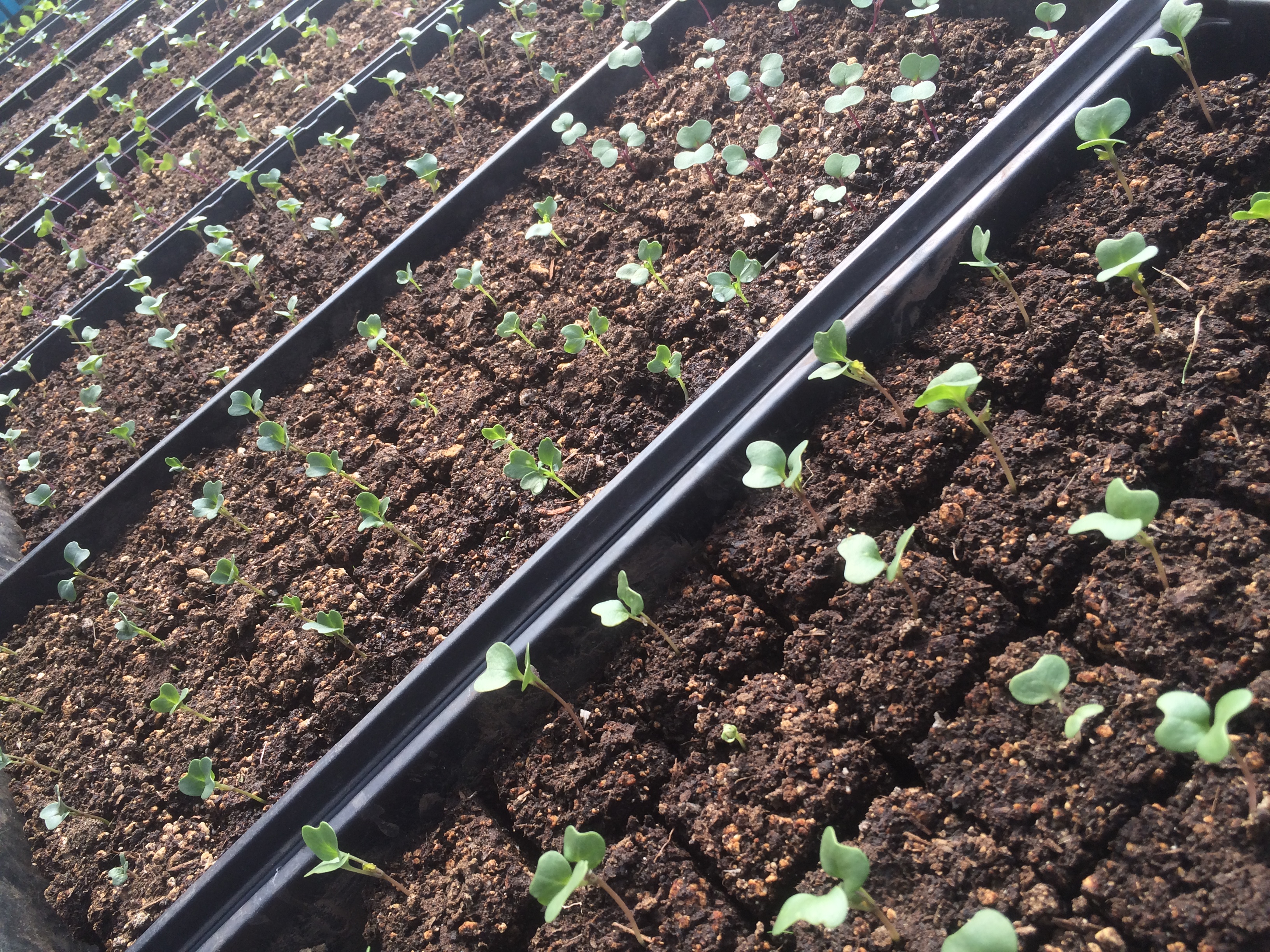
The first seedlings started were the cool weather crops – hardy specimens that can survive chilly air and soil, such as lettuce, broccoli, and kale. We also got some more perennials going – asparagus and rhubarb.

you've heard of Baby Kale - this is Newborn Kale
you’ve heard of Baby Kale – this is Newborn Kale …


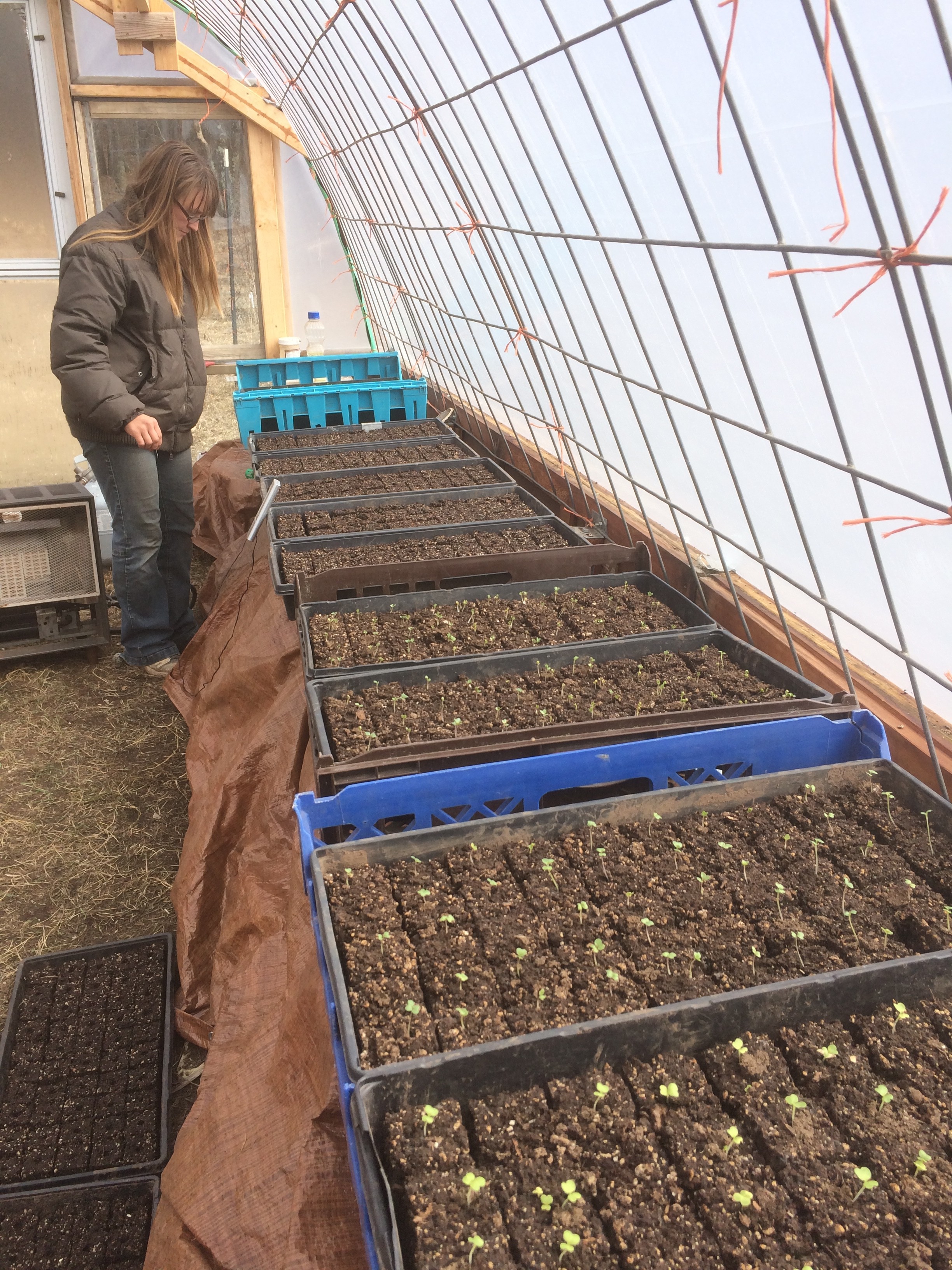
Using a handy digital thermometer with a probe (which lets us take readings in two separate locations),  we experimented with different techniques for maintaining adequate temperature, and discovered that if we put the flats on the ground of the greenhouse at night and layered them with row cover fabric, the warmth of the earth keeps the trays several degrees warmer than the rest of the greenhouse.
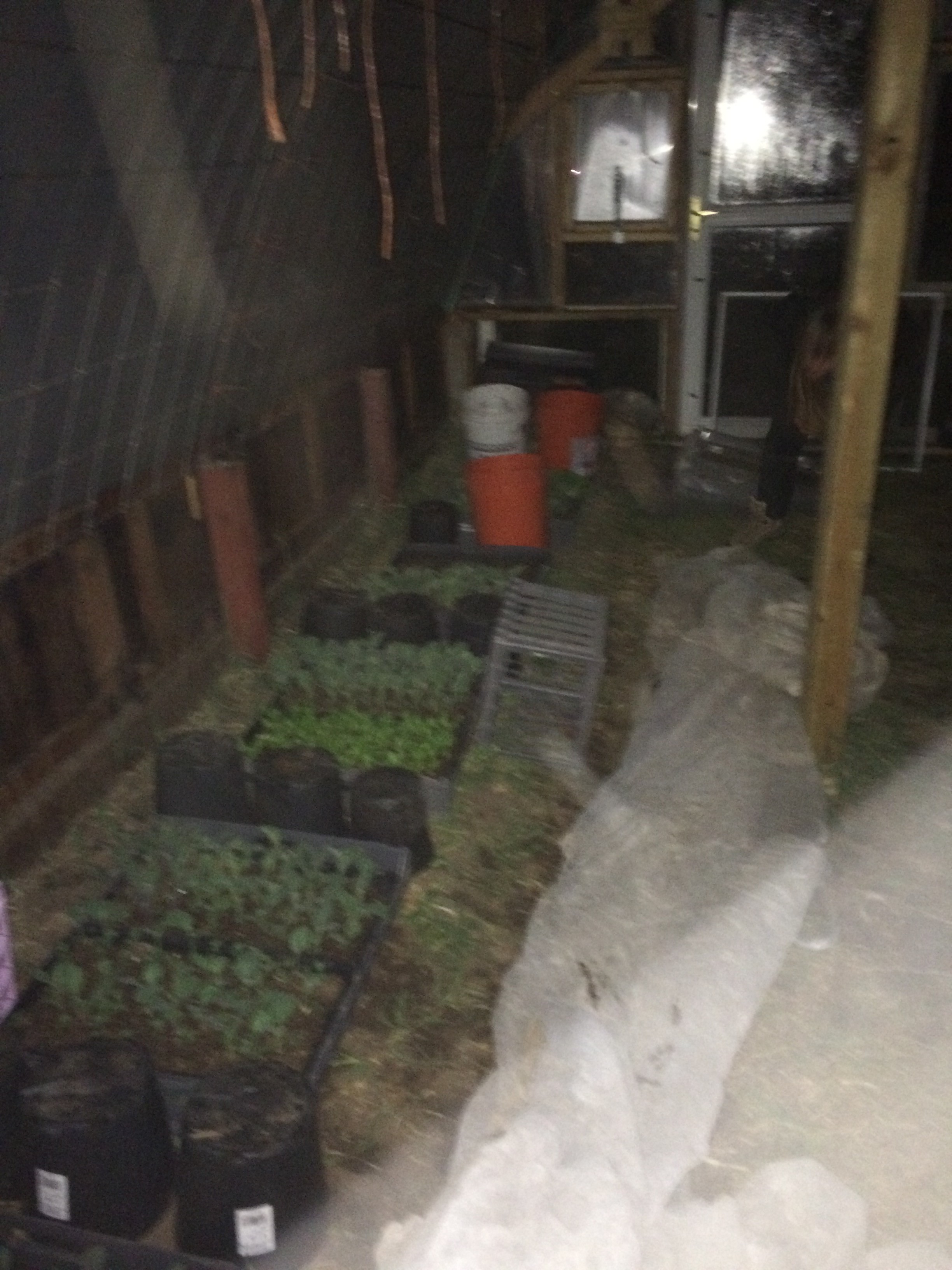
using cold climate greenhouse tactics similar to those promoted by Eliot Coleman and Helen and Scott Nearing


When it is very cold, we bring them up into the trailer with us, to stay toasty with the heat from our wood stove.
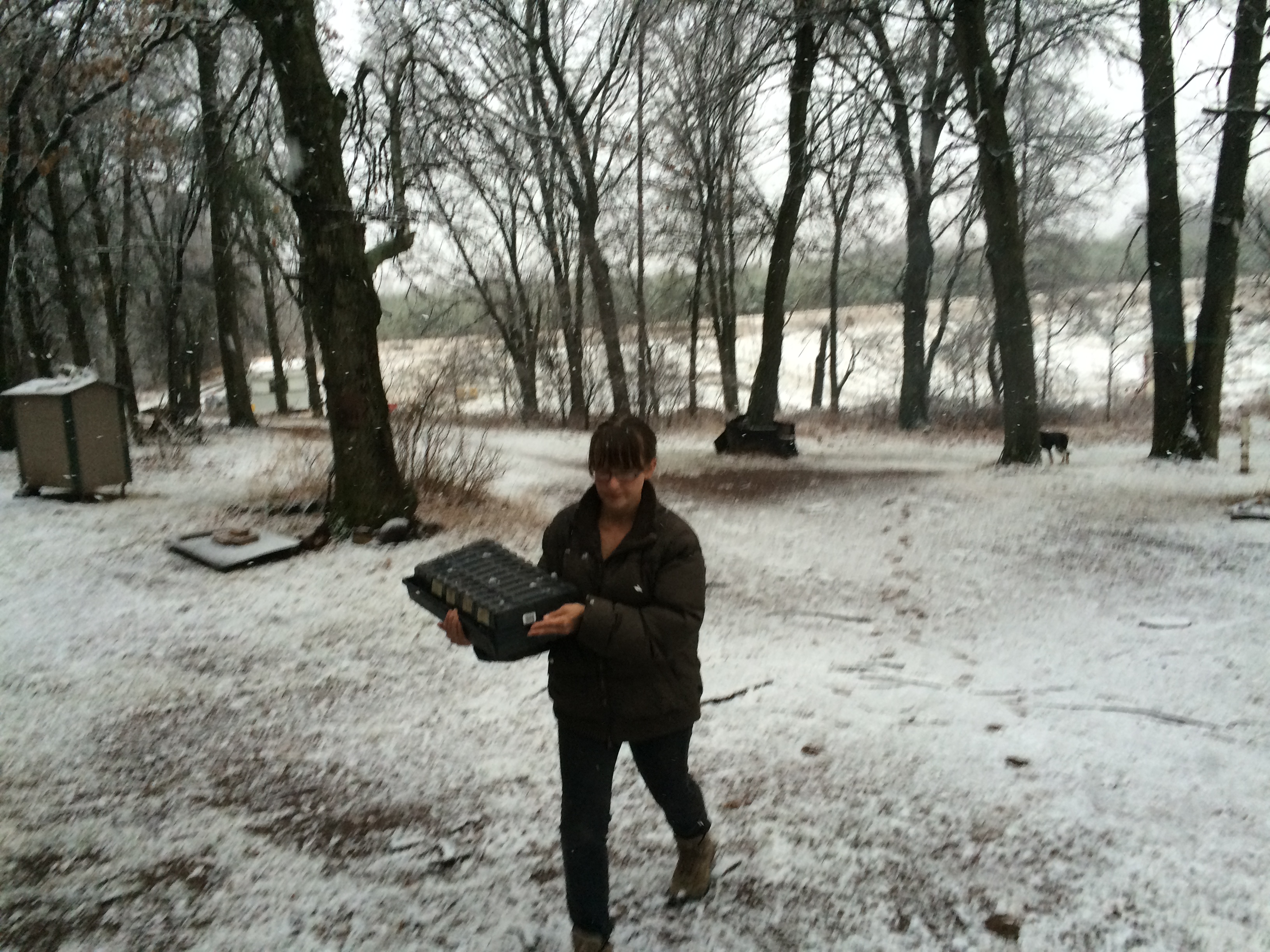
IMG_7707

This set the stage for the next wave of seedlings – the much more sensitive hot weather plants such as tomatoes, peppers, and eggplants.

These seeds will not germinate well unless soil temperatures are at least 80 degrees – and once they finally do emerge, the plants don’t like it much cooler than that, either – no lower than 50. So, we started a new regimen to accommodate them.

On clear days, when the sun warms the greenhouse up in the 80 to 100 degree range, we set up the warm-weather plants on the greenhouse shelves, to benefit from both the heat and the sunlight.

IMG_1080

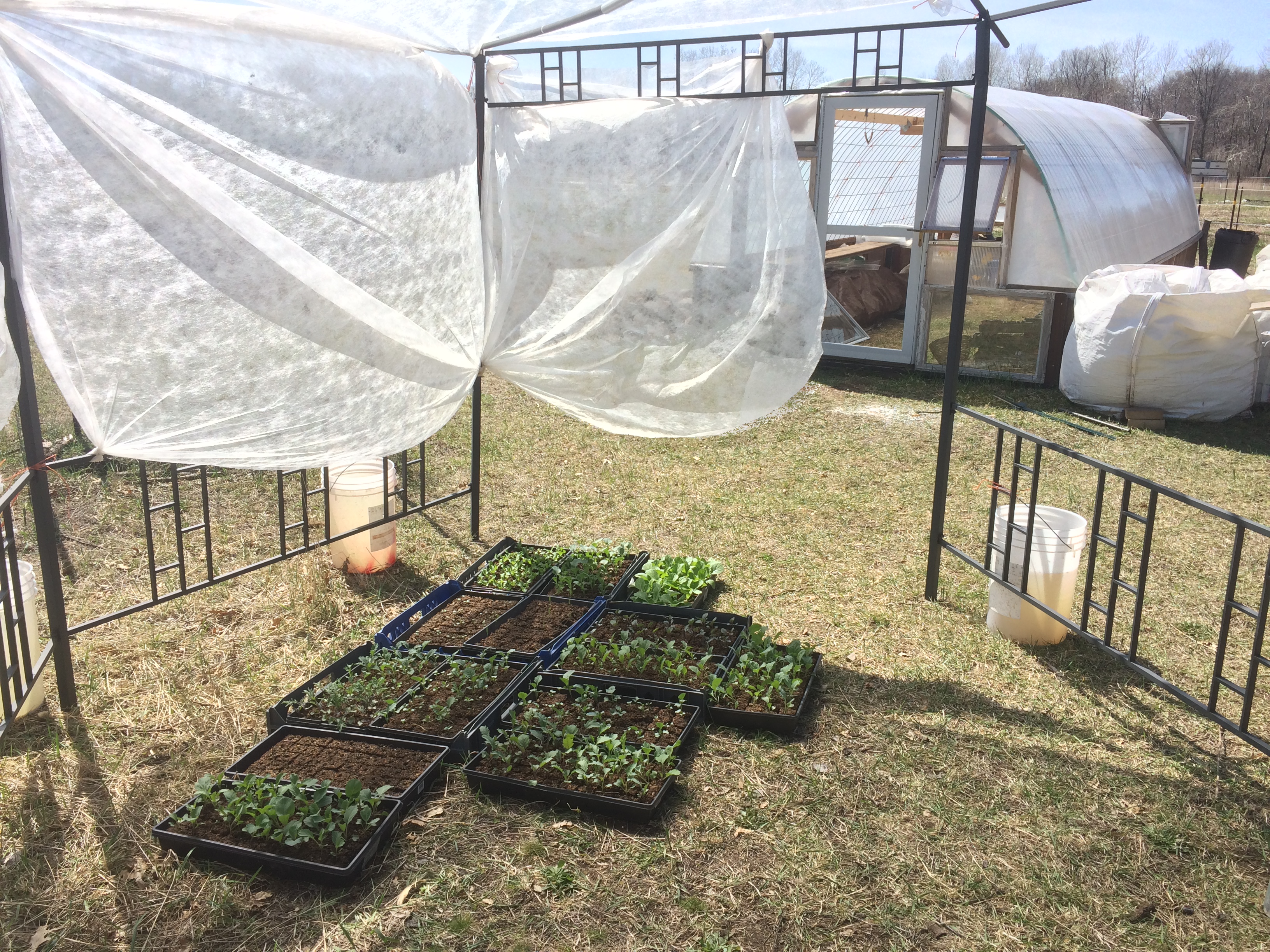
During these times, the cool weather crops are moved outside, to temperatures more to their liking, as well as into the wind and more direct sunlight that they need to get, in preparation for being transplanted into the open field.
IMG_7819

We used the storm-ravaged mosquito gazebo frame and some row cover to build them a shelter, which keeps the sunlight moderated during the strongest times of day.

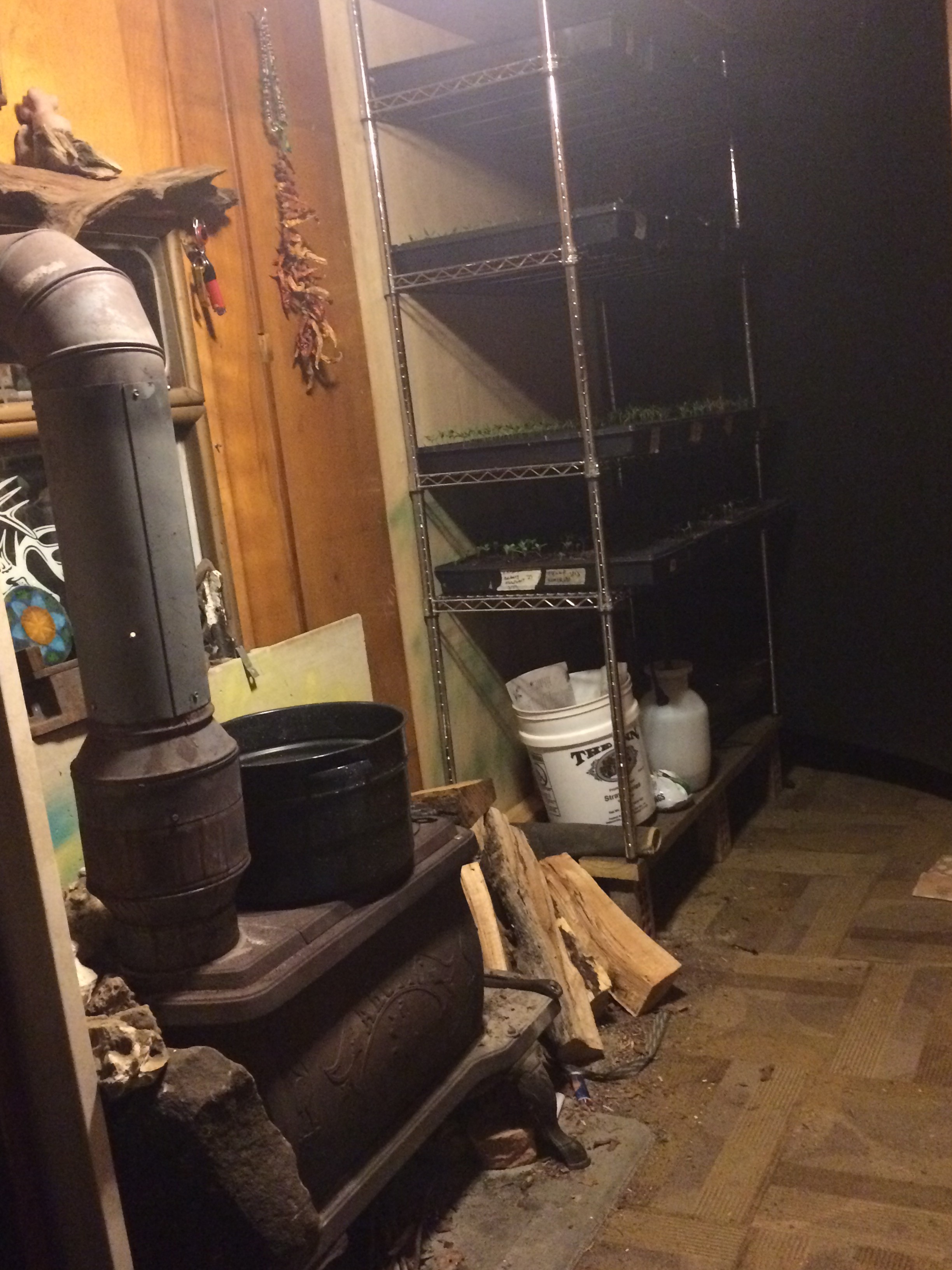
For nighttime and for still-germinating seeds (which require no sun and more heat), we hung ceiling-to-floor curtains in our trailer, dividing it into three areas: the living room with its big bright windows (which lose heat at night), the kitchen in the middle with the woodstove, and the bedroom in the rear of the trailer. Rearranging the furniture allowed us to set up a big wire shelving rack in the middle zone, capable of holding almost 20 flats of seedlings. The uppermost (warmest) shelves became our germination area – the curtains trap much of the heat from the woodstove, allowing us to easily maintain temperatures between 70 and 100 degrees overnight for the seeds to germinate within, without roasting ourselves to death while we sleep in the rear.
IMG_7842 IMG_7822

In the mornings, we load the sprouted trays into the van and move them “downstairs” into the protected sunny greenhouse. If it’s warm enough, the cool weather crops (which spend the nights on the greenhouse floor) get moved outside into the gazebo shelter. And then when the sun goes down, we bring them back into the greenhouse, and load the hot weather plants back into the van for a trip “upstairs” to their woodheated shelving in the trailer with us.
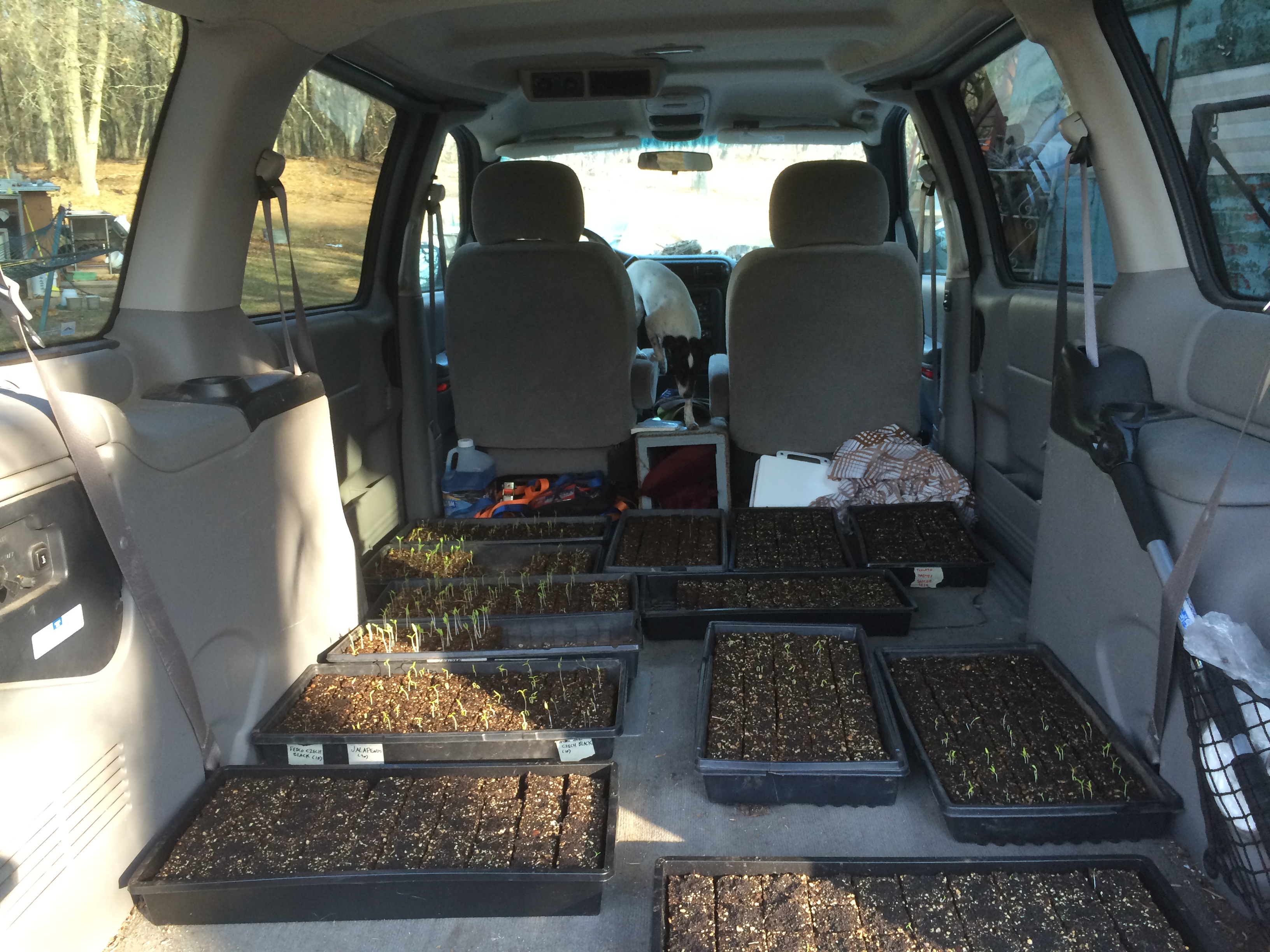
IMG_7746

It’s a lot of shuffling trays back and forth and all around, but we’ve gotten pretty good at the process, handing the trays off from one person to the other at the doorways, using bread trays to move two flats at once, and making it a smooth and painless habit, a simple and quick routine. And because we’re here with the seedlings full-time (last year we did our germination in Kristin’s folks’ basement), we can pay close attention to maintaining consistent moisture levels, avoiding extremes of dry or wet soil that cause problems.
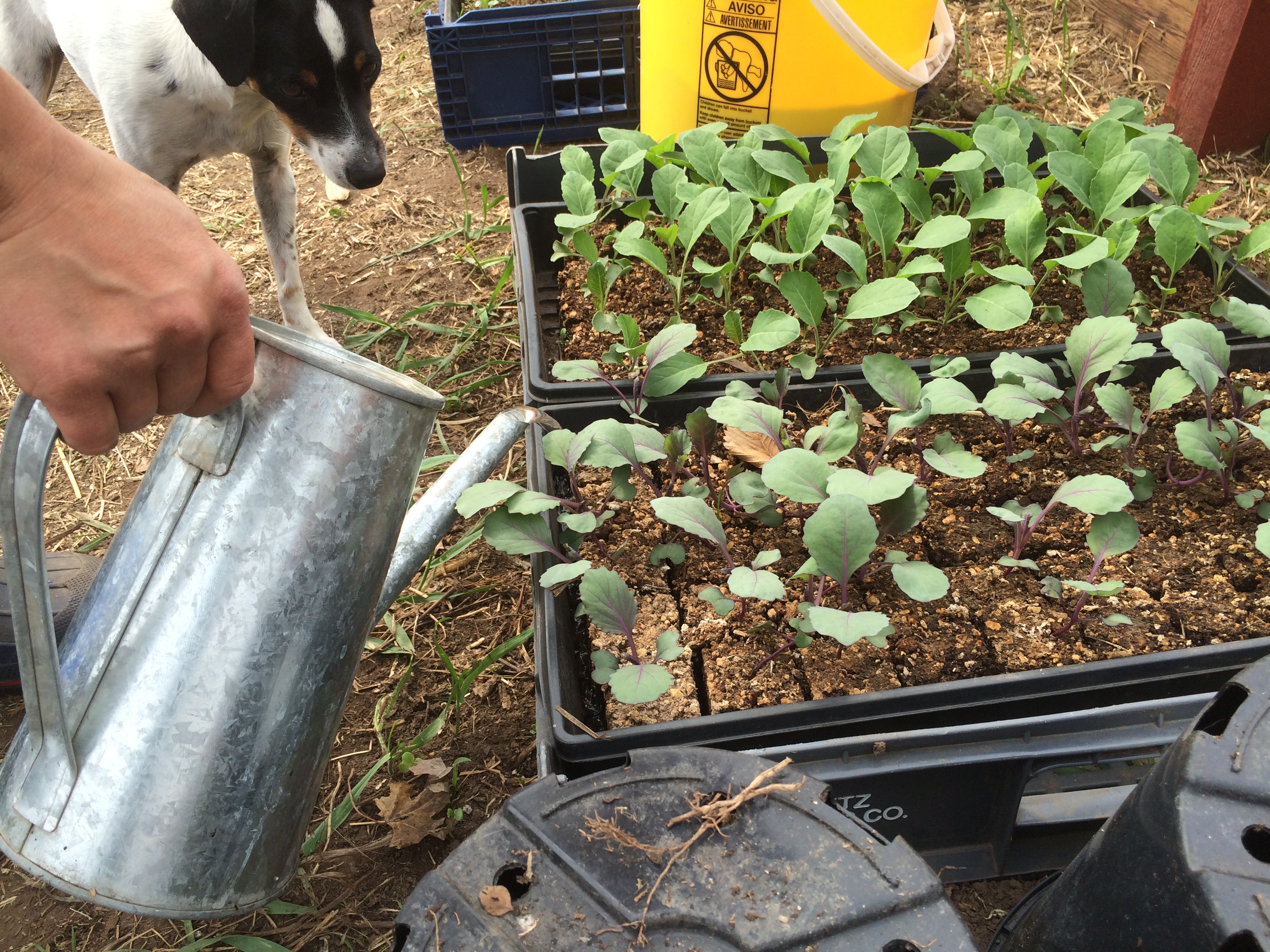
IMG_7873

Not only does it work for us – it seems to be working great for the plants. This year we have the strongest and healthiest looking seedlings we’ve had yet – strong stems, glowing leaves, high germination rates, and no sign of damping off, yellow leaves, or other signs of stressed or unhappy seedlings.
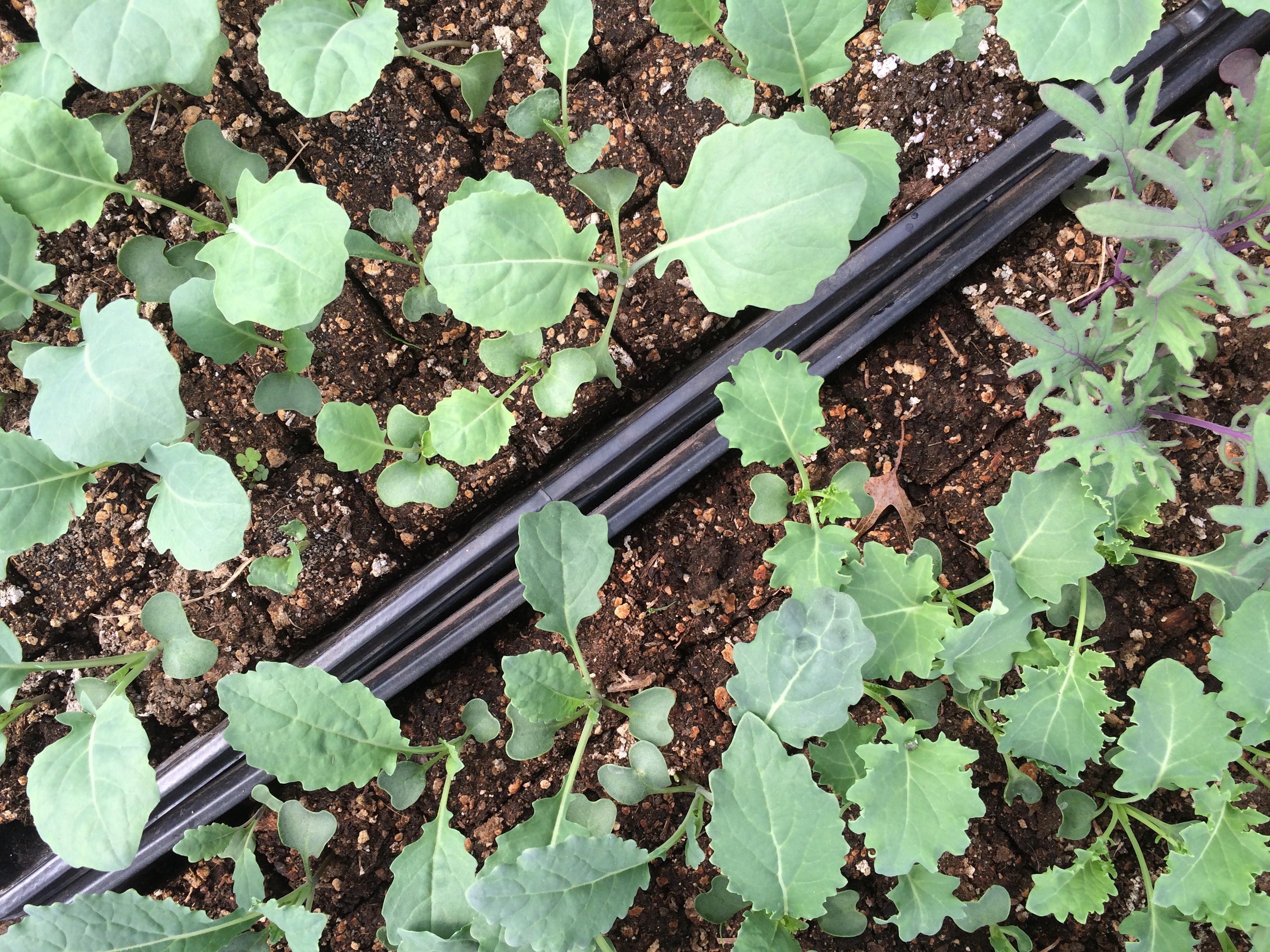
IMG_7868

Of course, just as it gets easier and feeling under control, it’s time for the next phase of things – this week we started planting seeds out in the field – so far, onions and snap peas, with lettuce and spinach on the to-do list next.

IMG_7831

This means weeding rows and beds, planting, and mulching … making this a great time of year to come out and help if you’re interested in volunteering; there’s a lot to do, but it’s not hot and there aren’t any mosquitoes, gnats, or flies to speak of … yet!
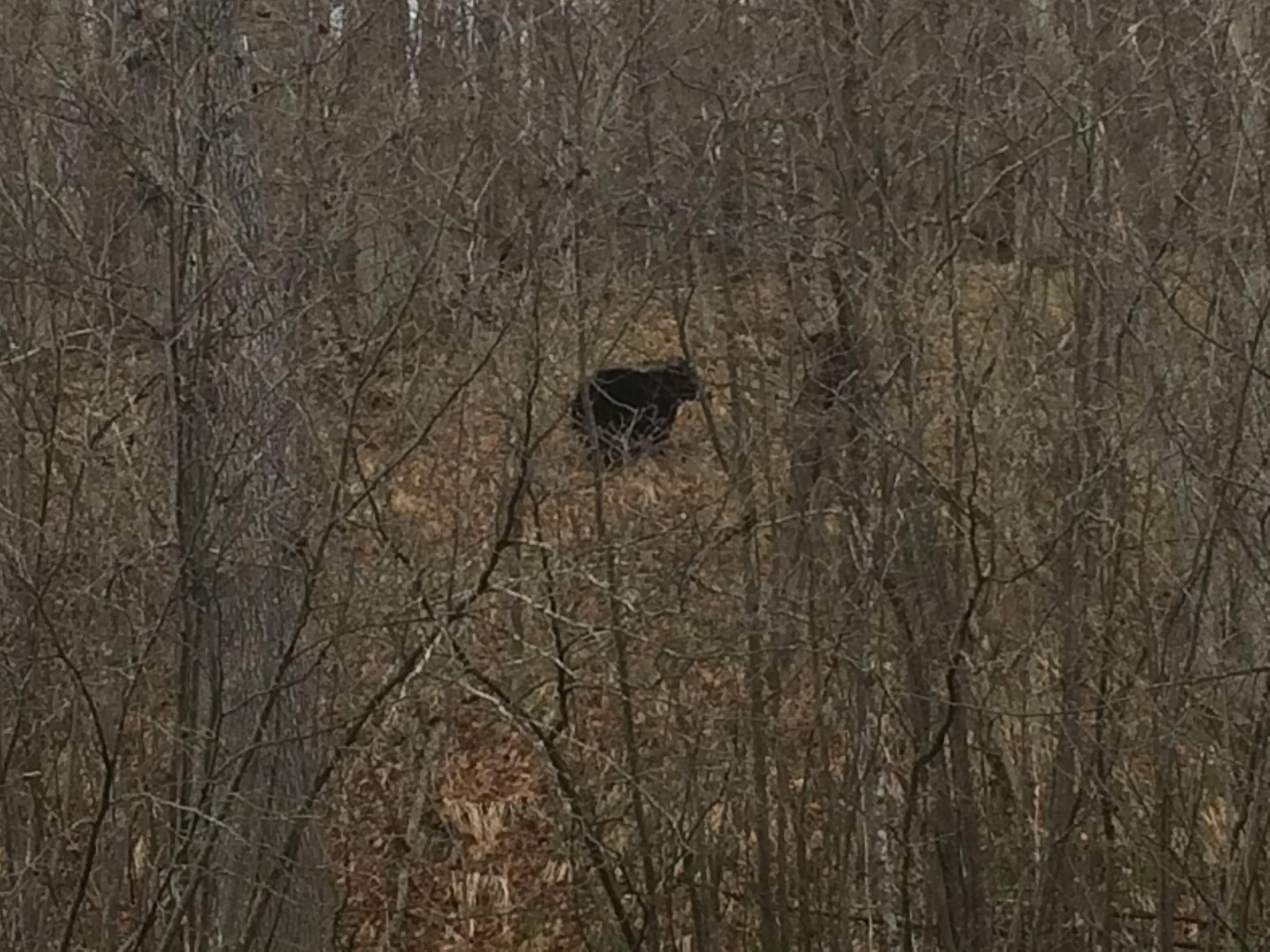
no mosquitoes, but maybe a bear or two


2015 is off to an awesome start – I know there is no certainty when it comes to the future especially in farming, and ‘whatever will be, will be’  – but I’m predicting the best year yet!

Thanks for being a part of it!

– Gabe Sehr
 

2014 CSA Wrap-up & 2015 Preview

We want to start by thanking everyone for a beautiful year – a transitional, magical year we will remember forever.
 

IMG_3808


The leap of faith we took – away from career, from life and home as we’d known them – was truly the best thing we could have done. Our days have never felt more fulfilling, our work never so meaningful, our hearts never so calm and in love with all we see and do. This has been a life-sized proof of concept for being guided by intuition and letting “que sera, sera” replace fear when faced with the unknown. It’s indubitably been the best year of our lives – we’re so grateful that you joined us and helped make this possible.


The Year in Review
IMG_3796
Looking around us and smiling in wonder, I’ve often exclaimed to Kristin, “Look! This is our life!! Aaaaaa!!!”
IMG_3812
We’ve made the place feel like home, and improved our processes and systems in countless ways. We built a greenhouse, a chicken coop, a hugelkultur mound, and composting outhouse, planted several dozen raspberry bushes, began doing salad mix, sold at market and wholesale for the first time, did late season planting for fall, got to know the locals and explored the ‘hood, hosted our first WWOOFers … it’s been an amazing first year here, and we’re excited to start next year with all the progress we made as a foundation.
IMG_3867


We’d love to hear any feedback you have for us – good or bad, it will help us continue to grow and improve.


Looking Ahead


IMG_3900
We have just a few weeks before we hit the road for warmer climes. Until then, we’re keeping busy removing and composting dead crops, cleaning and storing away equipment and materials, taking down trellises, planting and mulching garlic, preserving food, finishing the pallet fort/guest shack, and packing up.
IMG_3938
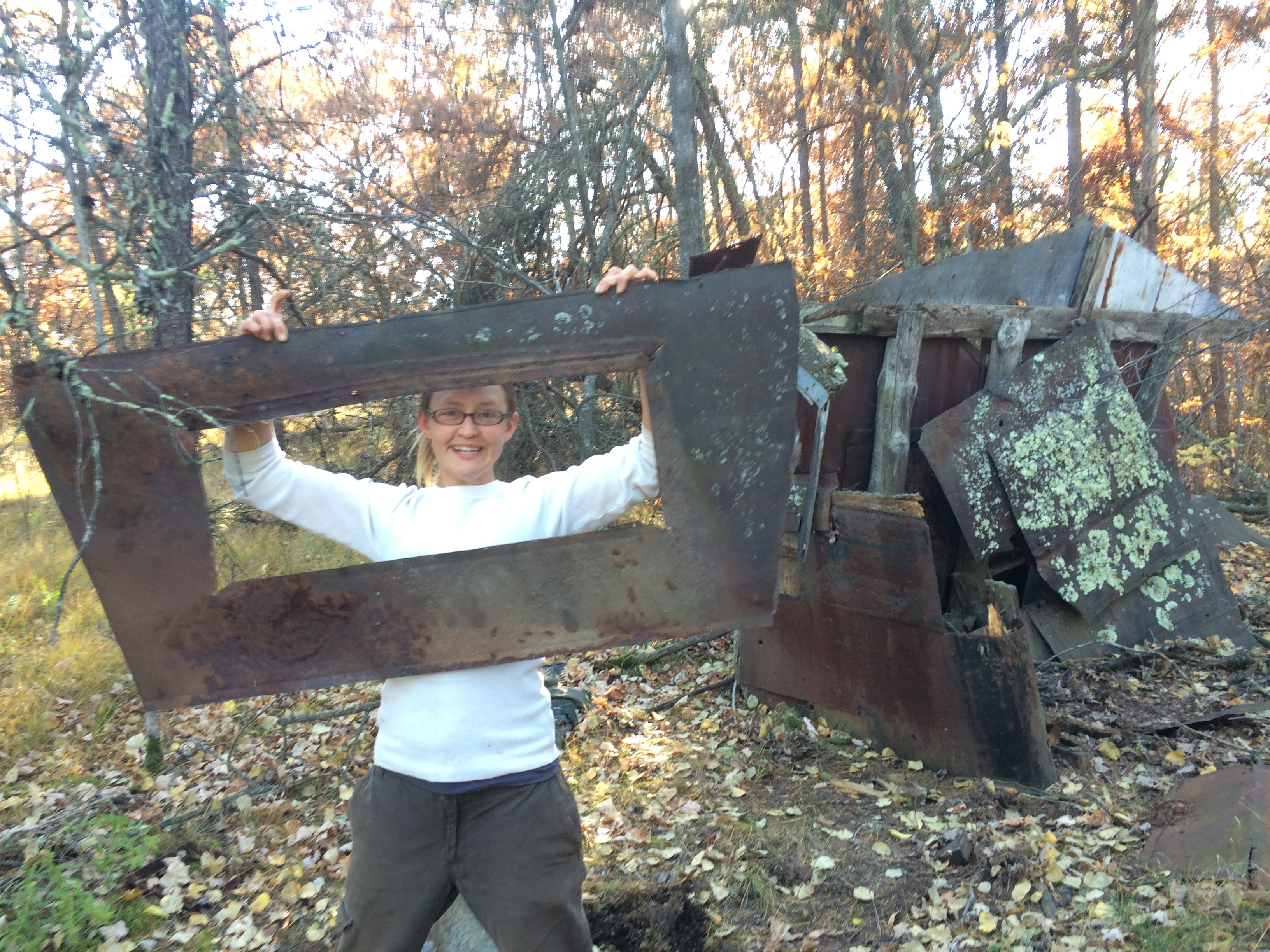
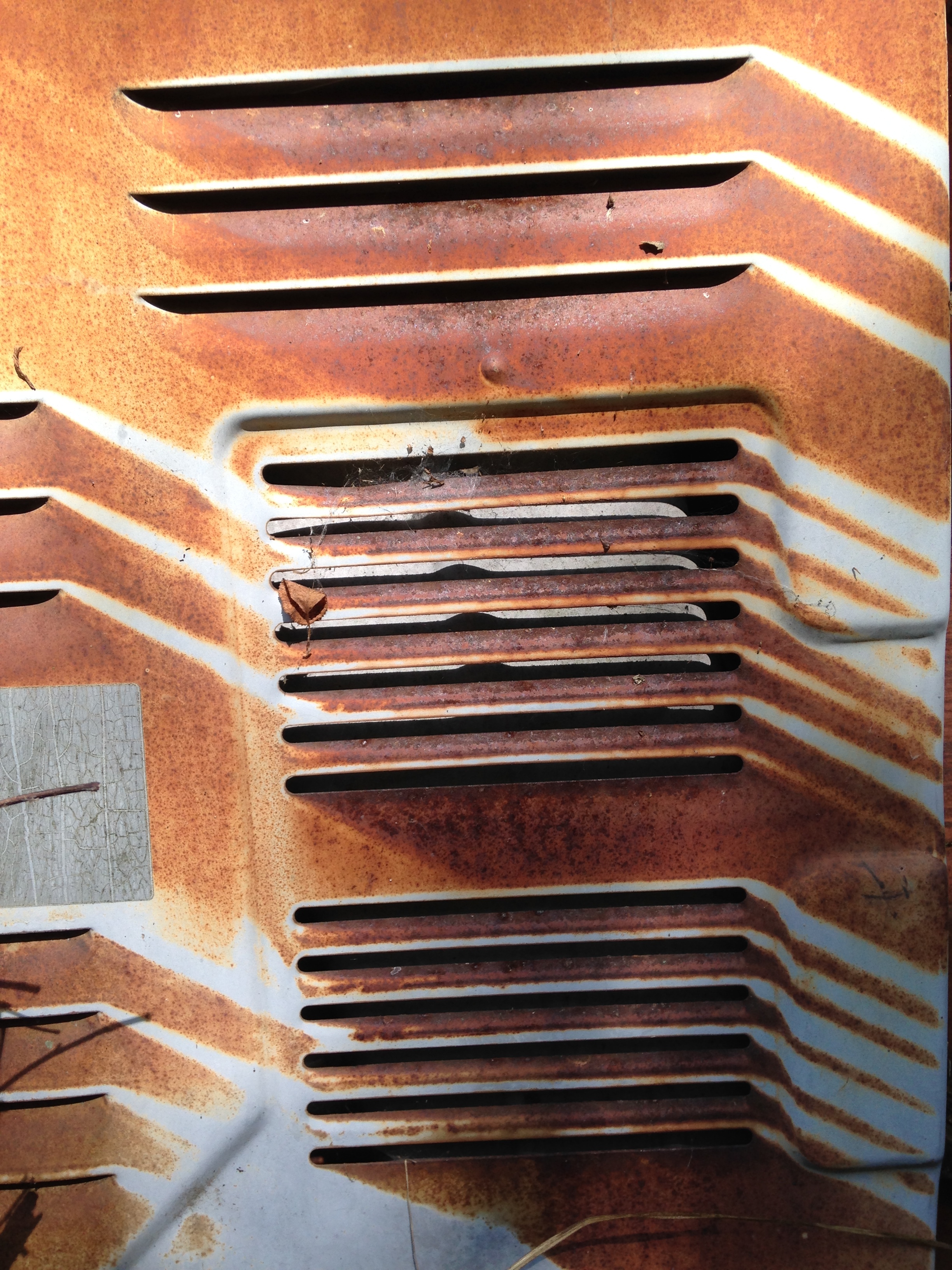
scavenging lichen-crusted old sheet metal from a collapsed 60-year old hunting shack in the woods
Then we load up the dogs and roll out for a long journey south – meeting up with family at the beginning and end, some friends in the middle, but mostly working on four other organic farms – learning new things, meeting new people, experiencing new places. (We did this last winter too, and it was incredibly rewarding.)


Come March, we’re coming back and hitting the ground plantin’ – starting seeds and preparing the field for a new year. We’ll be planting different varieties, new greens, more spinach, starting the fall crops sooner, experimenting more with compost tea, and expanding to new markets.


image


The biggest change we’re planning is transitioning to “no till” farming – rather than plowing the field in spring, we’ll be leaving the existing mulch and delicate soil structure intact, and working more organic material into the rows as we plant. (We reckon that this is the best way to address the sandy soil we have to work with here in the Sand Barrens – where nutrient leaching and moisture loss are major pitfalls.)


2015 CSA


We will be keeping the CSA about the same size, so spots will be limited – but returning members get priority.


Let us know now if you’d would like to be on board next year, so that we can reserve a spot!


IMG_3957

Whether you’re joining us next year or not, please stay in touch! We’ll be continuing to update this blog throughout the winter – let us know if you want us to keep emailing you a link when we update the site.

It’s been amazing; thanks again. Have a wonderful winter – hope to see you soon!

– the Sehrs

IMG_3725

CSA Week 18 – The Final Box

the weekly News

image

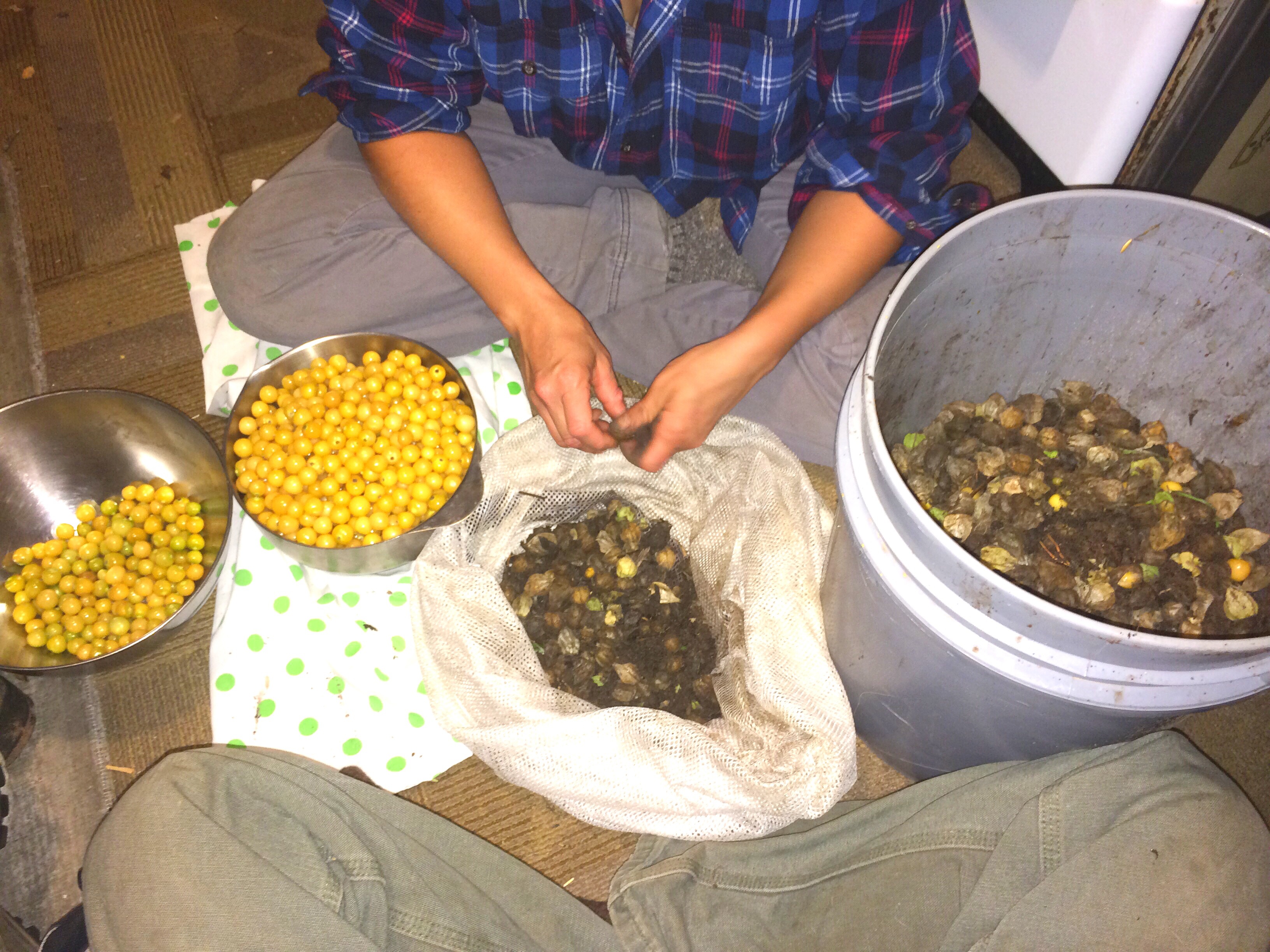
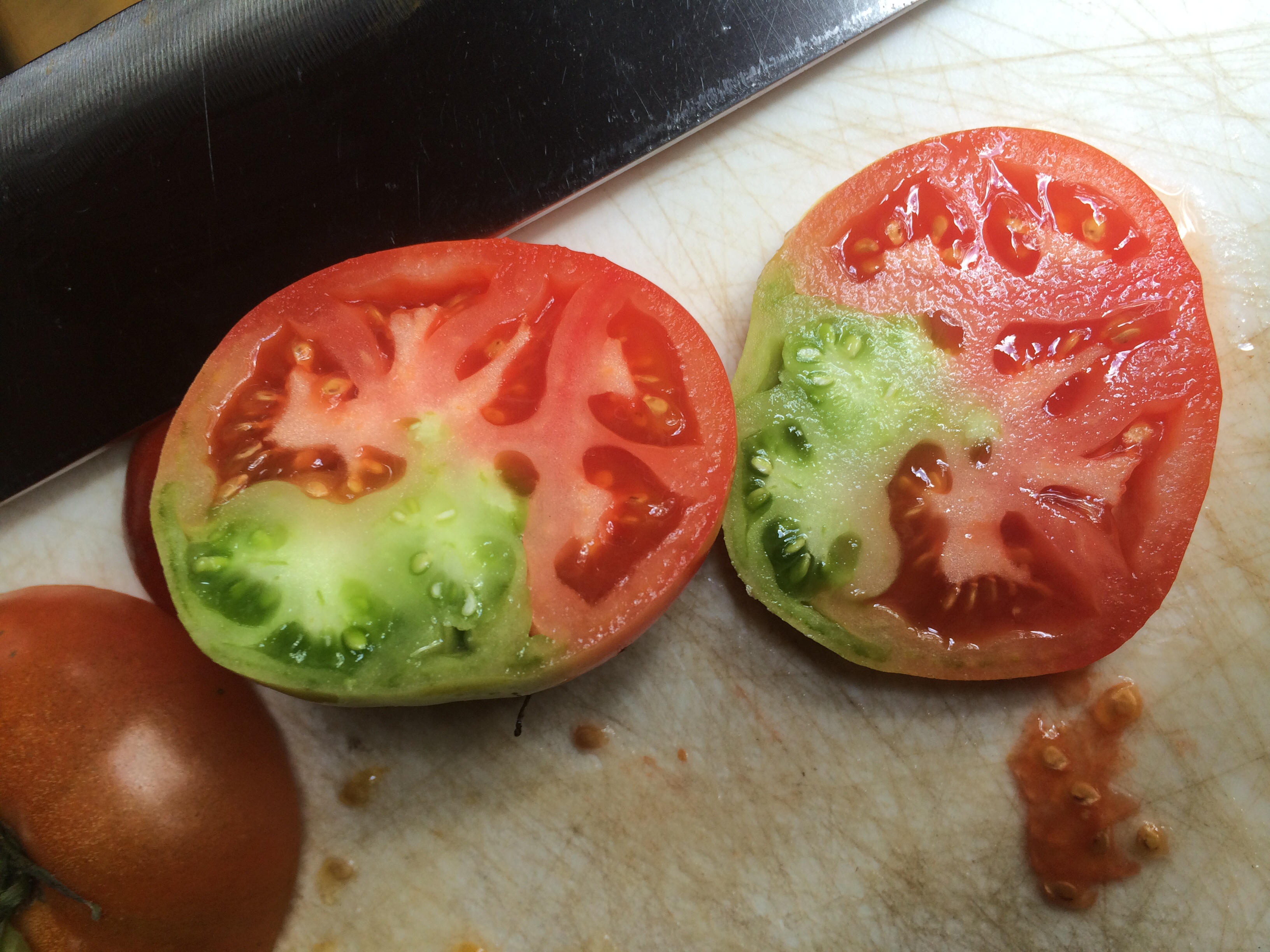
The cold has arrived; we were ready for it. We did a ton of preserving this week, capturing the food that needed to be brought in from the freezing nights, and maintaining it for enjoyment this winter or next year.  Huckleberries, ground cherries, green tomatoes, peppers, and salsas were canned and pickled and jarred and dried.

 image image image image

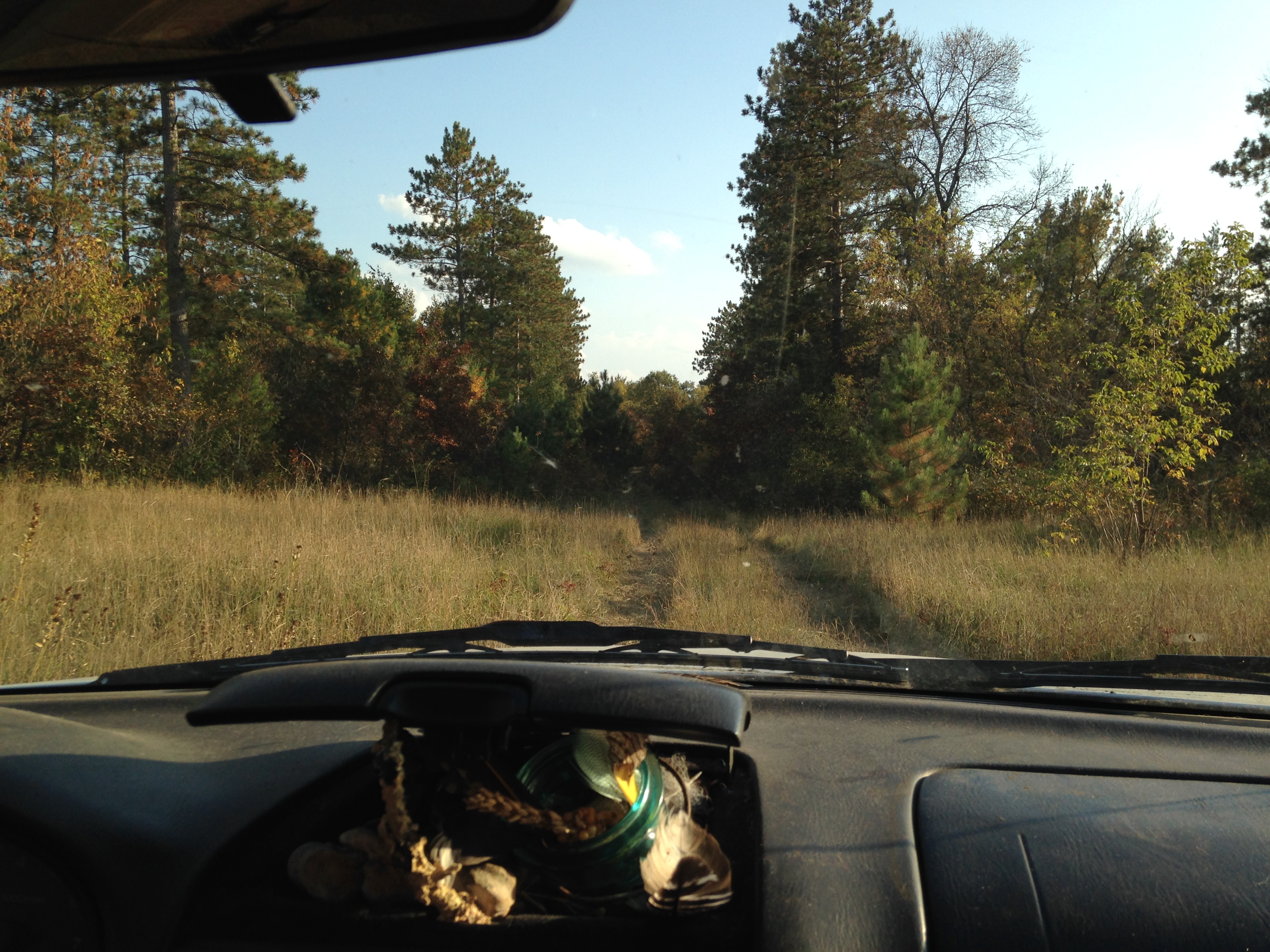
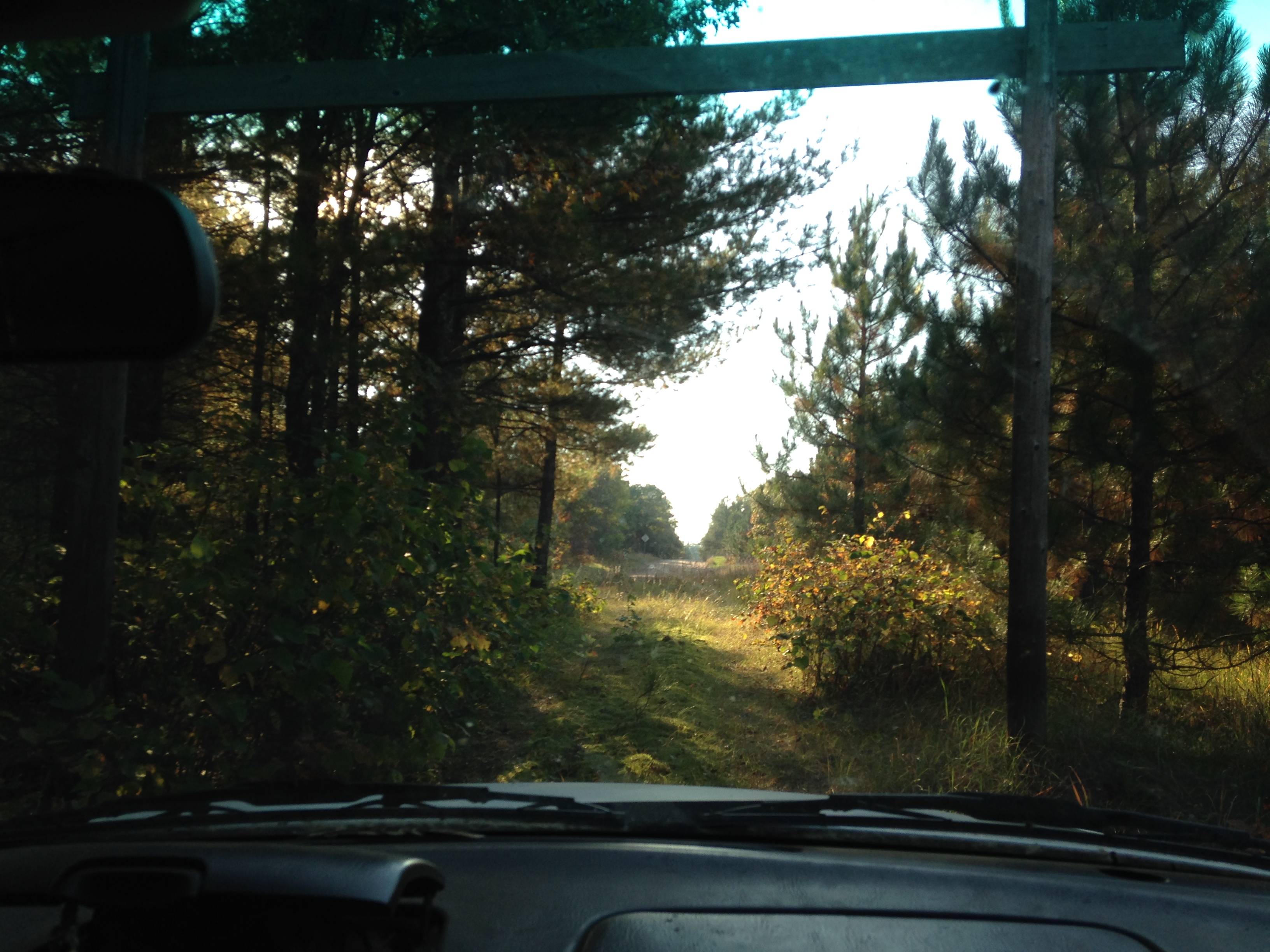
We took advantage of All Wheel Drive and a lot of exploring the crazy dead end network of narrow two-track logging “roads” that surround us out in the Barrens.

image   image

image

image
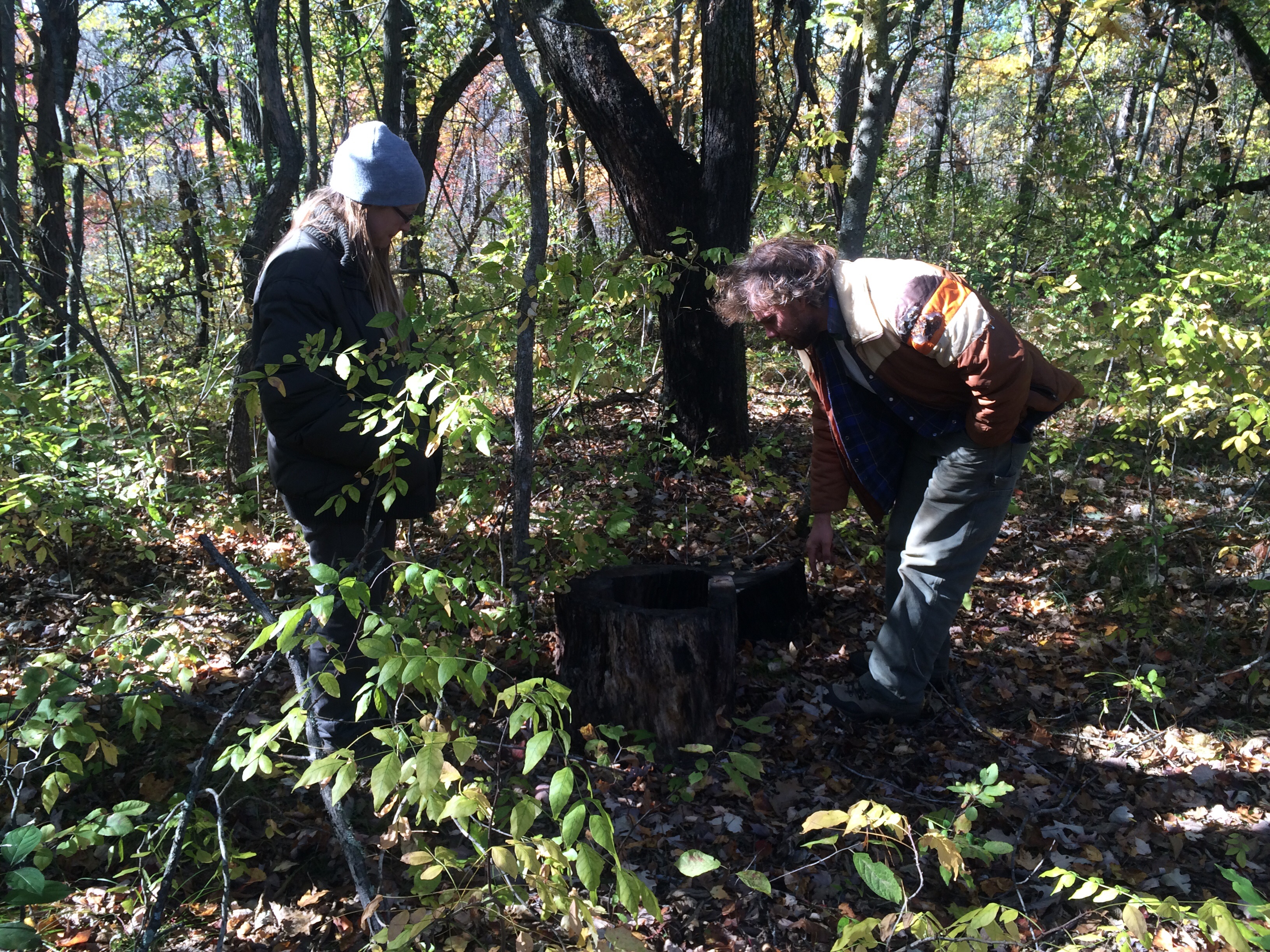
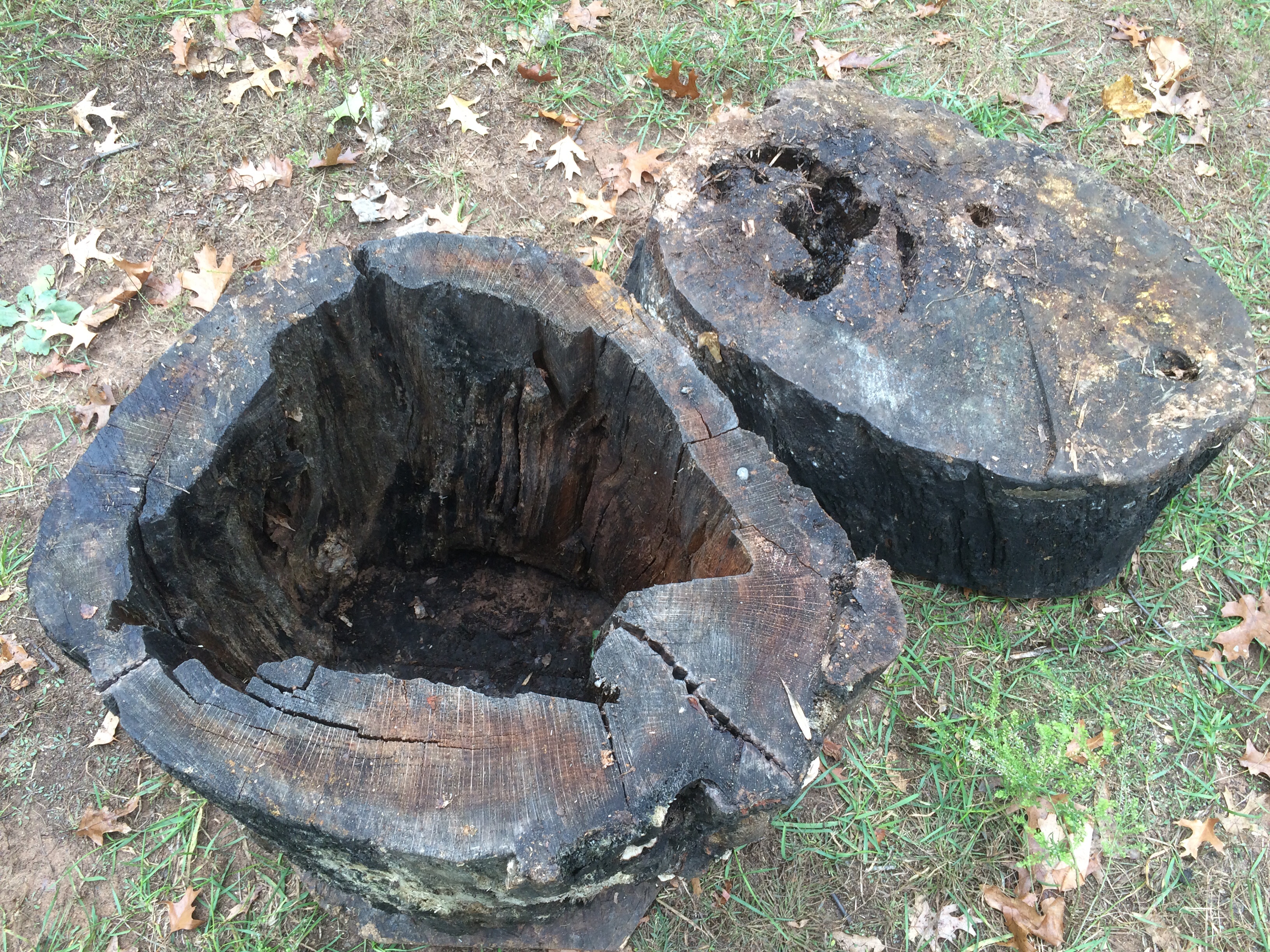
the waxy mystery stump found in the woods off a dead-end logging road. A piece of plywood is cut to shape and nailed to the bottom of the hollow log, the thick slab is covered in some kind of black wax. WHAT


image
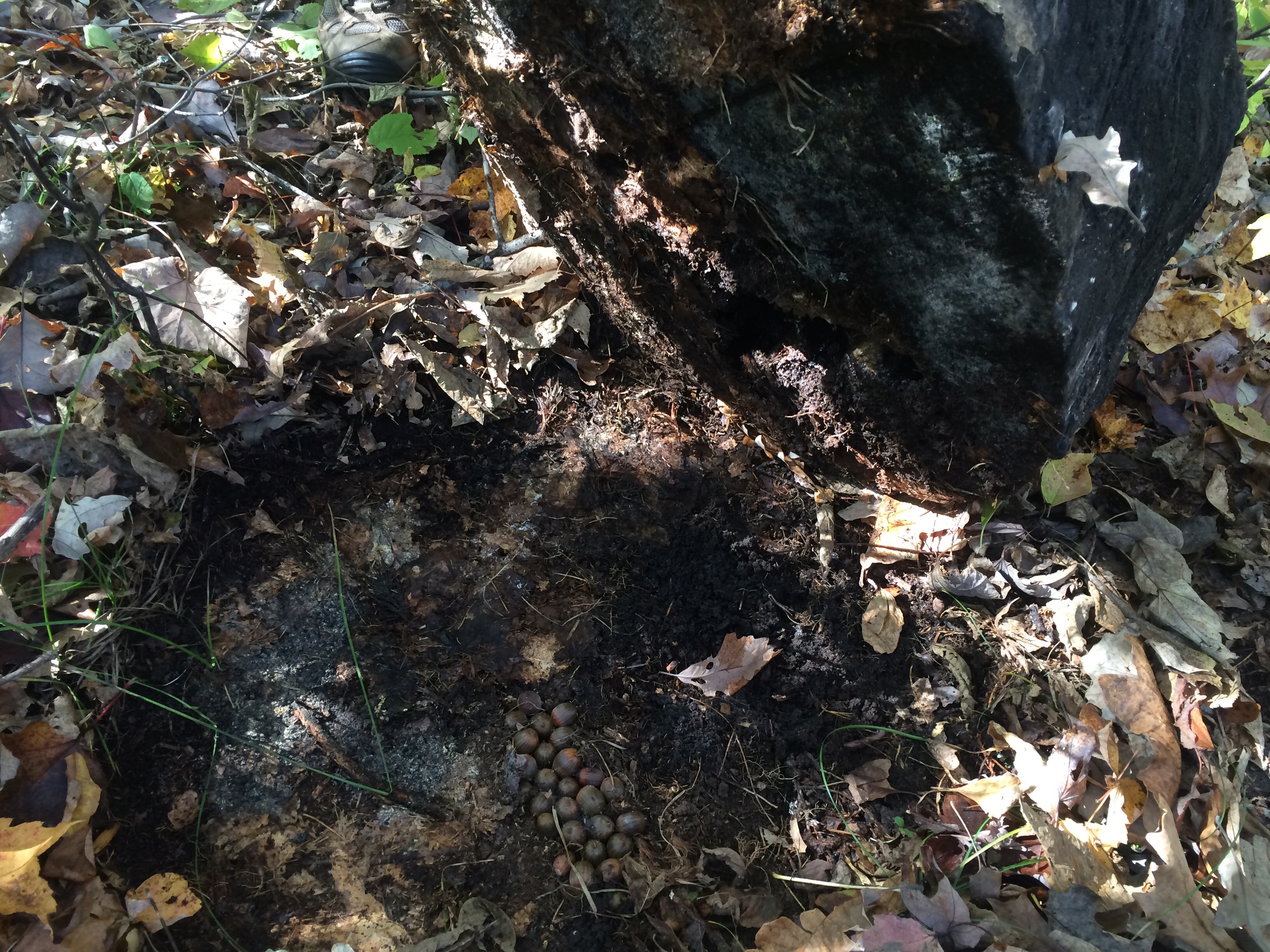
the hollowed out log may or may not have been some kind of secret cache, but the slab was definitely used by one – we found this cache of acorns beneath it


image
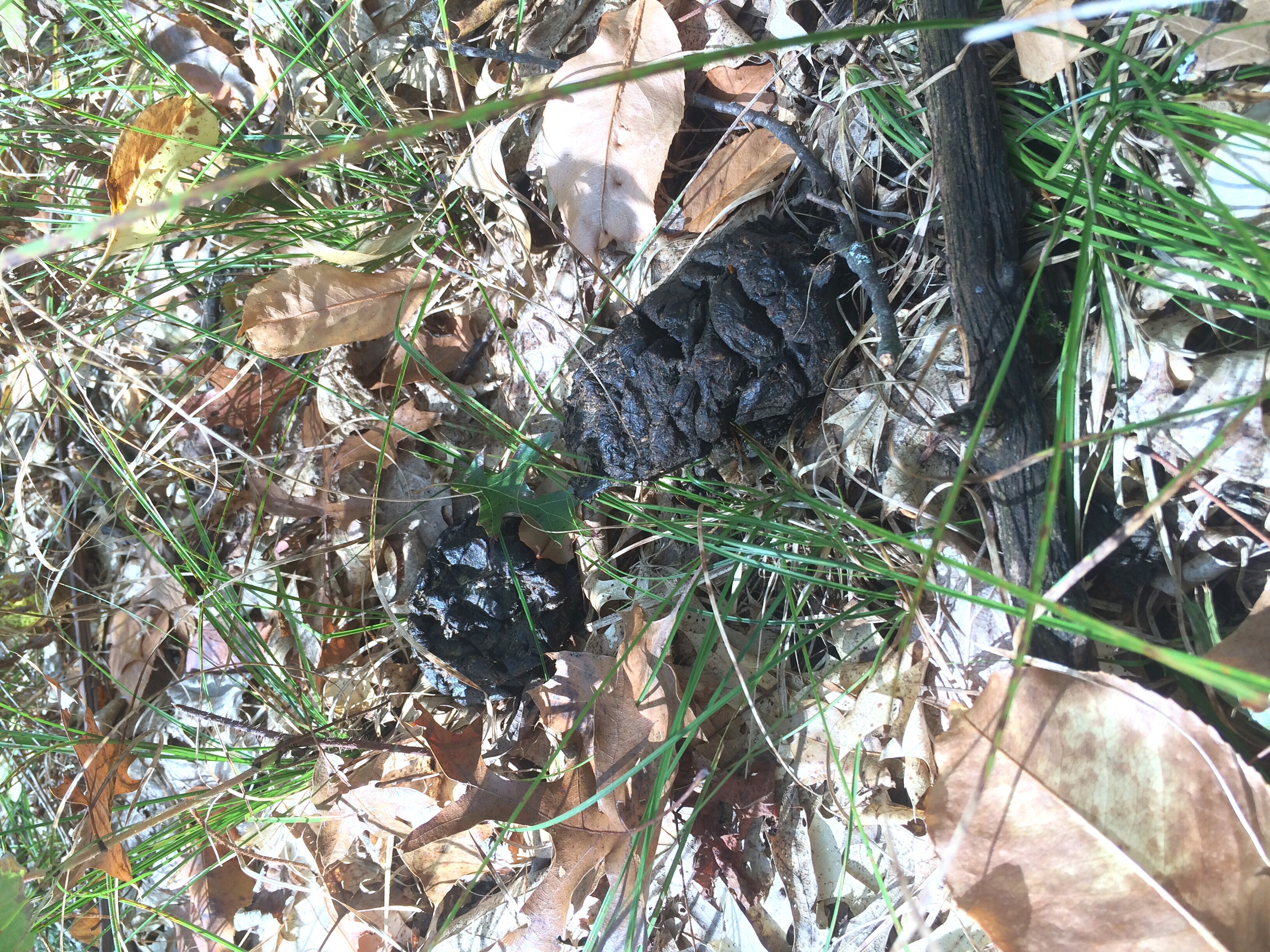
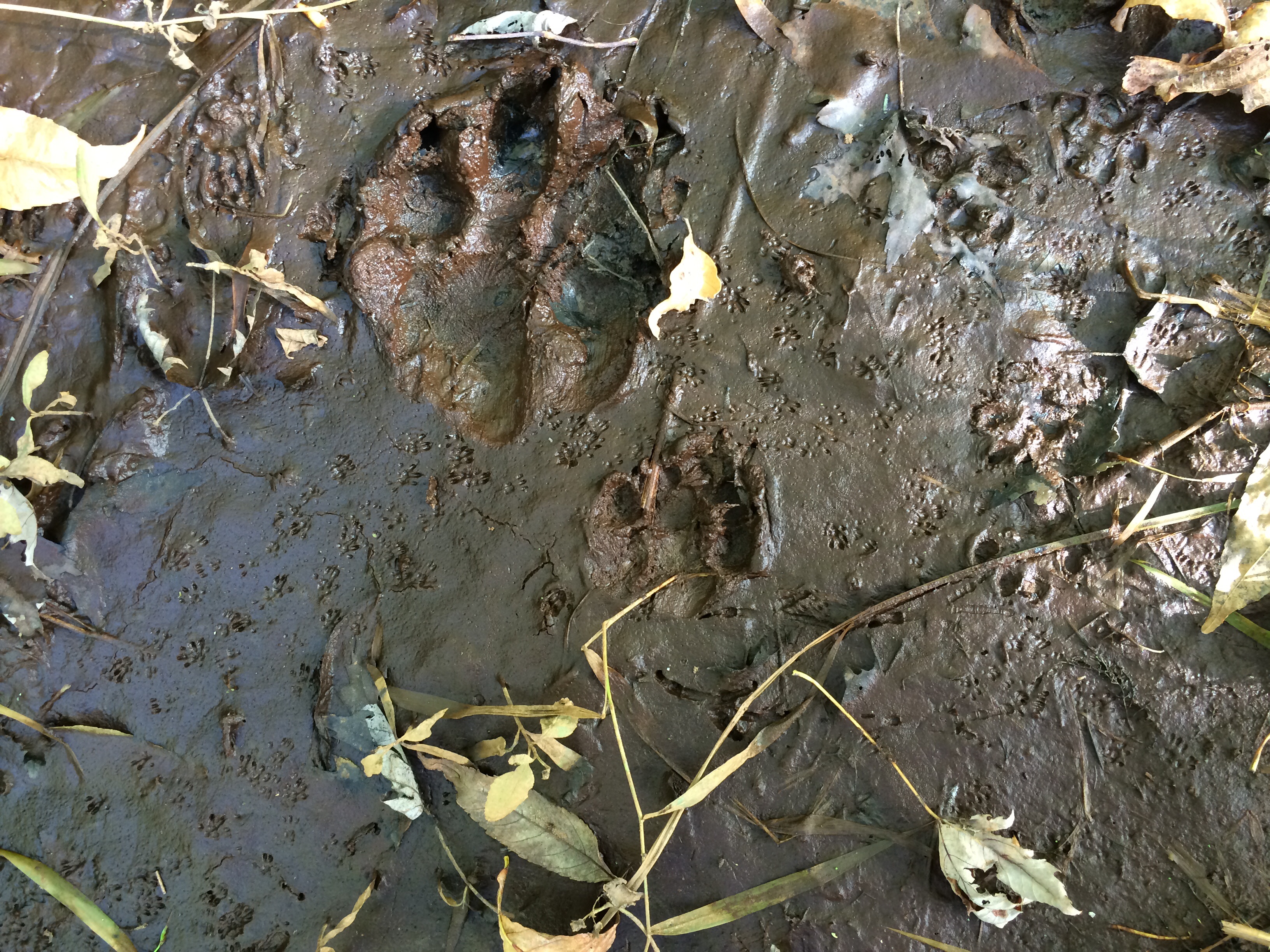
yes, a bear does this in the woods


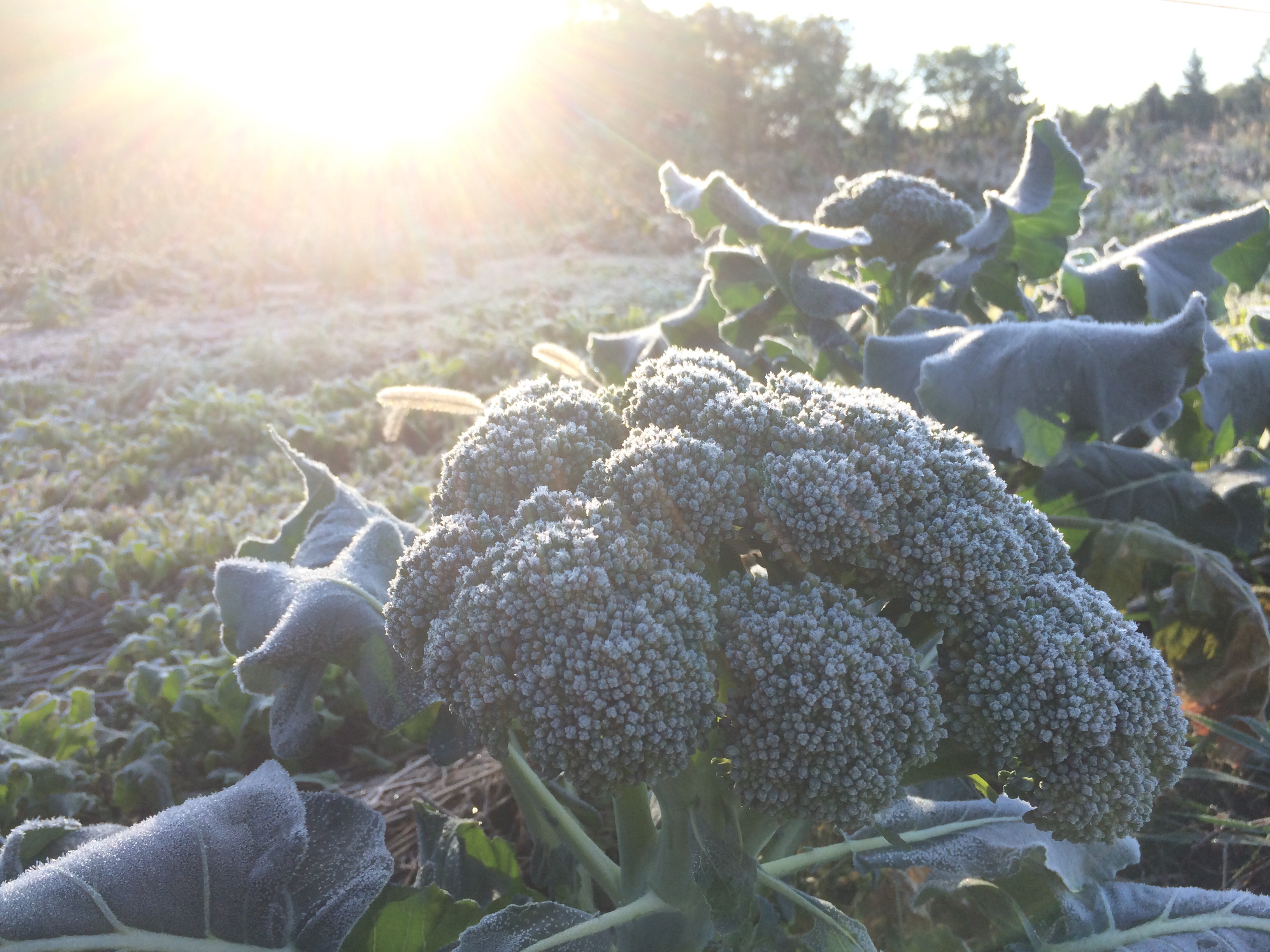
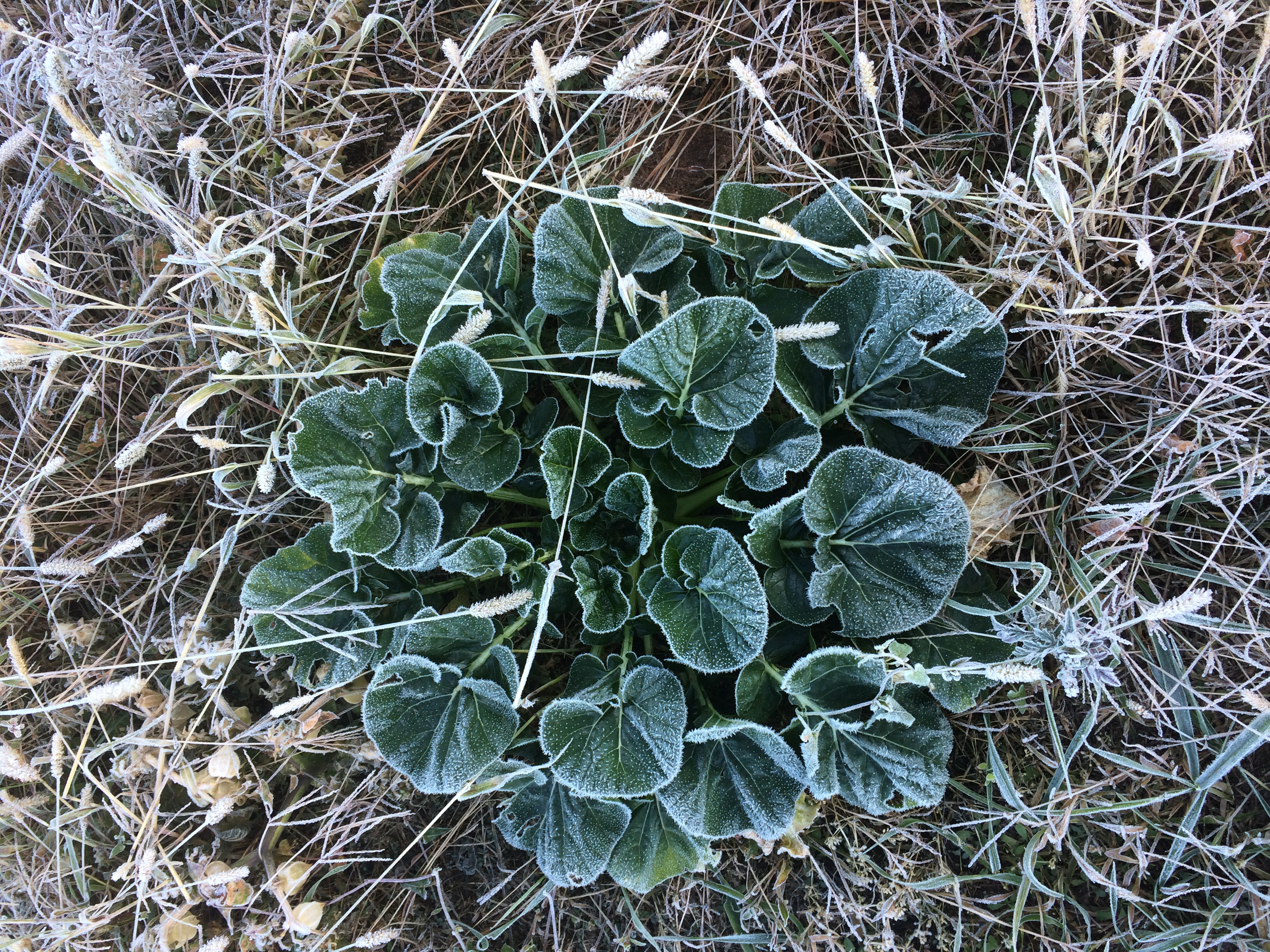
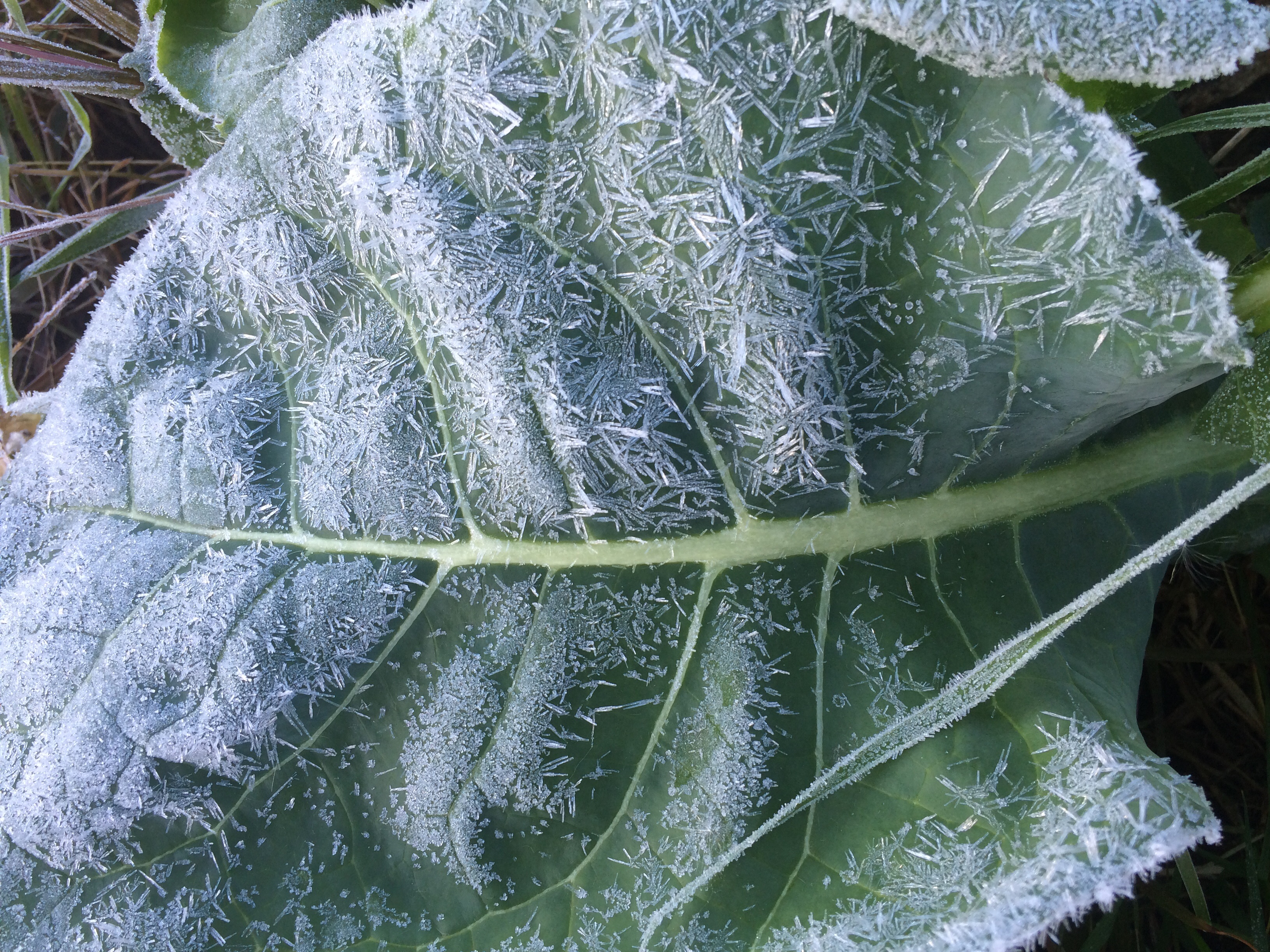
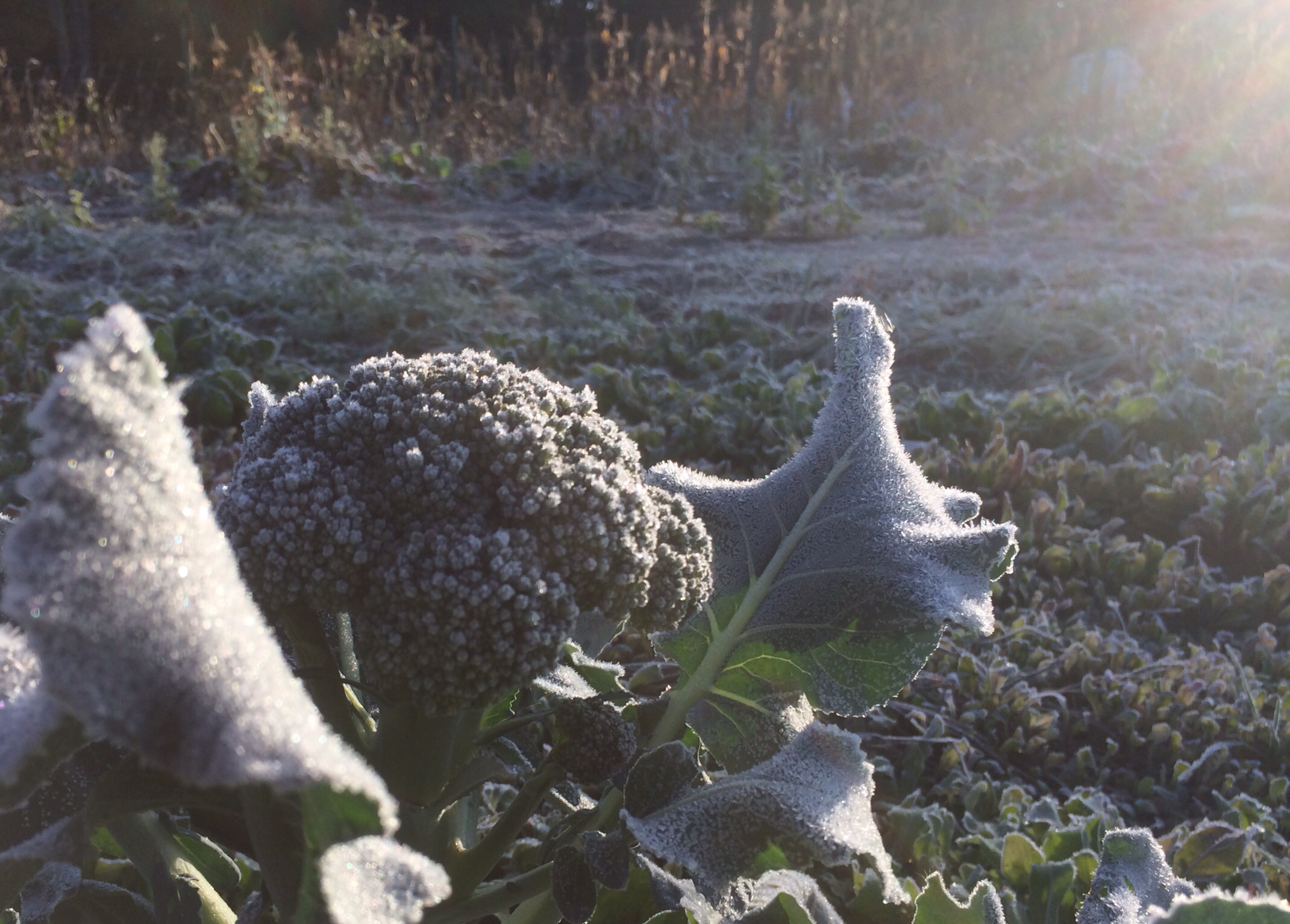
This morning, the field was covered in sparking white beneath the lunar eclipse – frozen again. Most vulnerable crops were already dead, but even some cold-hardy plants took damage.


image image image

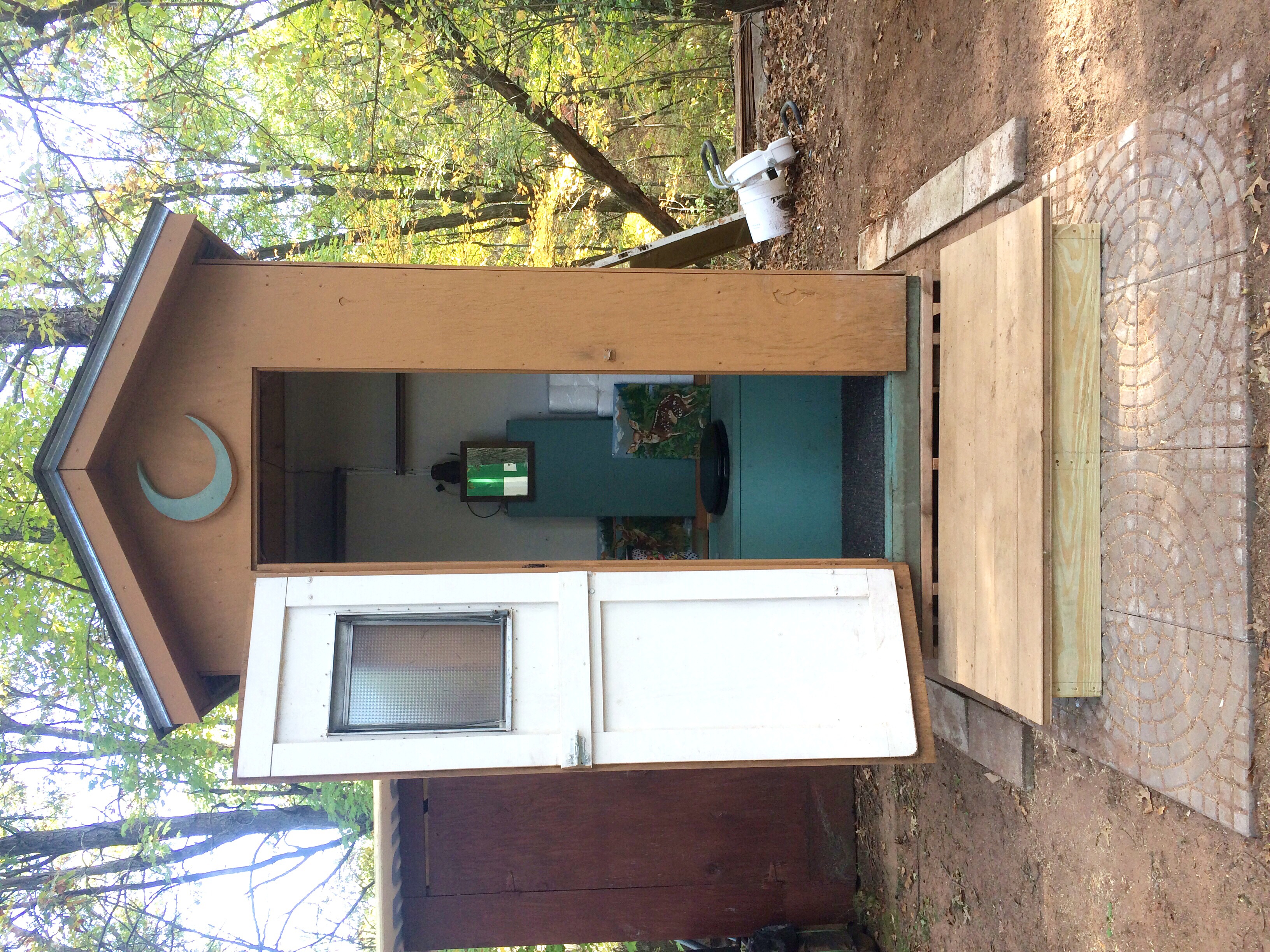
We finished the upgrade of the old pit outhouse, adding a window and some art as we transformed it into a raised composter.


the Weekly Box

(Well, it’s a bag this week – we didn’t have enough boxes to give out and figured this was best for everyone.)

image
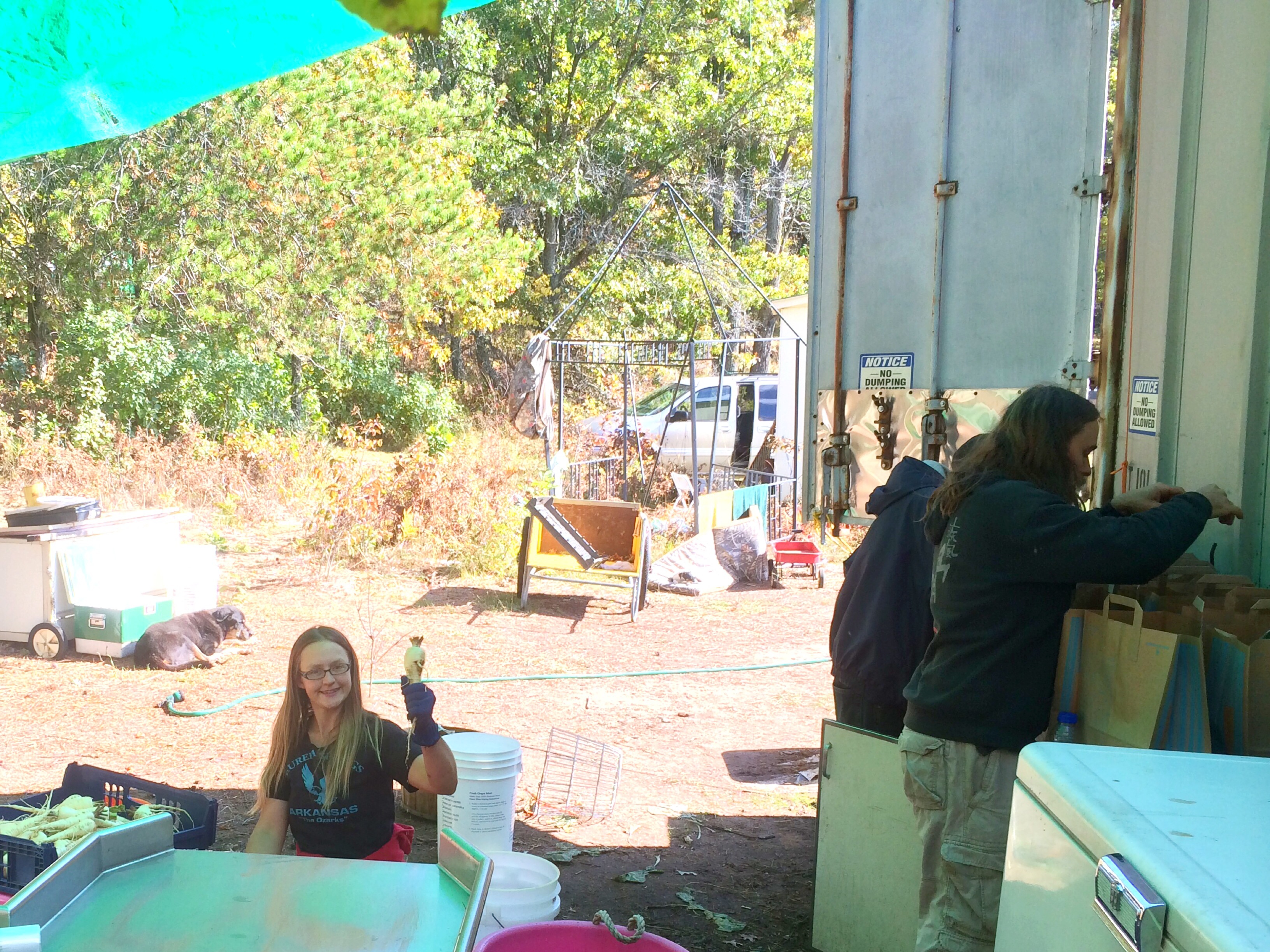
Kristin, Mark, & Florian washing veggies & packing the boxes


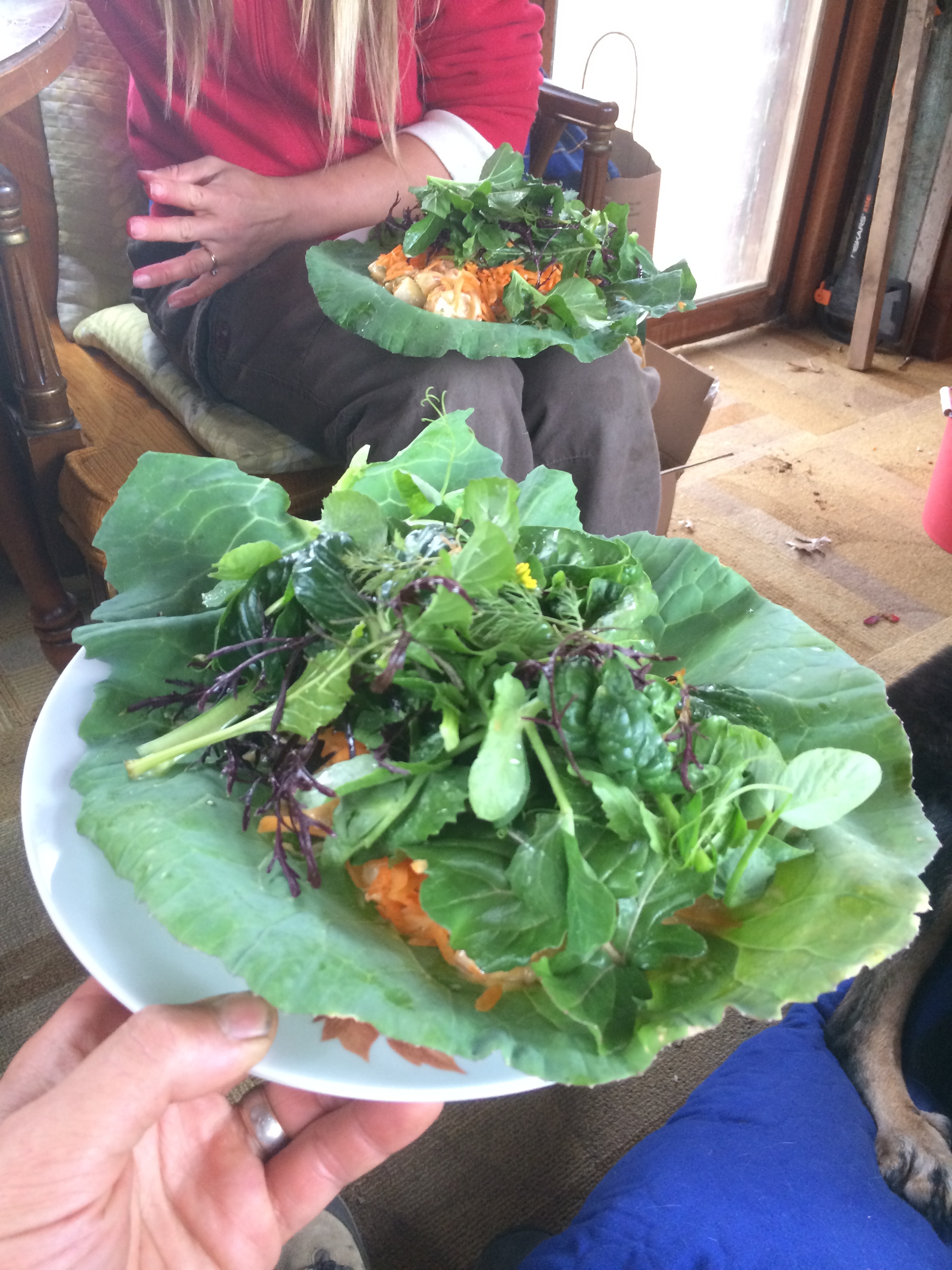
  • Salad mix – with arugula, red and green lettuce, baby spinach,  green and Ruby Streaks Mizuna, pea tips, baby kale, sheep sorrel, and baby Bok Choi
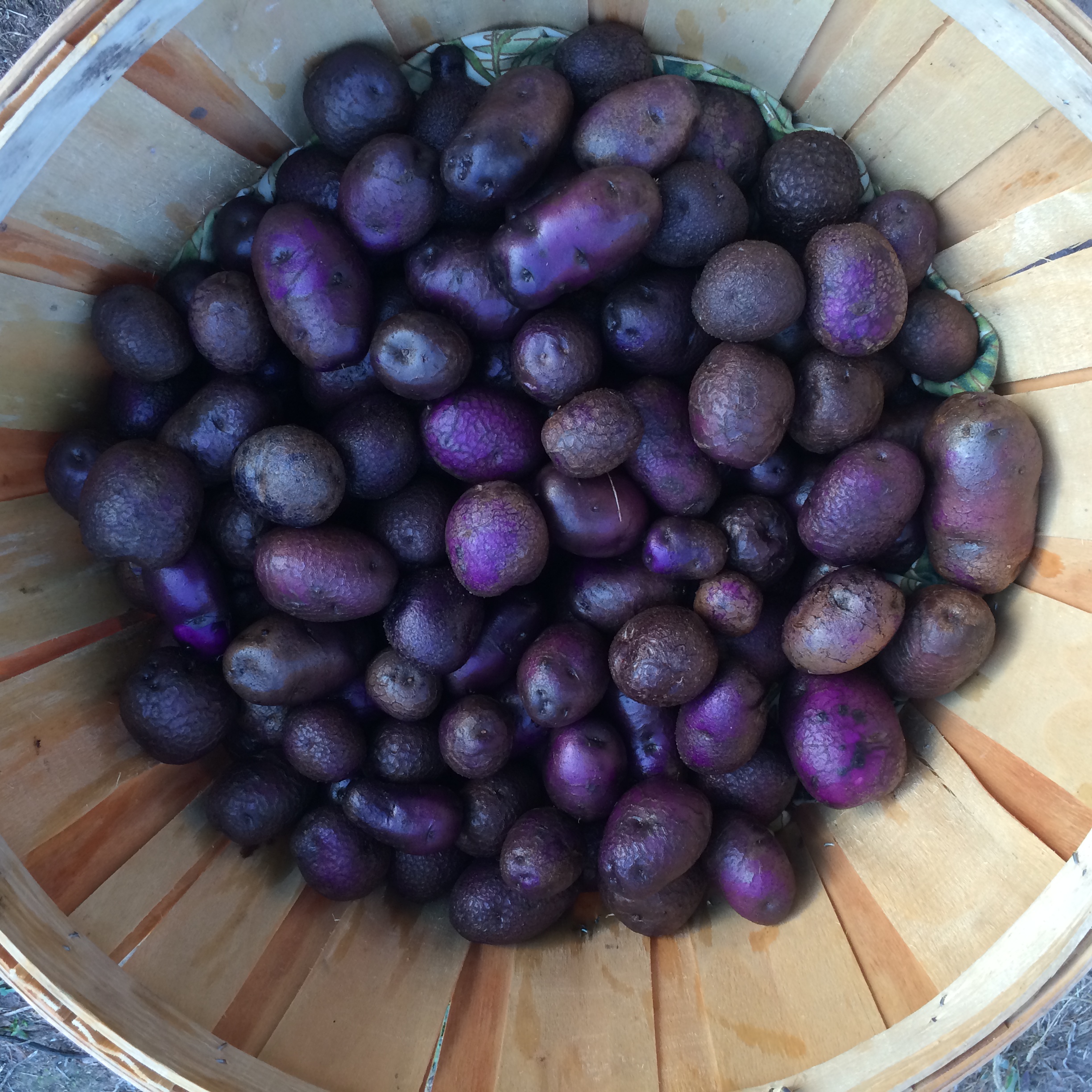
  • Potatoes
  • a Gourd or three
  • Peppers
  • Parsnips – best roasted. Most people don’t love them on their own, but they are a great component in a soup or roasted vegetable mix. We cut the greens off not only to maintain fresh crisp texture, but because they are toxic – they make any skin that they contact prone to being burned by the sun. So we didn’t include those in the box.
  • Broccoli – from the fall planting

image

  • Green onions
  • Kale (Dino, Red Russian, & Dwarf Curly Blue)
  • Parsley – dries well if you want to save it or later – simply tie the bundle and hang it somewhere dry and out of direct sunlight, leaves down/stems up.
  • Carrots
  • Daikon Radish – we left the greens on these so you could easily tell them apart from the Parsnips – cut them off when you get home though, to keep the radish from getting soft prematurely.


the Weekly Pics

image

image
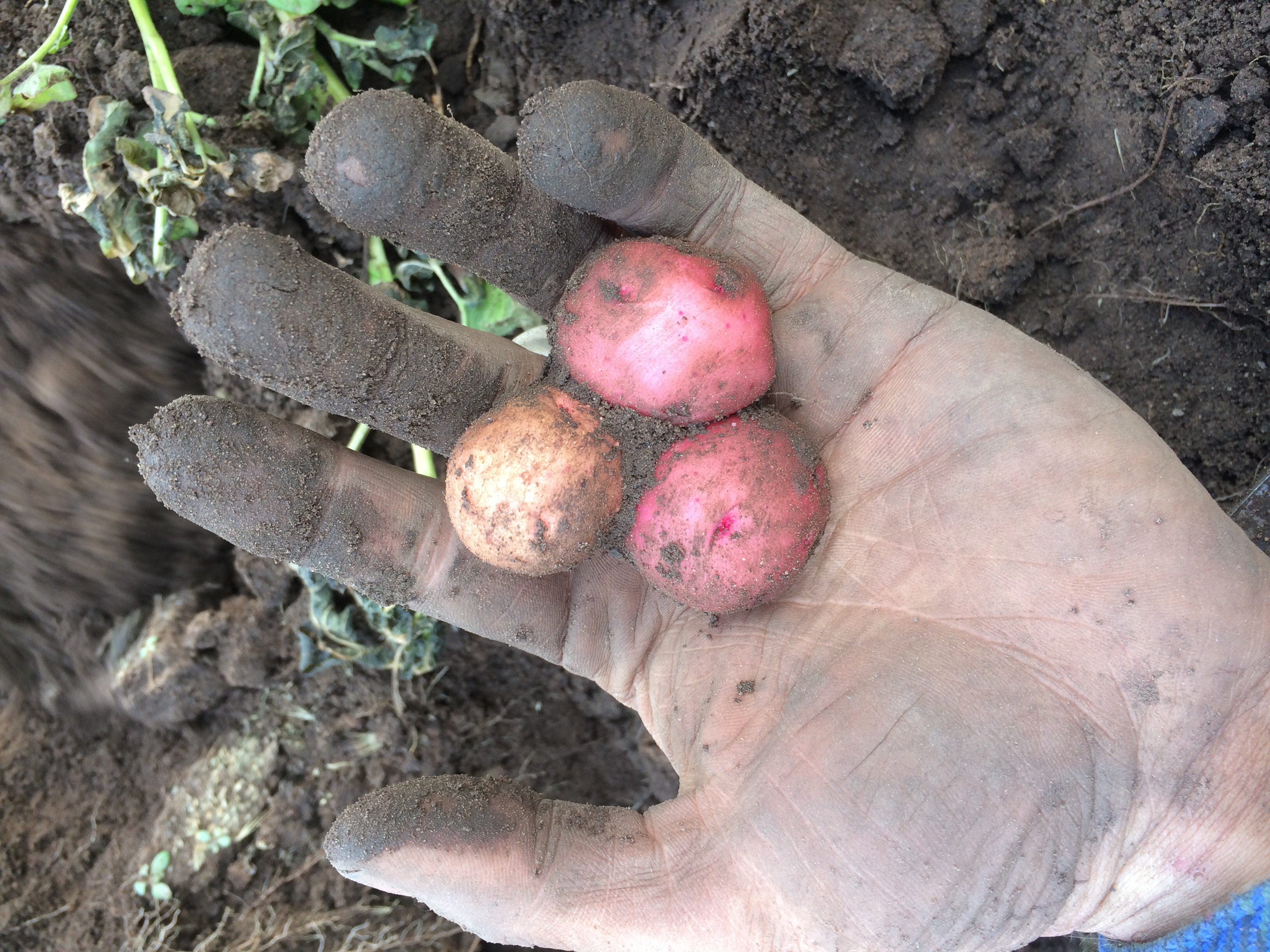
bi-color tri-globe potato

imageimage

image    image image image

image
accidentally-matching outfits yet again


CSA Week 17 – Wasps & Wet

the Weekly News

Well, the beautiful Indian Summer faded away this week, but we didn’t get frosted again – the days have been pretty nice still, with nighttime temps falling into the woodstove range. The crops that survived the early frost are happy. revitalized by the previous week of sunshine, and quenched by the occasional rainfalls we’ve had this week.

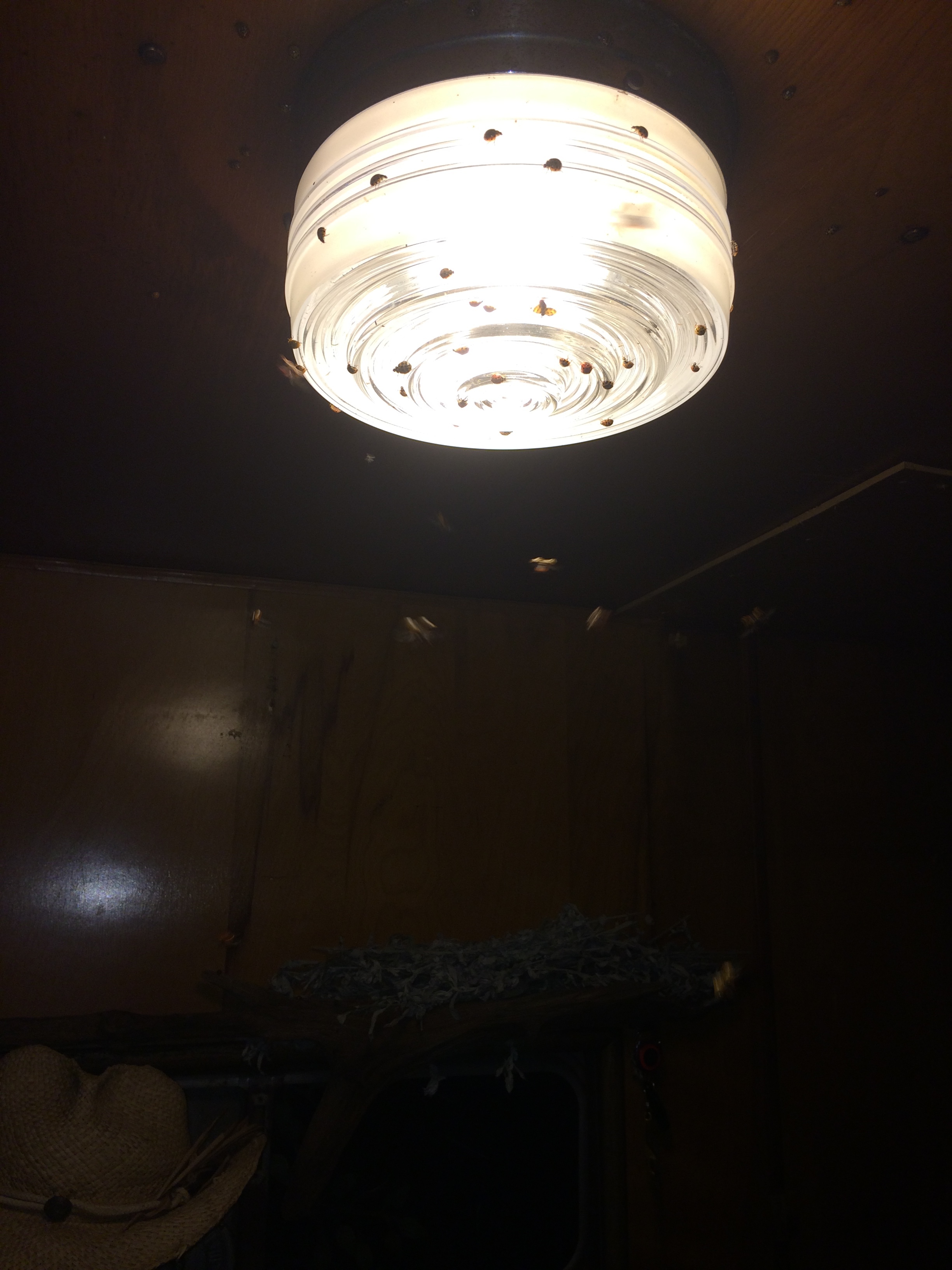
This was the week of lady beetles and wasps all over the trailers, inside and out. The wasps look scary but are not aggressive at all. The lady beetles look cute but bite and stink, especially if you mess with them.

IMG_3422

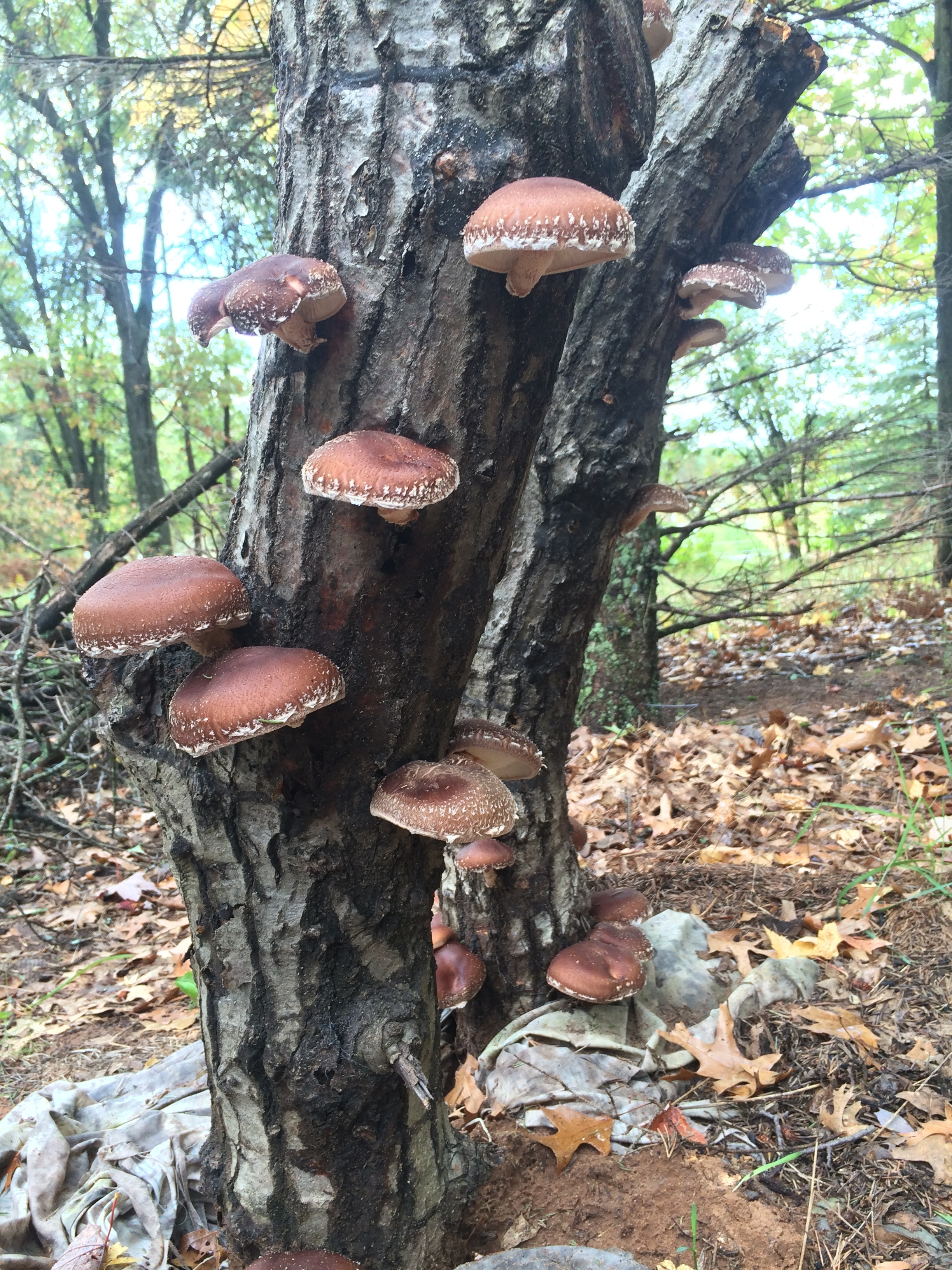
The two old shiitake logs sprouted from the bath we gave them, after all – we’re excited for next year, when the 20 or so logs we inoculated this spring will be ready to start producing.

IMG_3426

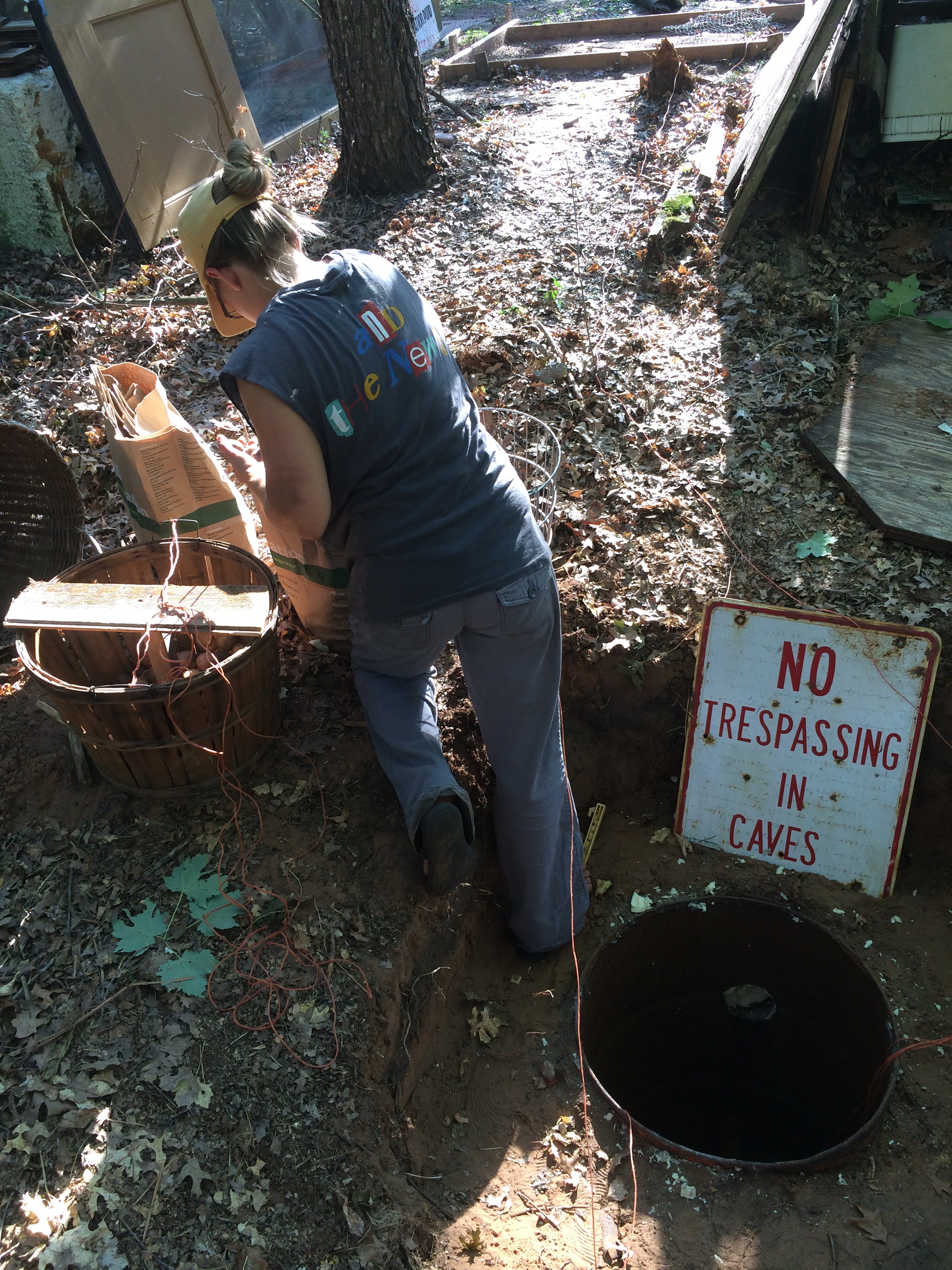
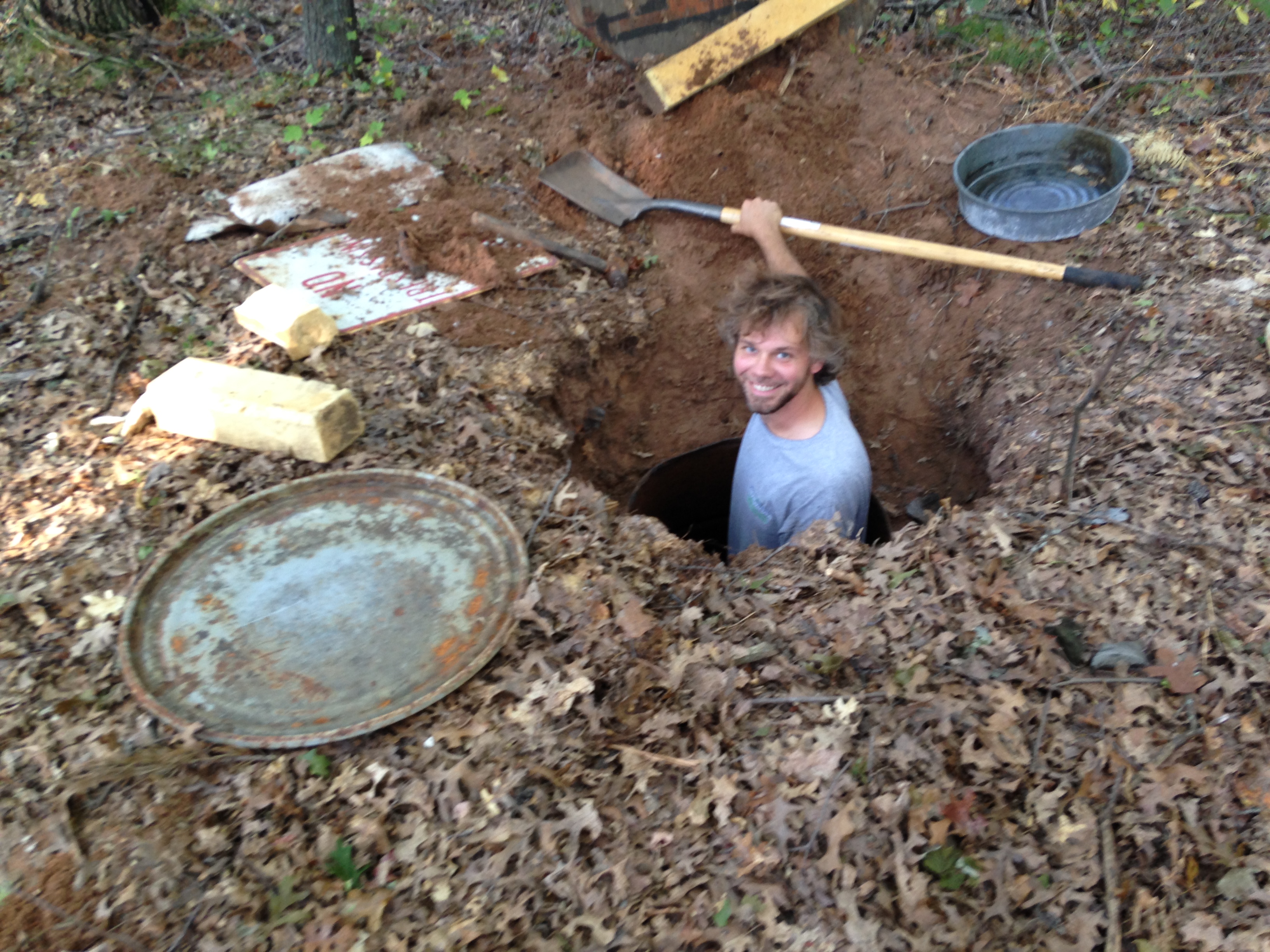
The buried hole Gabe found a week or two ago was transformed into a potato root cellar, with stacked baskets on cords, capped with an insulated and vented lid.

IMG_0080 IMG_3417

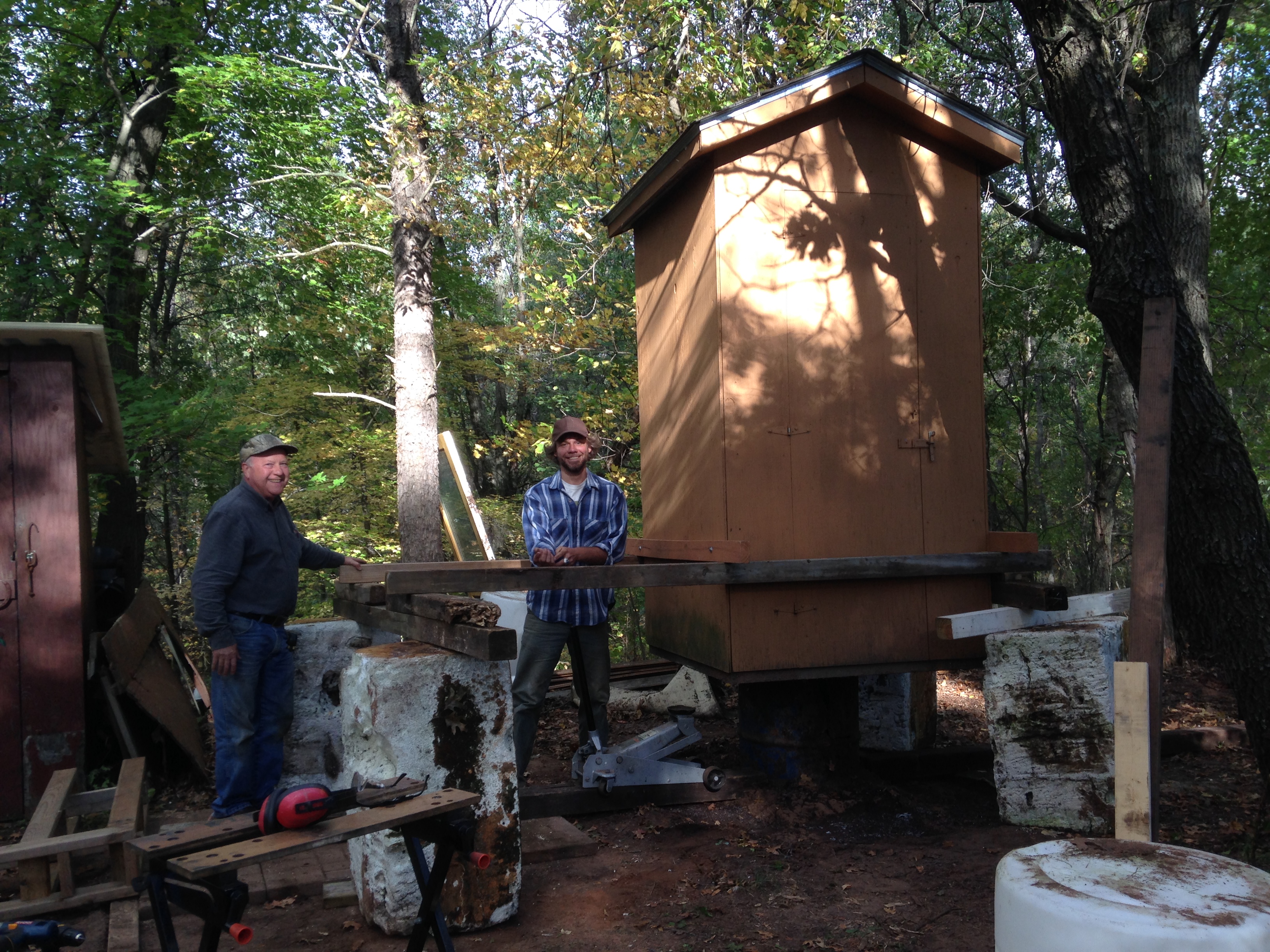
The outhouse was moved off of its partially-buried waste barrel, and moved onto a new platform, for a new incarnation as a composting toilet … and we only ALMOST lost control of it and crushed someone.

IMG_0092

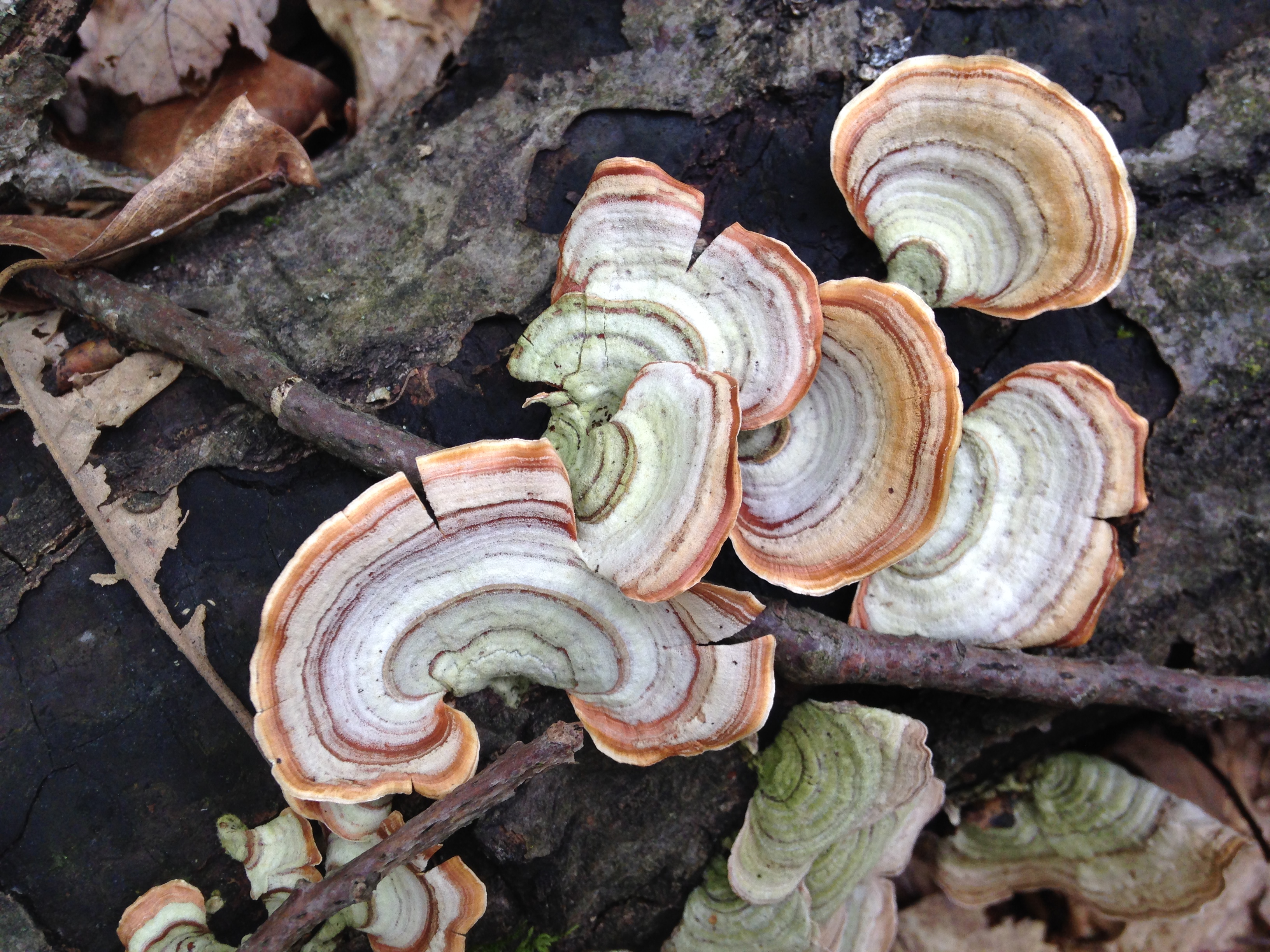
In the woodlot, we marked big maples and standing dead oaks so we could tell which ones were eligible for Maple syrup tapping or firewood, once winter robbed the living of their leaves.

We explored the strange logging roads that meander and dead end all throughout the Barrens, and Kristin canned tomato juice.

IMG_0086 IMG_0084

We found a good home for our three hens, since we’ll be gone over the winter months.

IMG_3471
final evening in the yard


Today we took a break from the endlessly rainy and hypothermic harvest to regain sensation in our fingertips with the help of the woodstove.

It was certainly a memorable and interesting harvest day, if difficult and not all that pleasurable. We were happy to see how capable we were of adapting and dealing with it, with the semi truck trailer turned into the packing house.


the Weekly Box

Weatherman sez: Winter is coming to kill the plants. Lows for the coming week may hit the 20s – so enjoy your peppers, your eggplants, and your tomatoes, because they’re done for after this!

  • Fall Salad mix (with Arugula, two types of lettuce, pea tips, a bit of spinach, red and green Mizuna, baby kale, sheep sorrel, and sunflower greens)
  • a new Gourd for your collection
  • Carrots
  • Eggplant (White or Purple)
  • Tomato Mix
  • Pepper Mix
  • Radishes (Black Spanish & China Rose varieties)
  • Rutabaga
  • Beets & Beet Greens

Speaking of boxes – if you want to drop yours off during the week (if it’s hard to arrange to have them with when you pick up next week), feel free to do so at the drop location whenever it’s convenient.

We’re nearing the end now … looks like next week will be the final box of 2014!


the Weekly Pics

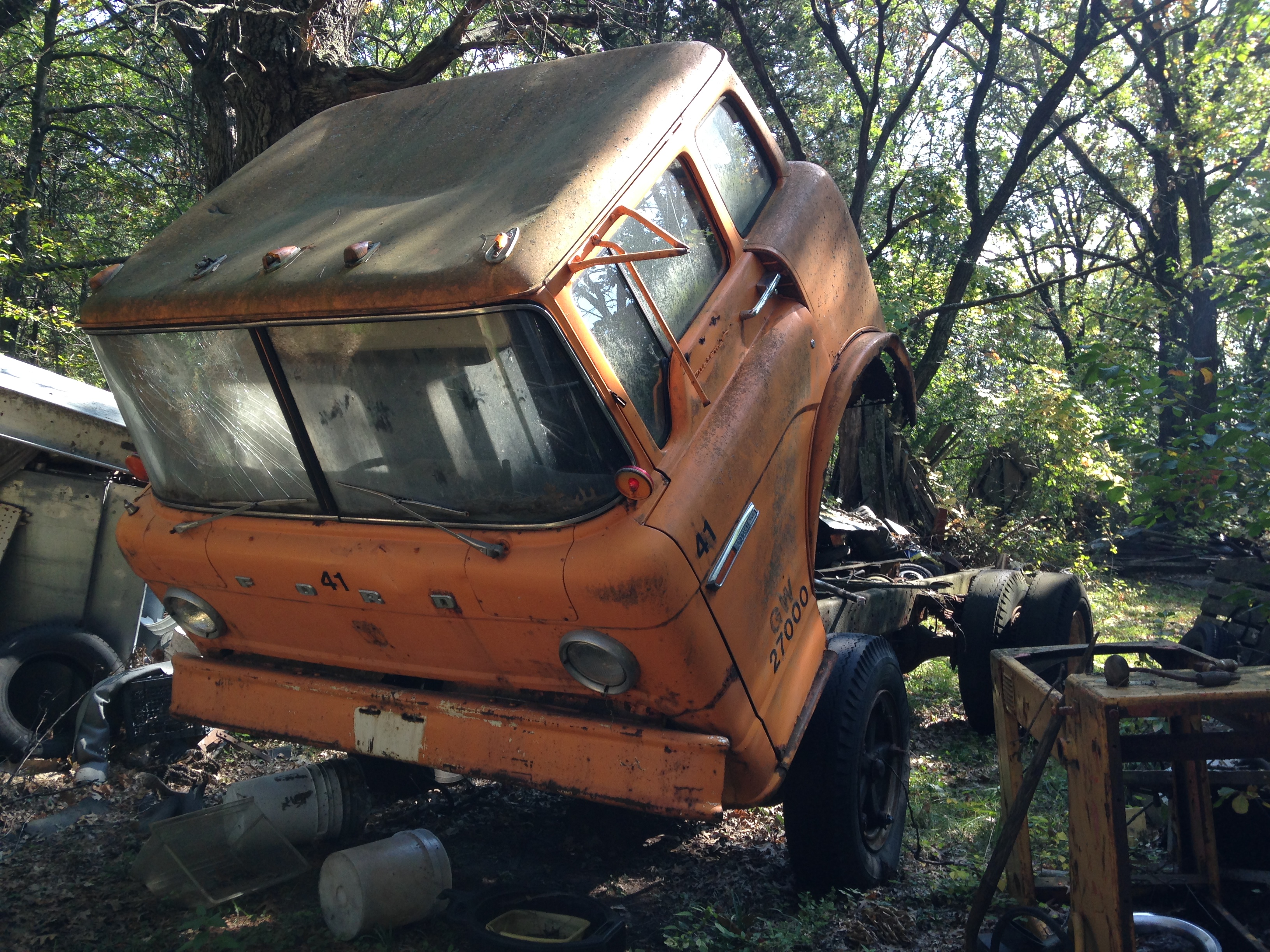
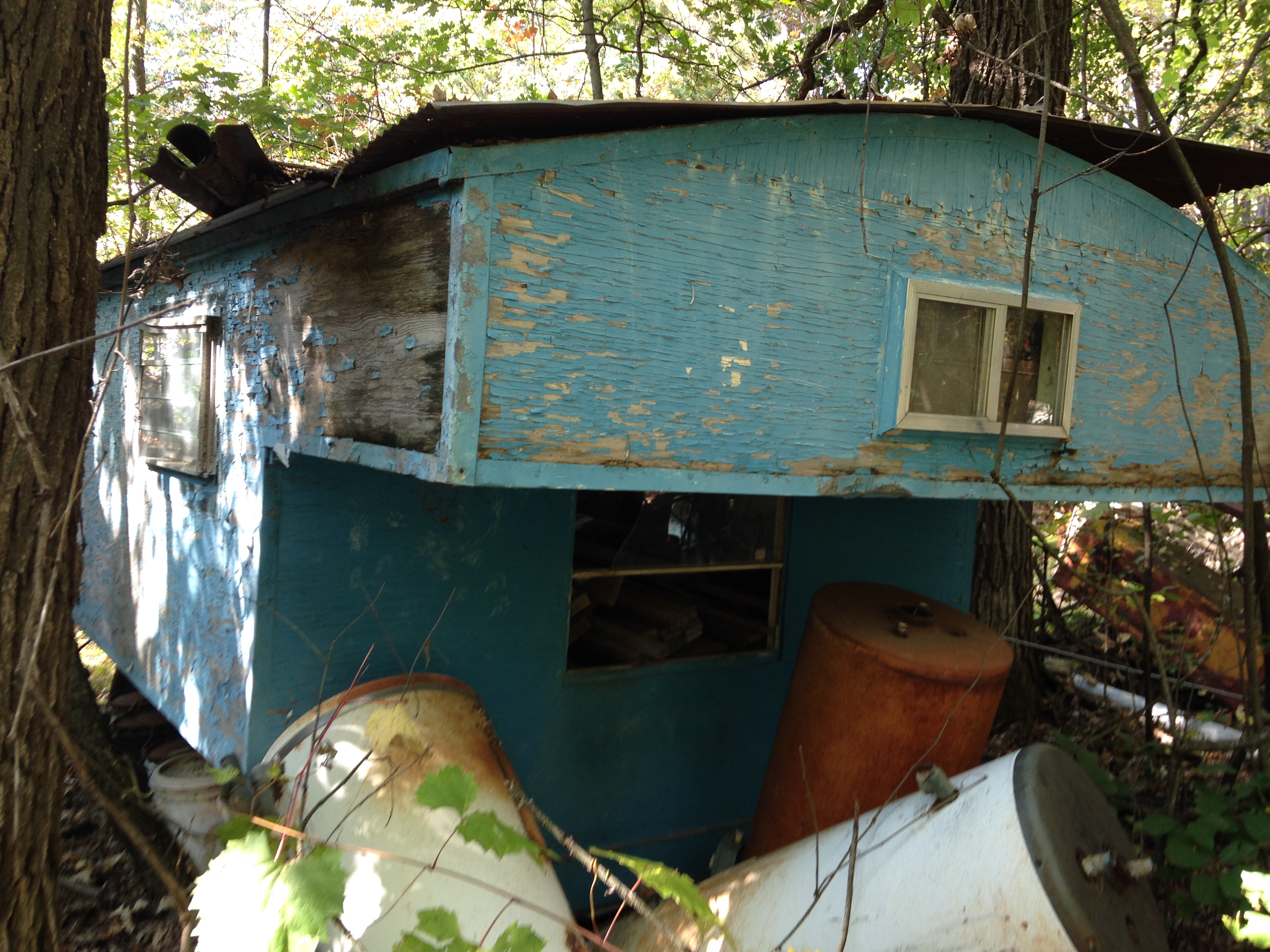
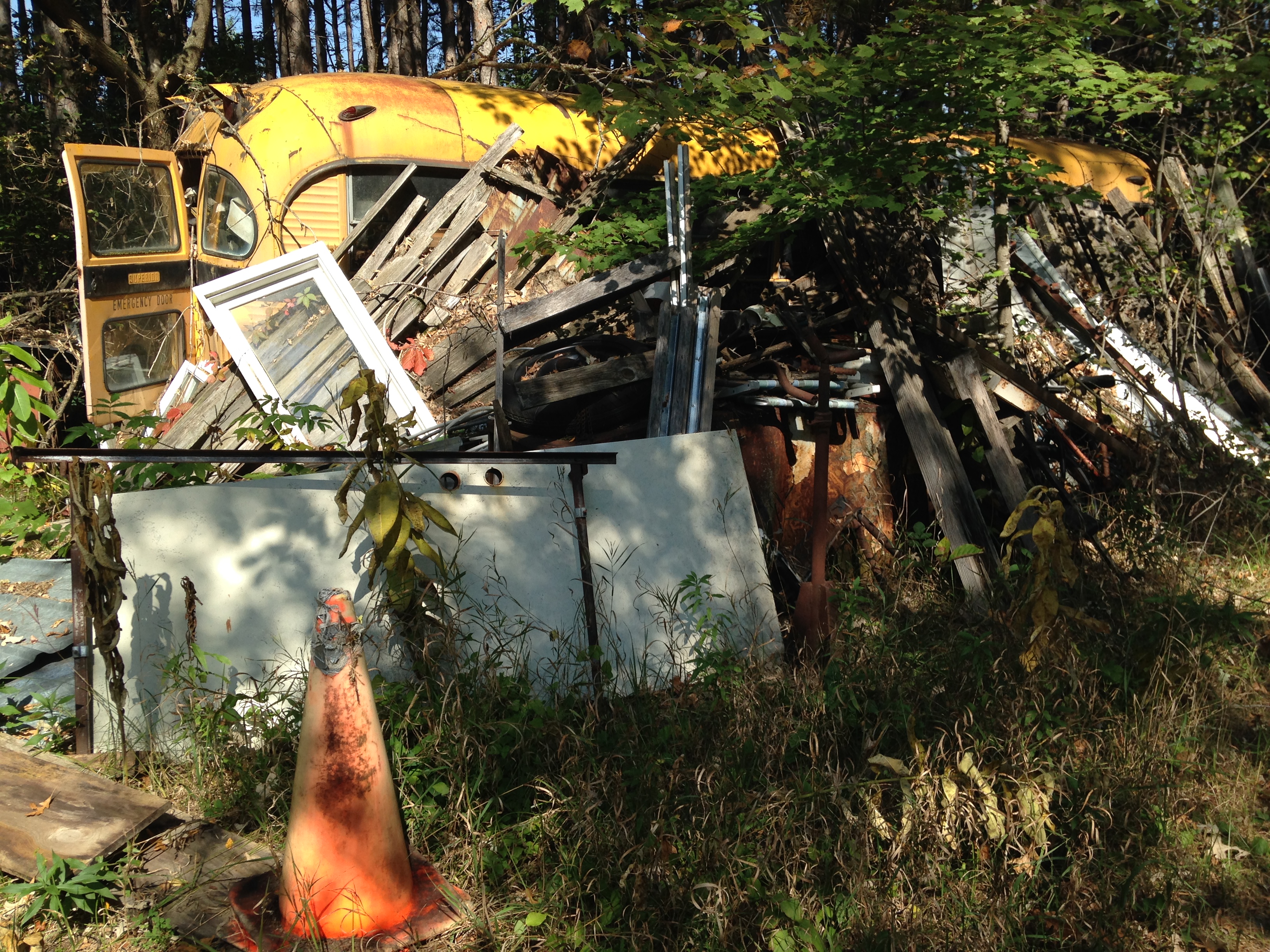
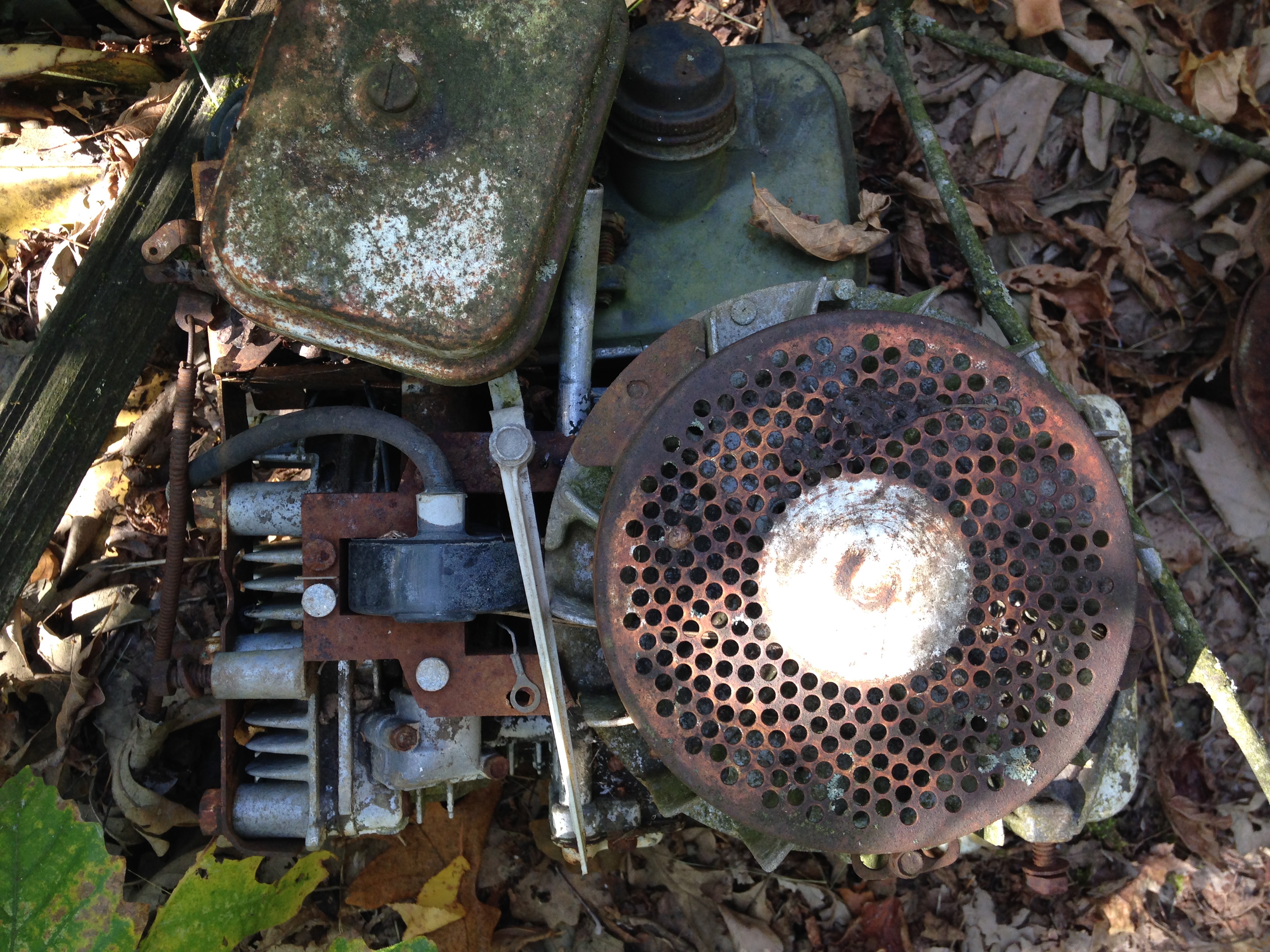
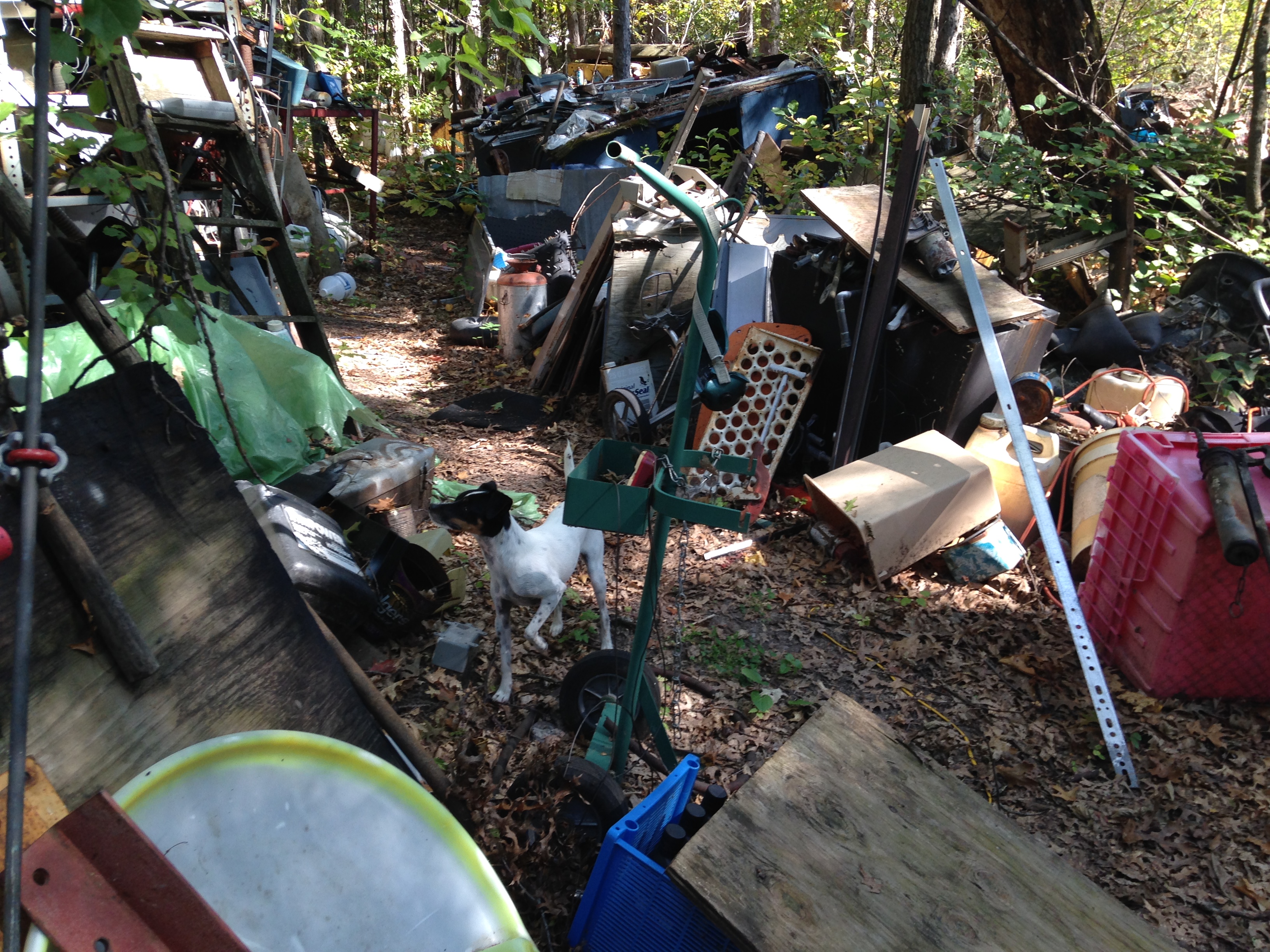
(we visited a 40-acre hoarder’s private junkyard)

IMG_0075 IMG_0073 IMG_0072 IMG_0071 IMG_0069 IMG_0067 IMG_0066  IMG_0064 IMG_0062 IMG_0061 IMG_0056 IMG_3399 IMG_3409 IMG_0098

IMG_3318
Kristin making a delivery into corporate box land

IMG_3353b

Sweet Week 16 CSA Newsletter

the Weekly News

image


After the cold snap, this weather has been like an idealized childhood summer memory … bright, sunny, very warm but never too hot, not humid, hardly buggy … days so nice you’re sad to notice that the daylight is ending hours earlier.


image

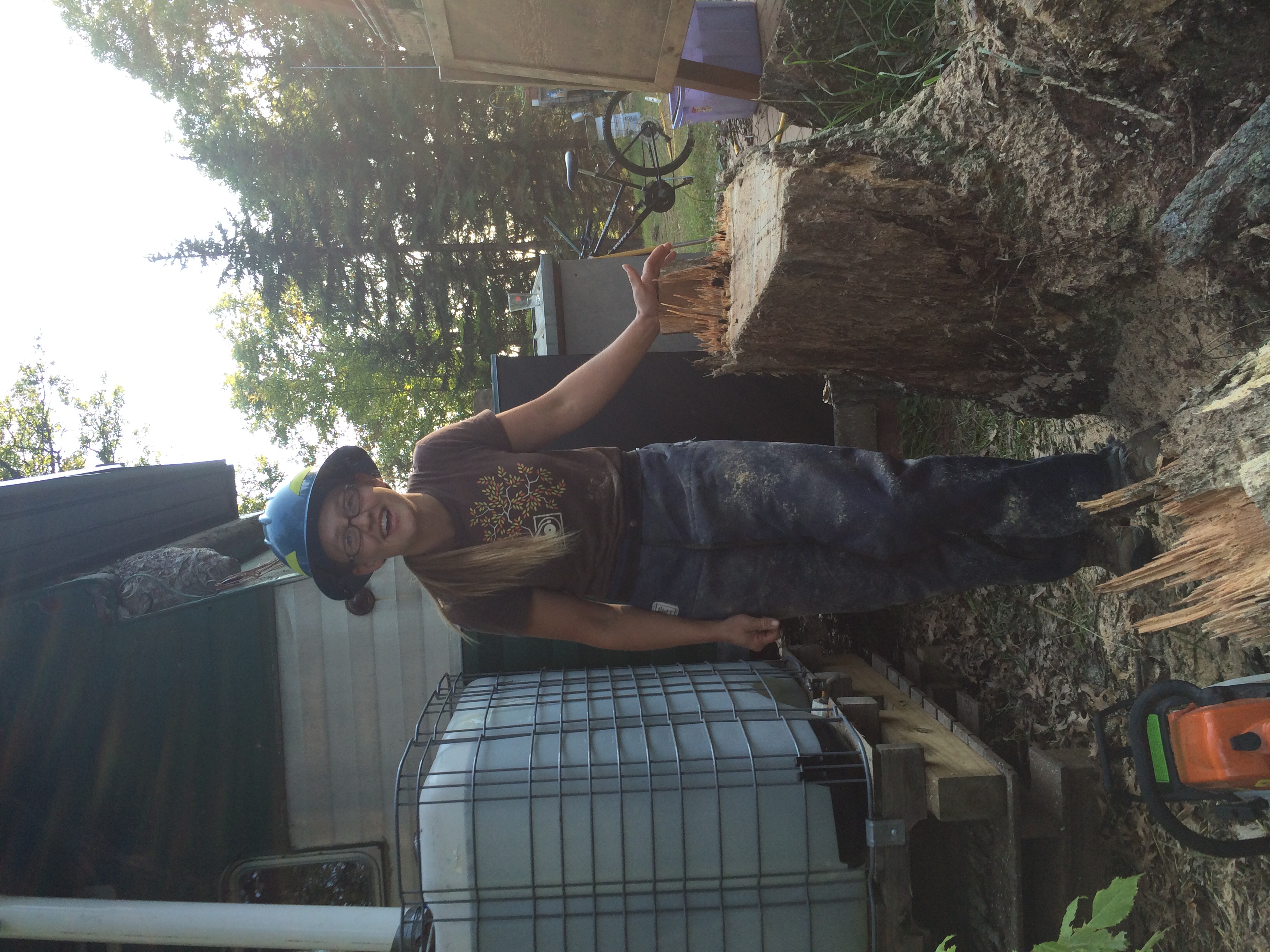
This week, we finally cut down the “Ultimate Ticking Time Bomb” – the dead oak that leaned over the trailer and loomed over our bed. Neighbor Dave brought his tractor and a long cable over, and pulled the tree away from our home while Kristin worked the chainsaw.

image
Kristin celebrates a textbook tree-felling

The UTTB was quite picturesque, and we enjoyed its constant threat as an opportunity to truly embrace the “que sera, sera” philosophy, especially as we slept through a windy storm … but at the same time, it’s nice to have it gone.

Of course, the old tree didn’t go without a fight – after it was safely down and we were removing the branches, one of them broke under tension and came flying freakishly up off the ground, broken end spinning around to punch Gabe just above the upper lip, splitting his face open. Dave got us a razor to shave it to the skin, so that tape strips would hold the wound closed – although it was deep, it was remarkably clean, allowing it to mend nicely.

image

We “shocked” the old shiitake logs – soaked them overnight in one of the clawfoot tubs, in an effort to get them to fruit again … but to no avail. Little tiny numbs started to form, but they retreated after a day or so. We’re probably going to re-shock them this week and see if that will get em in gear.

image

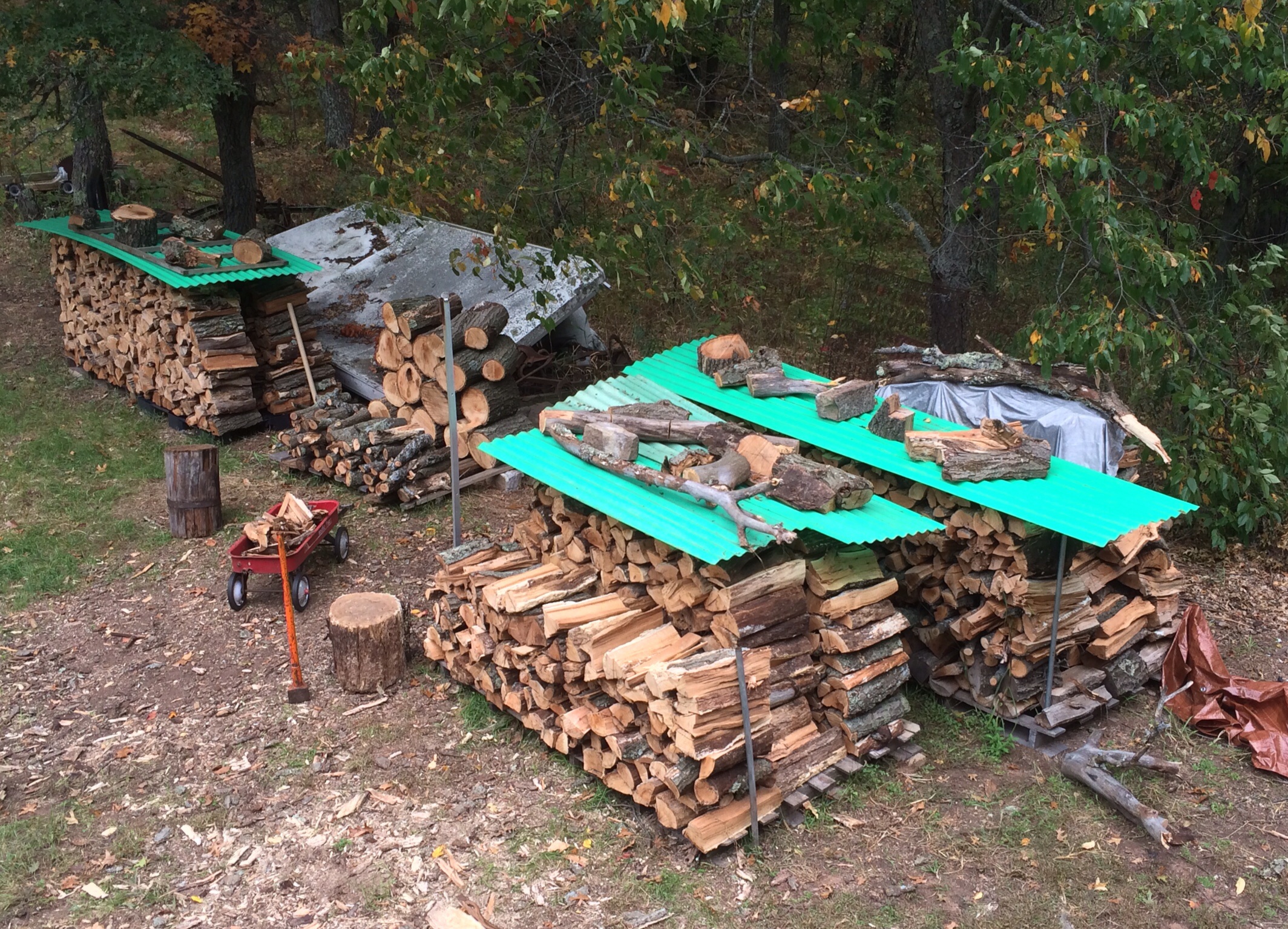
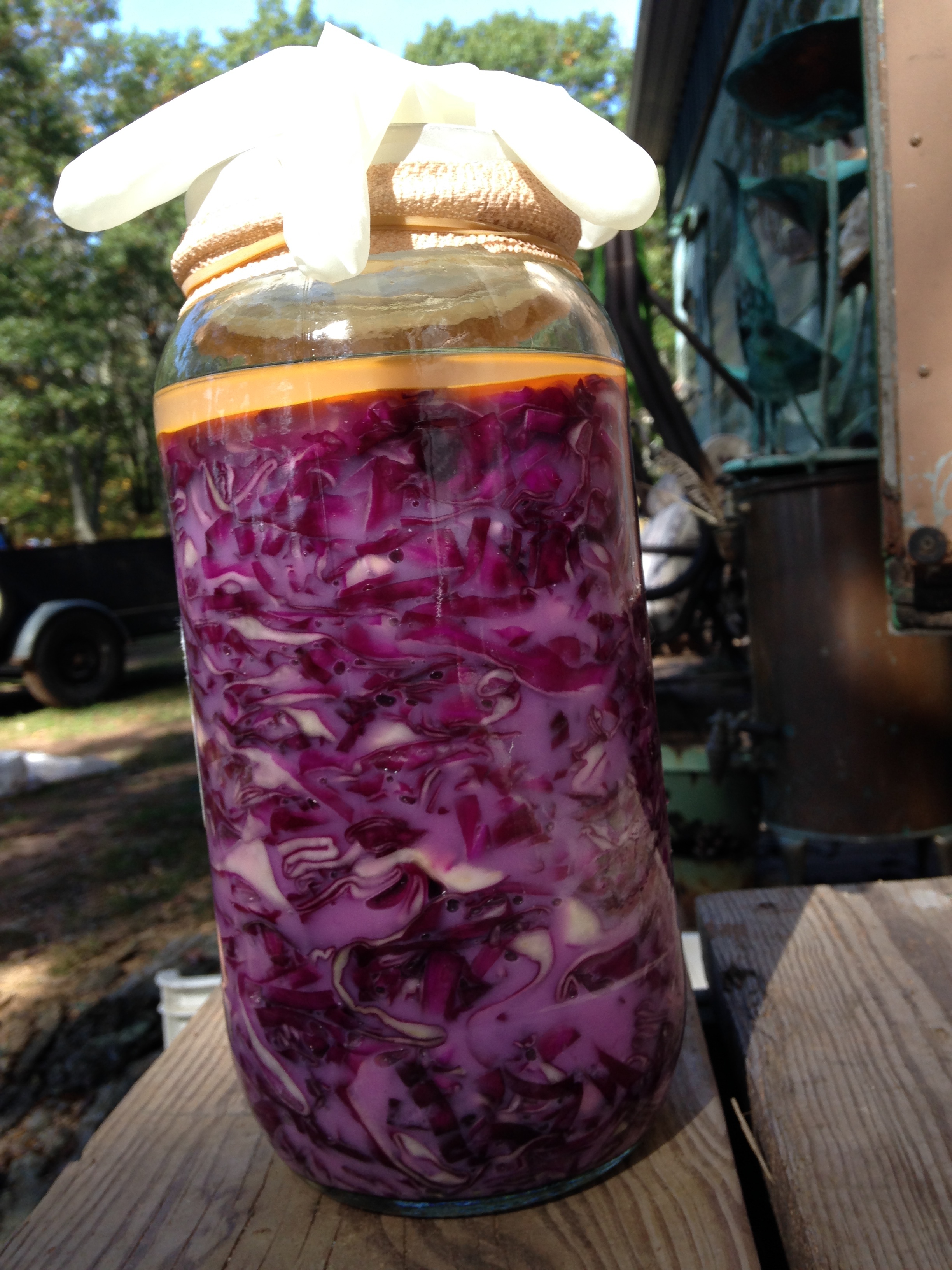
We finished snow-bracing the greenhouse, visited the logging across the road & saw bio-luminescent foxfire fungi, repaired the rotting semi trailer door, made sauerkraut with support from Market Marv (advice and materials!), cut up and stacked plenty of firewood, and built the interior of the Hugelkultur mound up way higher and thicker …

image
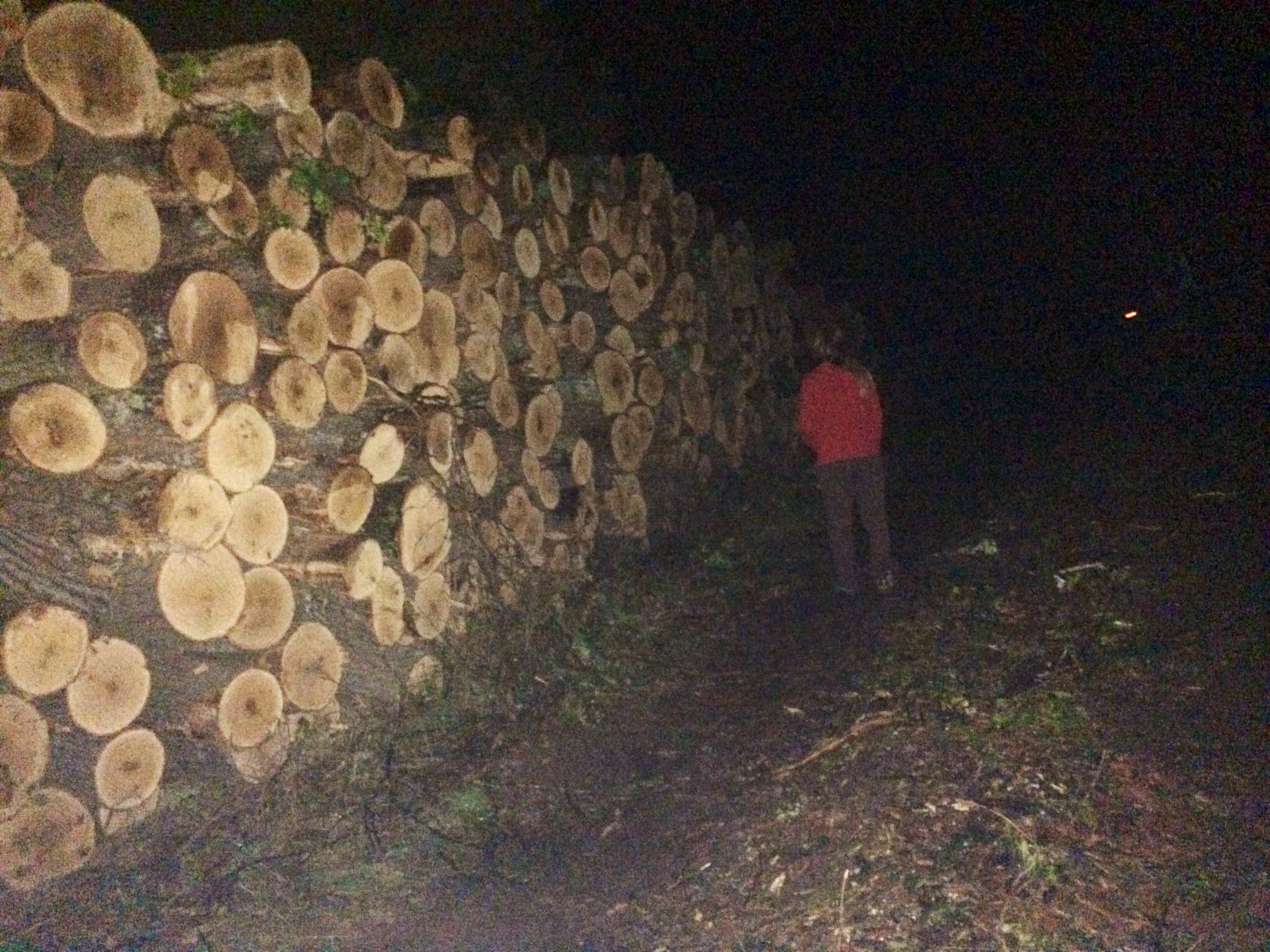
our growing woodpile (all from standing-dead or recently-fallen oaks in our wood lot) seems pretty big – but we know it’ll go fast once the cold begins in earnest … and it really seems tiny next to the massive corridor they’re amassing in the logging operation across the road:
image
hundreds and hundreds of old, live red oak logged from the Governor Knowles State Forest across the road – to profit the state’s General Fund. :(


IMG_0039
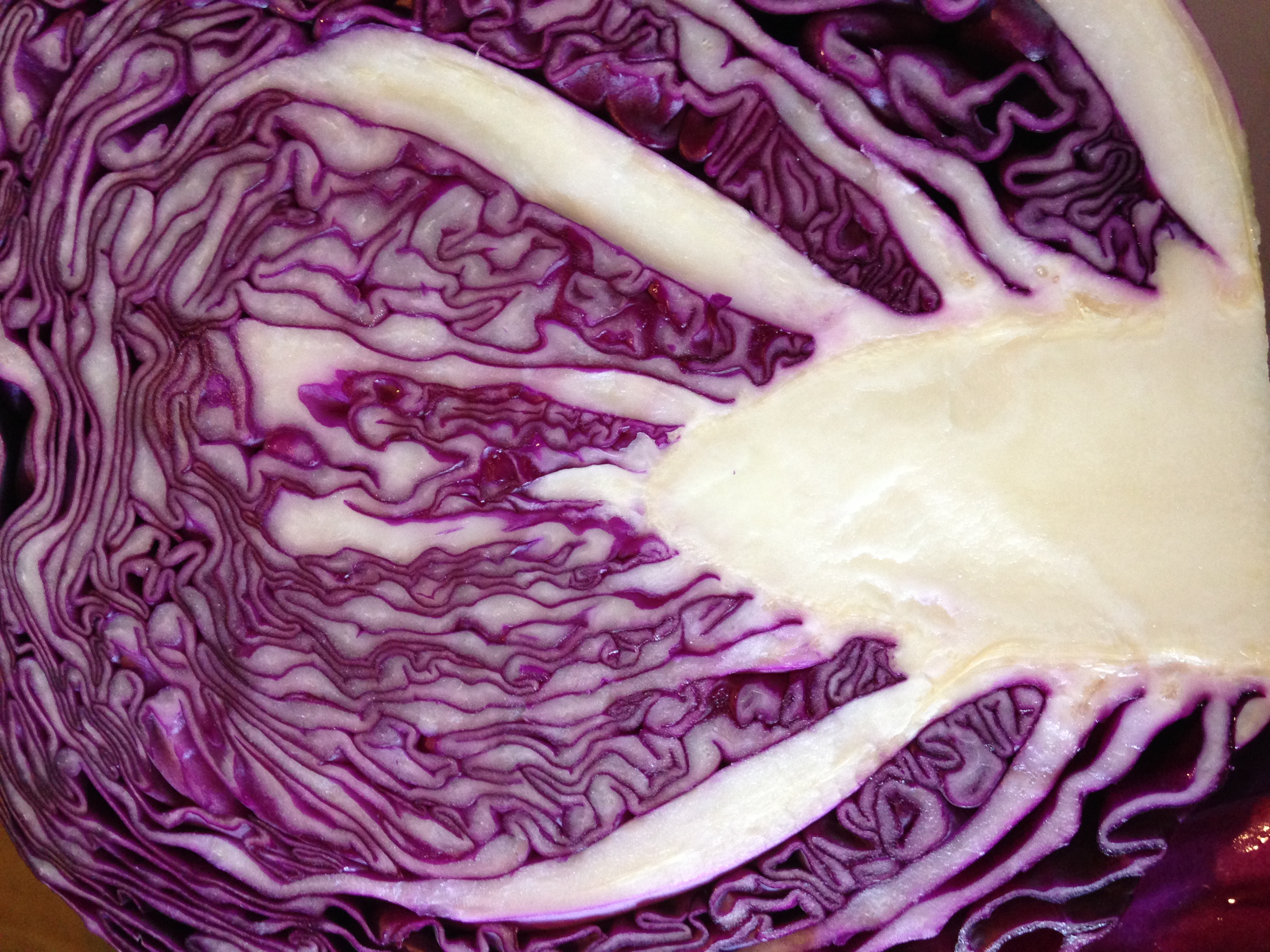
sauerkrauting – using Market Marv’s Sauerkraut Kit … whey culture, red cabbage, plus his “rubber glove and cutting baord circle” method


the Weekly Box

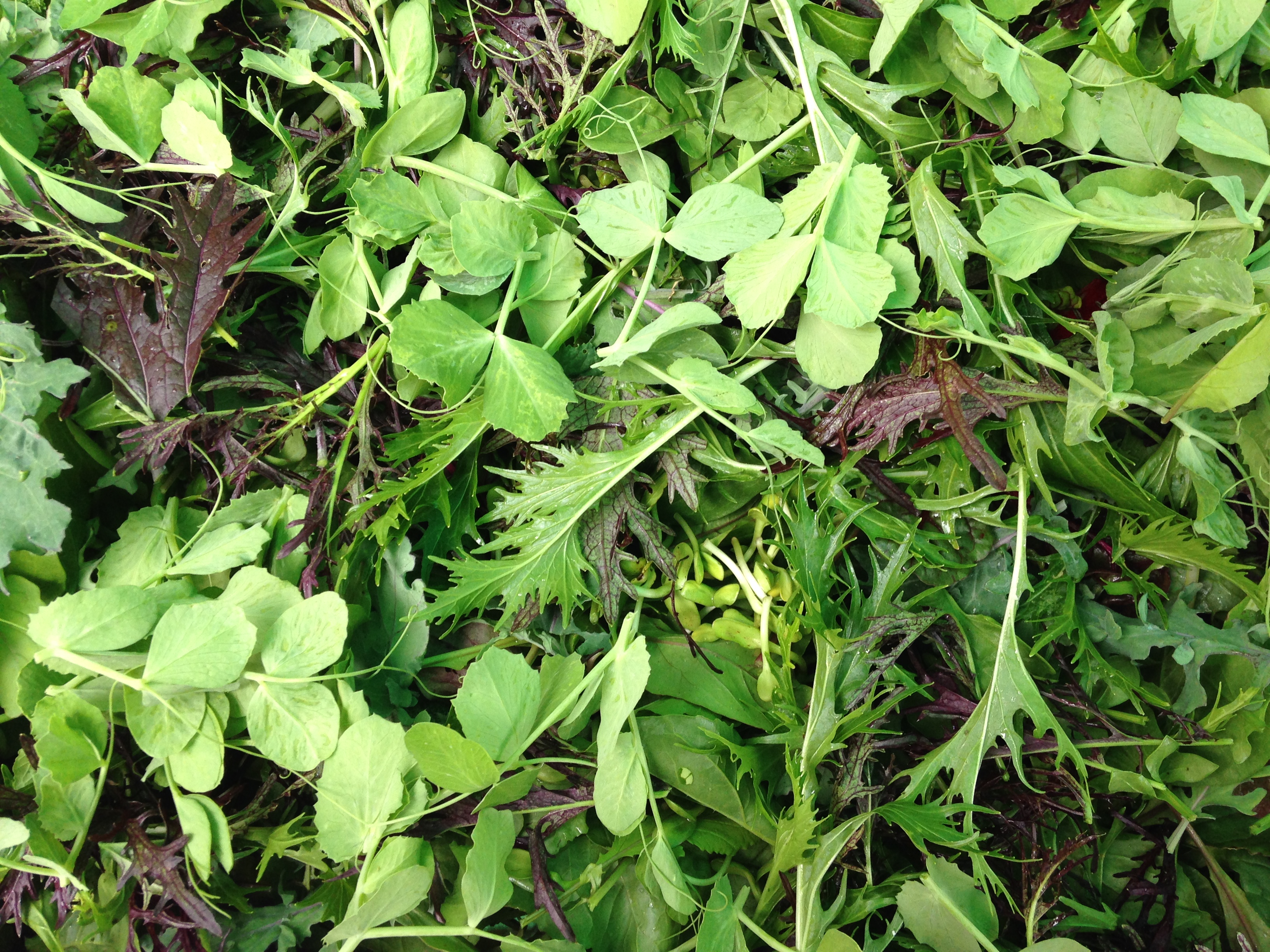
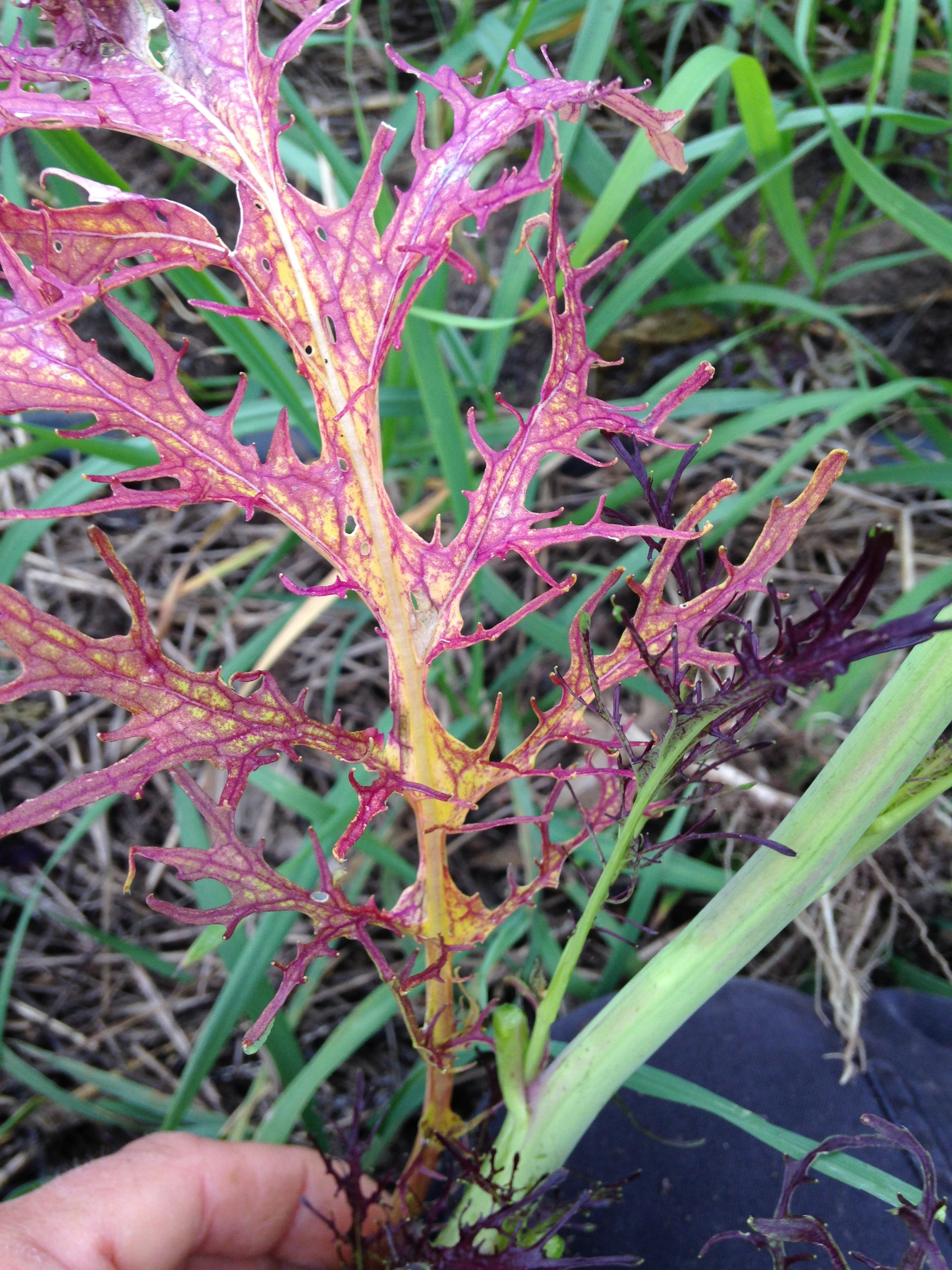
  • Fall Salad Mix!  featuring Arugula, Red & Green Mizuna, Sunflower greens, baby dino kale,  baby red Russian kale,Tatsoi , Bok Choi, baby Swiss chard,  Sheep Sorrel (a lemony & sour wild edible that we let grow where it appears), & Pea Tendrils.
IMG_0054
the pea tendril & mizuna upper layers of the Fall Salad Mix


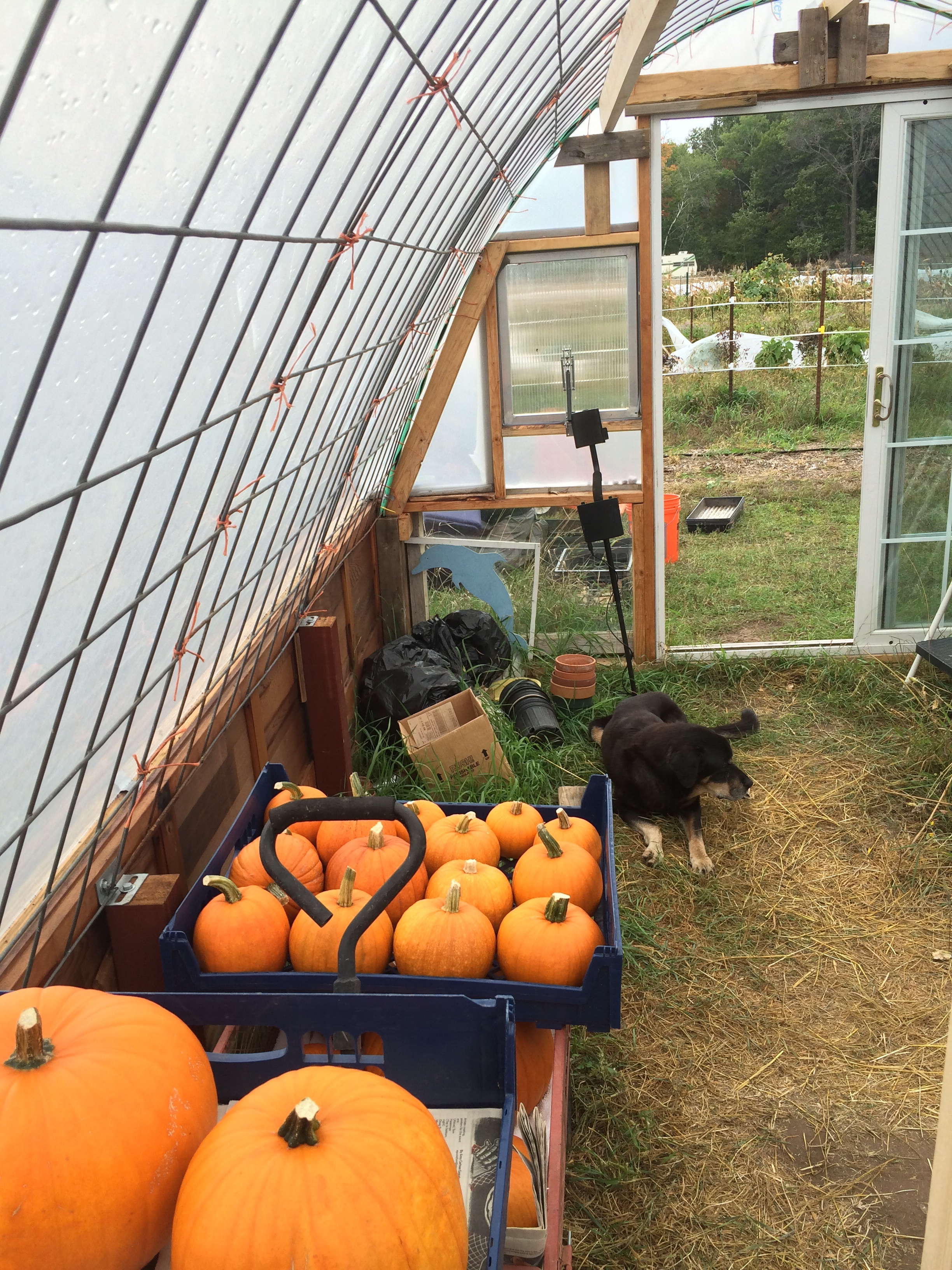
  • Pie Pumpkin – you can use these exactly the way you would any otherwinter squash; cut in half, scoop out the stringy stuff, and bake. Roast the seeds in salt and oil.  Or roast in chunks. Or puree it into soup. Or make it into muffins or bread. Or make a small jack-o-lantern!
image
pumpkins curing, Cleo chilling


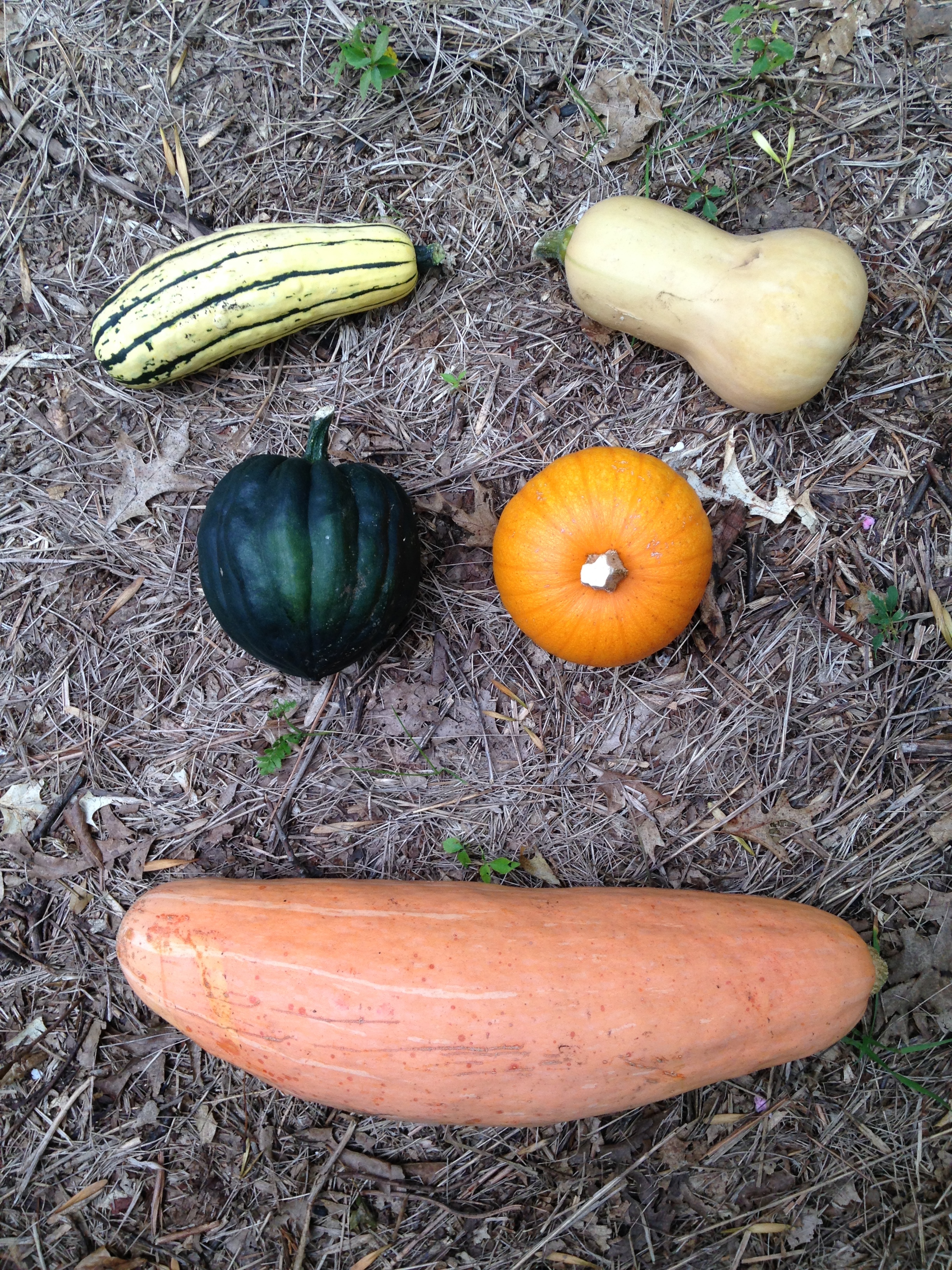
  • a Squash – either a Delacato, Acorn, Butternut, or Jumbo Pink Banana variety.
IMG_0048
hi! I am squash


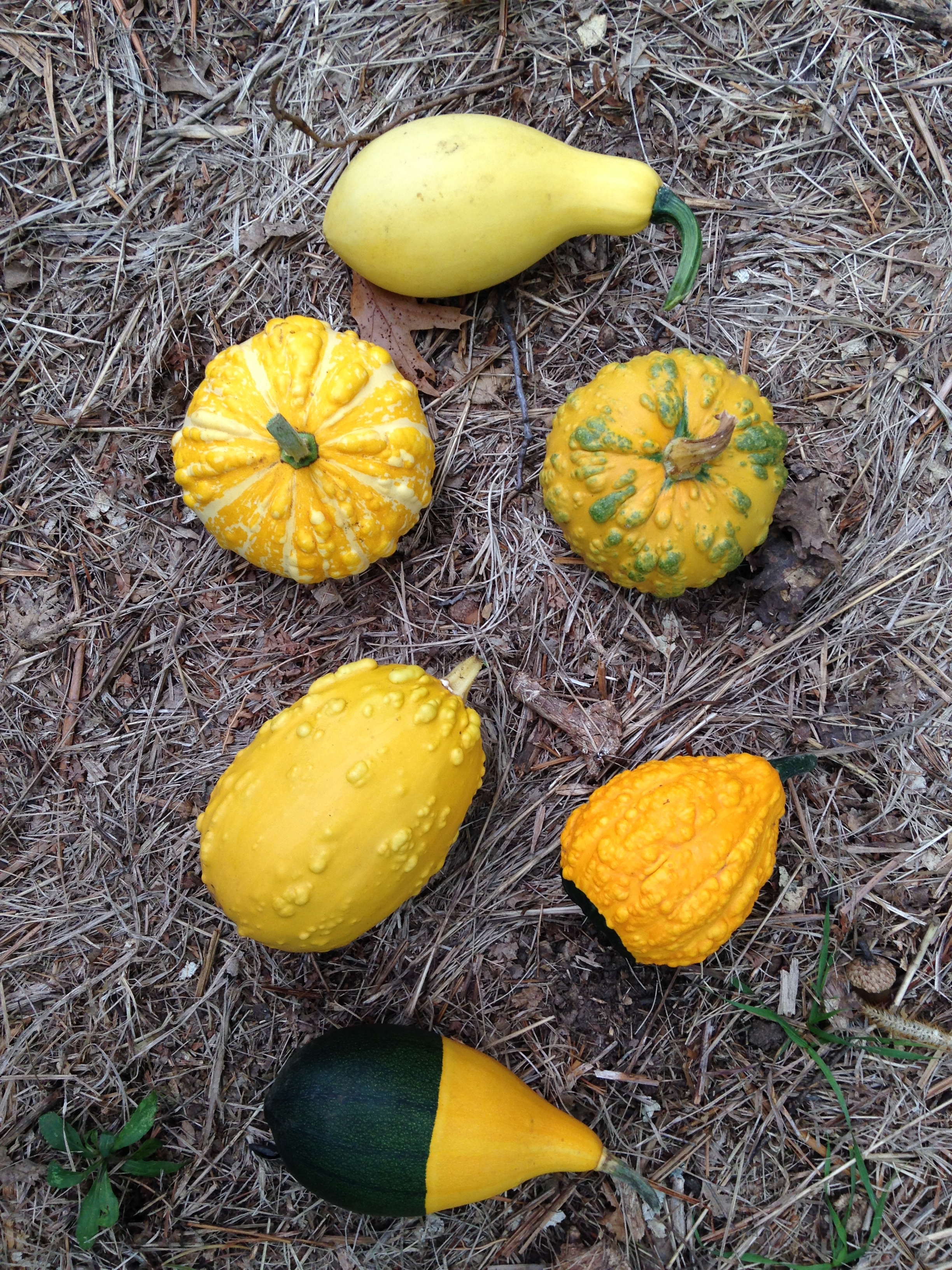
  • a Gourd – the Happy Meal Toy of the CSA!
IMG_0049
We are Gourd. (Resistance is futile.)


  • Tomatoes
  • Peppers
  • Parsley
  • Potatoes – mostly that pink variety that we don’t know what they’re called.


 the Weekly Critters

image
farm fauxbra


image
Tiny House Florian’s owner


imageimage image imageimage

 other pictures of the week

IMG_0038 IMG_0046

image image   imageimage

image